“Once upon a time, love was measured in patience. Today, it often feels measured in how quickly lust can be satisfied.”
The Ideal of Loyalty in the Past
In earlier times, loyalty between men and women was celebrated as a sacred bond. Women were praised for waiting faithfully when their husbands went to war, trusting they would return even after years apart. Men too were expected to honor their promises, protecting their homes and cherishing the women who stood by them.
- Historical example: During World War II, countless women across Europe and Asia endured years of silence and uncertainty, holding onto the hope that their soldiers would return. Their loyalty became legendary.
- Cultural example: In ancient epics like the Ramayana, Sita’s unwavering devotion to Rama symbolized purity and fidelity, while Rama’s sacrifices reflected the duty of a man to remain steadfast.
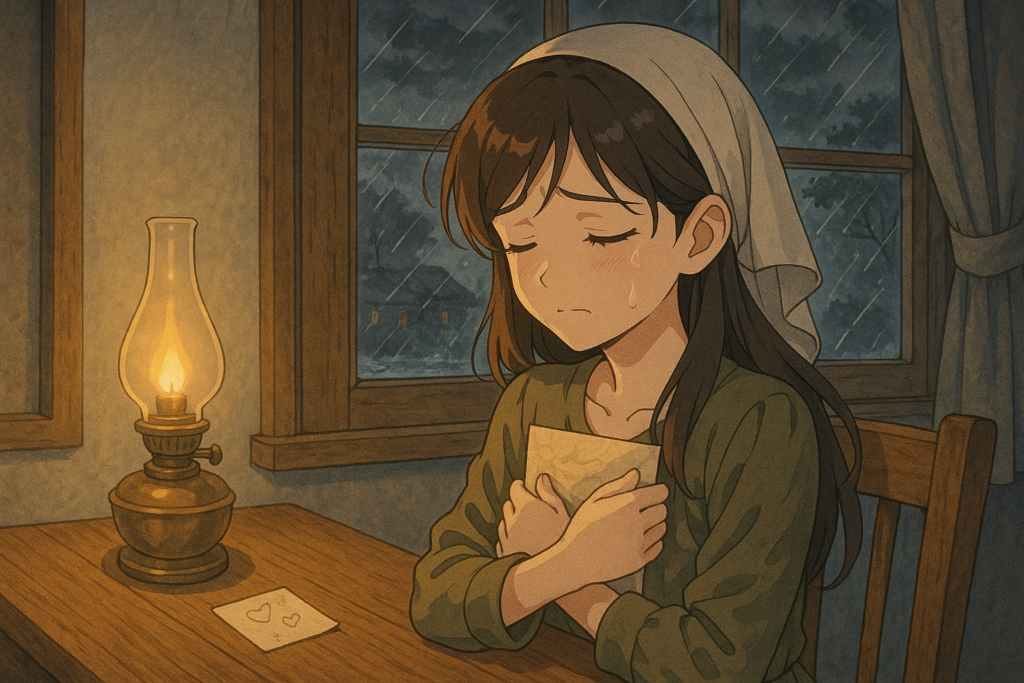
These stories taught generations that true love was not fragile but strong enough to withstand time, distance, and temptation.
The Rise of Lust in Modern Times
Today, the narrative feels reversed. Many relationships are less about endurance and more about immediacy. Lust, once considered a passing temptation, has now become a powerful force shaping how people connect.
- Temptation everywhere: Social media, dating apps, and endless online validation make it easy for men and women alike to chase attraction outside their commitments.
- Changing roles: Women no longer face the same cultural barriers of the past, and men feel fewer expectations to live up to the “protector” ideal. With fewer restrictions, opportunities for lust-driven choices multiply.
- Entertainment culture: Music, films, and advertisements often glorify instant passion over patience, making loyalty seem old-fashioned.

This shift fuels the perception that both men and women now run after lust wherever they find it, rather than staying grounded in devotion.
“Lust may burn brightly for a moment, but loyalty is the flame that survives the night.”
Does Loyalty Still Exist?
And yet, loyalty is not gone — it simply takes a different form. While many chase lust, countless others still build relationships rooted in trust, communication, and sacrifice.
- Modern example: Military families today still endure long separations with patience and faith.
- Everyday example: Ordinary couples continue to fight through financial stress, parenting struggles, and personal battles, proving loyalty is still alive.

The difference is that loyalty is no longer enforced by society; it must be chosen by individuals. That choice, though rare, is what makes it more meaningful.
Why It Matters
The debate between loyalty and lust is more than just a moral argument — it is about the kind of relationships we want to create. Lust satisfies quickly but fades. Loyalty demands patience but builds something unshakable.
Closing Reflection
The past may have demanded loyalty, sometimes at the cost of personal freedom. The present celebrates freedom, but often risks drowning in lust. Perhaps the true path forward is balance: to enjoy freedom while still choosing loyalty — not because tradition demands it, but because love is worth it.
💭 Do you think loyalty is dying — or simply changing shape? Share your thoughts in the comments.