Discover Online Trading with Exness
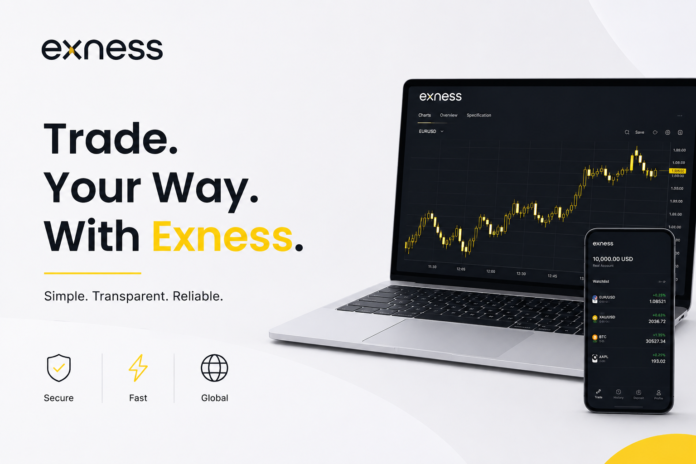
Online trading gives individuals access to global financial markets, including Forex, commodities, indices, cryptocurrencies, and stocks. Whether you’re new to trading or looking for a platform with a wide range of tools, Exness is one option to consider.
If you decide Exness is right for you, you can 👉 Open Your Exness Account.
Why Choose Exness?
Many traders choose Exness because it offers:
- Multiple account types for beginners and experienced traders
- Support for MetaTrader 4 (MT4) and MetaTrader 5 (MT5)
- Competitive trading conditions
- Various deposit and withdrawal methods (availability varies by country)
- Multi-language customer support
- Educational resources for new traders
- Modern trading tools and market analysis
Features and services may vary depending on your country and local regulations.
Countries Where Exness Is Currently Available
At the time of writing, Exness accepts registrations from many countries across the following regions.
Middle East
- Bahrain
- Jordan
- Kuwait
- Oman
- Qatar
- Saudi Arabia
- United Arab Emirates
Asia
- Bangladesh
- Bhutan
- Cambodia
- Indonesia
- Japan
- Laos
- Maldives
- Mongolia
- Nepal
- Pakistan
- Philippines
- Sri Lanka
- Taiwan
- Thailand
- Timor-Leste
- Vietnam
Africa
Including:
Algeria, Benin, Botswana, Burkina Faso, Burundi, Cameroon, Cape Verde, Djibouti, Egypt, Equatorial Guinea, Eritrea, Eswatini, Ethiopia, Gabon, Gambia, Ghana, Guinea, Guinea-Bissau, Ivory Coast, Kenya, Lesotho, Liberia, Madagascar, Malawi, Mauritania, Morocco, Mozambique, Namibia, Niger, Nigeria, Republic of the Congo, São Tomé and Príncipe, Senegal, Sierra Leone, South Africa, Tanzania, Togo, Tunisia, Uganda, Zambia, and Zimbabwe.
Latin America & Americas
- Argentina
- Bolivia
- Brazil
- Chile
- Colombia
- Costa Rica
- Dominican Republic
- Ecuador
- El Salvador
- Guatemala
- Guyana
- Honduras
- Jamaica
- Mexico
- Panama
- Paraguay
- Peru
- Suriname
- Trinidad and Tobago
- Venezuela
Europe
- Georgia
- Moldova
- Montenegro
- Serbia
- Ukraine
Note: Supported countries may change due to regulatory updates. Please verify your country’s availability during registration.
How to Open an Exness Account
Getting started is straightforward:
- 👉 Open Your Exness Account
- Select your country of residence.
- Create your trading account.
- Complete identity verification if required.
- Make your first deposit using an available payment method.
- Download MT4 or MT5 and begin exploring the markets.
Tips for Beginners
If you’re new to trading:
- Practice on a demo account first.
- Learn basic risk management.
- Never trade money you cannot afford to lose.
- Use stop-loss orders when appropriate.
- Continue learning before increasing your investment.
Trading success comes from discipline, education, and consistent decision-making—not guaranteed profits.
Frequently Asked Questions
Is Exness available in every country?
No. Availability depends on local financial regulations.
Can beginners use Exness?
Yes. Beginners can start with a demo account to learn without risking real money.
Which trading platforms does Exness support?
Exness supports MetaTrader 4 (MT4) and MetaTrader 5 (MT5), along with other supported trading solutions depending on your region.
Is identity verification required?
Yes. Verification requirements vary according to regulations and account status.
Ready to Get Started?
If you’ve researched the platform and understand the risks involved, you can begin your trading journey today.
Risk Disclaimer
Trading leveraged financial instruments involves significant risk and may not be suitable for all investors. You could lose some or all of your invested capital. Always understand the risks before trading and make decisions based on your own financial situation and objectives.