Home Blog Page 36

The Invisible Chemistry of Love: When Perfume Flirts Before You Do

0

โ€œBefore your eyes meet, your scent has already said hello.โ€

Have you ever wondered why some people just feel right the moment they walk by? No words. No introductions. Just one warm whiff โ€” and suddenly your brain is singing Bollywood background music.

Welcome to the sneaky, science-backed world of pheromones โ€” those invisible love messengers that make strangers click, couples cuddle, and perfumes act like secret agents of charm.


๐Ÿง  Meet the Secret Agents: Androstadienone & Estratetraenol

Letโ€™s introduce our two stars โ€” the Romeo and Juliet of your olfactory system.

๐Ÿง” Androstadienone: The “Musky Gentleman”

  • Smells like: Warm skin, fresh rain, and mystery.
  • Found in: Male sweat (yes, really) and luxury menโ€™s perfumes that cost as much as rent.
  • Superpower: Calms women, boosts focus, and creates that weird โ€œI feel safe with himโ€ vibe โ€” even if he just asked for the Wi-Fi password.

In short, Androstadienone is the scent equivalent of a deep voice saying, โ€œYouโ€™re safe here.โ€

๐Ÿ‘ฉโ€๐Ÿฆฐ Estratetraenol: The “Floral Whisper”

  • Smells like: Soft powder, blooming jasmine, and kindness wrapped in silk.
  • Found in: Female pheromone blends and romantic perfumes with names like โ€œEuphoriaโ€ and โ€œDreams.โ€
  • Superpower: Lightens male mood, boosts warmth, and triggers the ancient brain code for โ€œnurturing goddess energy.โ€

Basically, Estratetraenol is what happens when sunshine gets bottled โ€” a gentle signal that says, โ€œYou can relax now.โ€


๐Ÿ’ซ How They Work: Cupidโ€™s Wi-Fi

Hereโ€™s the plot twist โ€” pheromones donโ€™t talk to your logic.
They talk directly to your limbic system โ€” the emotional part of your brain that decides who you trust, who you desire, and who you want to share your fries with. ๐ŸŸ๐Ÿ’ž

So while your rational mind is asking, โ€œWhy do I like this person?โ€, your pheromones are already planning a second date.

Think of them as invisible Wi-Fi signals between two humans.
Strong connection? Instant click. Weak signal? Awkward silence.


๐Ÿ•ต๏ธโ€โ™€๏ธ Science, But Make It Sexy

Research shows:

  • Women exposed to Androstadienone reported higher comfort and focus.
  • Men exposed to Estratetraenol became more open, warm, and friendly.

Translation: You might not believe in love at first sight โ€”
but love at first sniff? Totally a thing.


๐Ÿงด Perfume: The Wingman You Didnโ€™t Know You Had

Modern perfumers secretly know this. Thatโ€™s why certain fragrances come pre-loaded with pheromone vibes:

๐Ÿง” For Men (Androstadienone-rich):

  • Dior Sauvage
  • Bleu de Chanel
  • Creed Aventus
  • Tom Ford Oud Wood

๐Ÿ‘ฉโ€๐Ÿฆฐ For Women (Estratetraenol-inspired):

  • YSL Black Opium
  • Chanel Coco Mademoiselle
  • Viktor & Rolf Flowerbomb
  • Lancรดme La Vie Est Belle

Spray it right, and your scent trail might just do more flirting than your dating app bio.


๐Ÿ˜‚ Funny Truth Bomb

Ever hugged someone and thought, โ€œWhy do they smell like home?โ€
Thatโ€™s not coincidence โ€” thatโ€™s chemistry with a side of confusion.

Meanwhile, your friend says, โ€œEh, smells like soap.โ€
Because โ€” plot twist โ€” pheromones donโ€™t work universally. Theyโ€™re biological matchmaking filters.
You literally sniff out your best genetic match.

So yes, your nose might reject your crush. Donโ€™t argue โ€” biology just swiped left.


๐Ÿ’ก Final Spritz of Wisdom

Next time youโ€™re picking perfume, donโ€™t just smell it.
Feel it.
Does it make you stand taller? Smile softer? Feel mysteriously magnetic?

Because when scent and soul align,
youโ€™re not just wearing perfume โ€”
youโ€™re wearing invisible poetry. ๐ŸŒธ


๐ŸŒŸ Important Takeaway

Love isnโ€™t only in the eyes โ€” itโ€™s in the air.
Your scent tells a story before your words do,
and sometimes, all it takes is one musky molecule or powdery puff
to make two hearts quietly agree: โ€œWe smell good together.โ€

Imagine Hating a Race Your Whole Lifeโ€ฆ Just for One to End Up Calling You Grandpa

0

โ€œLife got jokesโ€ฆ and sometimes, itโ€™s got family reunions you never signed up for.โ€

They say hate runs deep, but genes? Oh, they sprint faster.

Picture this: Youโ€™ve spent your entire life glaring at one race like it stole your Wi-Fi. Youโ€™ve written Facebook posts. Youโ€™ve argued in comment sections. Youโ€™ve even perfected that slow shake of disapproval when they show up on TV.

Then one dayโ€ฆ a small hand tugs your sleeve.

โ€œGrandpa?โ€

You look down. Big eyes. Tiny nose. Skin tone suspiciously… poetic. Thatโ€™s when the universe whispers, โ€œPlot twist.โ€


๐ŸŽฌ Scene 1: Karmaโ€™s DNA Test

You thought you were writing history. Turns out, history wrote you a baby.
Ancestry.com didnโ€™t just drag your family tree โ€” it spun it like a DJ at a multicultural wedding.

The universe saw your prejudice and said,

โ€œLetโ€™s remix that bloodline.โ€

Now every family gathering feels like a TED Talk in diversity.
Youโ€™re over there holding the baby, mumbling like,

โ€œI didnโ€™t mean that joke in โ€™94โ€ฆโ€


๐Ÿคฆโ€โ™‚๏ธ Scene 2: The Silent Roast at the Baby Shower

Your daughter walks in, beaming.
Her partner walks inโ€ฆ smiling.
Youโ€™re sweating.
The priest is smiling.
The baby? Already judging you with eyes like,

โ€œYou spent 60 years hating me, huh?โ€

Suddenly youโ€™re Googling โ€œHow to say sorry to DNA.โ€


๐Ÿ’ฅ Scene 3: The Rebrand

You used to say, โ€œIโ€™m not racist, butโ€”โ€
Now itโ€™s, โ€œIโ€™m not racist, Iโ€™m Grandpa.โ€

You start attending cultural festivals โ€œfor the baby.โ€
You own a cookbook you canโ€™t pronounce.
Youโ€™re dancing at weddings, clapping off-beat, trying your best.
Because hate ages you, but love? Love gives you a toddler who calls you โ€œG-dad.โ€


๐ŸŒ Moral of the Story

Lifeโ€™s funniest punchlines come wrapped in diapers.
You can hate a race all you want โ€”
but loveโ€ฆ loveโ€™s gonna drop a 22.2K baby in your lap and call it โ€œGrandchild of Destiny.โ€

So next time you feel superior, remember:

Your family treeโ€™s got Wi-Fi. Everybodyโ€™s connected.


๐Ÿ’ก Important Takeaway

Prejudice might feel powerful,
but genetics got a better sense of humor.
You canโ€™t outrun the remix โ€”
you are the remix.

The Complete Guide to AI: Types, Uses & Real-World Examples

0

โ€œArtificial Intelligence is not the future โ€” itโ€™s the foundation of todayโ€™s digital world.โ€

Artificial Intelligence (AI) is everywhere โ€” from the recommendations you get on Netflix to the autonomous vehicles driving through modern cities. But AI isnโ€™t just one thing โ€” itโ€™s an ecosystem of different types, each designed for specific tasks. Letโ€™s break down every major AI type and understand what itโ€™s used for.


๐Ÿค– 1. Machine Learning (ML)

Purpose: To help machines learn from data without explicit programming.

Usage:

  • Predicting stock prices or gold signals.
  • Spam detection in Gmail.
  • Product recommendations on Amazon.

Real-World Example: Netflix uses ML to recommend shows based on your watch history.


๐Ÿง  2. Deep Learning (DL)

Purpose: A subset of ML that mimics how the human brain processes information.

Usage:

  • Facial recognition on smartphones.
  • Voice assistants like Siri and Alexa.
  • Self-driving car vision systems.

Real-World Example: Teslaโ€™s Autopilot uses deep learning to identify lanes, cars, and pedestrians.


๐Ÿ’ฌ 3. Natural Language Processing (NLP)

Purpose: Enables computers to understand, interpret, and respond to human language.

Usage:

  • Chatbots and AI assistants.
  • Sentiment analysis (social media monitoring).
  • Real-time translation tools.

Real-World Example: ChatGPT and Google Translate.


๐Ÿ‘๏ธ 4. Computer Vision

Purpose: Teaches machines to โ€œseeโ€ and interpret visual data.

Usage:

  • Face unlock on phones.
  • Object detection in factories.
  • Medical imaging for cancer detection.

Real-World Example: Google Photos automatically categorizing your pictures by faces and scenes.


๐Ÿง  5. Expert Systems

Purpose: Mimic human experts to solve complex decision-making tasks.

Usage:

  • Medical diagnosis.
  • Credit risk assessment.
  • Technical troubleshooting.

Real-World Example: MYCIN, one of the earliest AI systems for diagnosing infections.


๐Ÿค 6. Reinforcement Learning (RL)

Purpose: AI learns through trial and error, optimizing actions over time.

Usage:

  • Robotics and game AI.
  • Stock trading bots.
  • Autonomous navigation.

Real-World Example: AlphaGo beating world champions in Go.


๐Ÿงญ 7. Predictive Analytics

Purpose: Uses data and AI to forecast future trends.

Usage:

  • Sales forecasting.
  • Risk management in finance.
  • Weather prediction.

Real-World Example: Amazon predicting inventory needs using predictive analytics.


๐Ÿงฉ 8. Generative AI

Purpose: Creates new content โ€” text, images, music, or videos.

Usage:

  • AI art and design.
  • Scriptwriting or code generation.
  • Deepfake video creation (ethical concerns apply).

Real-World Example: DALLยทE, Midjourney, and ChatGPT for text/image generation.


๐Ÿ•น๏ธ 9. Robotics

Purpose: Combines AI with physical systems for automation.

Usage:

  • Manufacturing robots in factories.
  • Delivery drones.
  • Robotic surgery.

Real-World Example: Boston Dynamicsโ€™ robots performing complex movements and tasks.


๐Ÿ’ก 10. Cognitive Computing

Purpose: Simulates human thought processes in a computerized model.

Usage:

  • Legal and healthcare research.
  • Decision support systems.
  • Personalized learning systems.

Real-World Example: IBM Watson analyzing massive medical datasets for diagnosis support.


๐Ÿงฌ 11. Evolutionary Algorithms

Purpose: Uses natural selection concepts to optimize solutions.

Usage:

  • Game strategy development.
  • Design optimization.
  • Complex scheduling.

Real-World Example: NASA uses evolutionary algorithms to design satellite antennas.


๐ŸŒ 12. AI in Different Industries

Industry AI Usage Healthcare Disease prediction, diagnostics, robotic surgery Finance Fraud detection, trading bots, risk analysis Retail Personalized marketing, inventory optimization Education Adaptive learning platforms, AI tutors Transportation Route optimization, autonomous vehicles Agriculture Crop monitoring, predictive weather systems


๐Ÿ” 13. Emerging AI Technologies

  • Edge AI: Runs AI on local devices (IoT, smartphones).
  • TinyML: Machine learning on microcontrollers.
  • Neural Symbolic AI: Combines logic and learning.
  • Quantum AI: Uses quantum computing for exponential processing.

๐ŸŒŸ Why It Matters

Understanding AI is no longer optional โ€” itโ€™s essential. Whether youโ€™re a student, entrepreneur, or investor, knowing how AI shapes industries gives you a competitive edge in the 2025 economy.

โ€œThe future belongs to those who harness intelligence โ€” artificial and human alike.โ€

Top 15 German Phrases Every Tourist Should Know in Germany

0

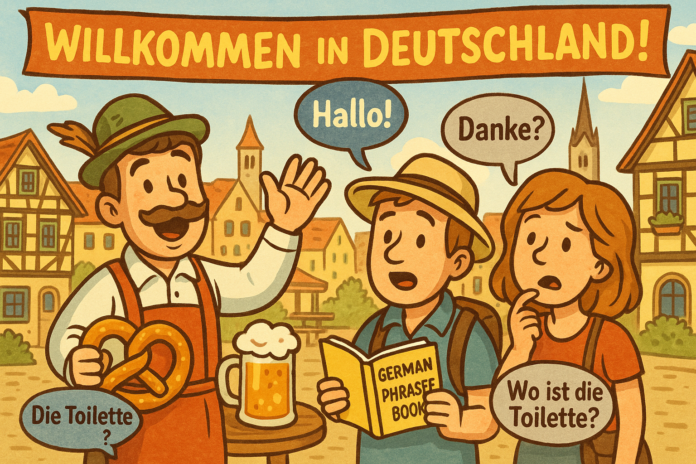
โ€œHallo!โ€ โ€” Hello ๐Ÿ‘‹
Planning a trip to Germany? Whether youโ€™re walking through Berlinโ€™s history, tasting beer in Munich, or exploring castles along the Rhine River, learning a few basic German phrases can make your experience smoother โ€” and much friendlier.

Germans appreciate effort and politeness. Even a simple Danke schรถn can open hearts, earn smiles, or get you that extra pastry in a cafรฉ ๐Ÿฅจโ˜•

Here are 15 must-know German phrases to help you greet, thank, order, and navigate like a local ๐Ÿ‡ฉ๐Ÿ‡ช


๐Ÿ‘‹ 1. Hallo! (Hello!)

Meaning: Friendly, casual greeting.
๐Ÿ—ฃ Example:
Tourist: Hallo!
Local: Hallo! Wie gehtโ€™s? (Hello! Howโ€™s it going?)

๐Ÿ’ก Use Guten Morgen (Good morning) or Guten Tag (Good day) for polite settings.


๐ŸŒ… 2. Guten Morgen / Guten Tag / Guten Abend โ€” โ€œGood morning / day / eveningโ€

๐Ÿ—ฃ Examples:

  • Guten Morgen! (Good morning!)
  • Guten Tag! (Good day!)
  • Guten Abend! (Good evening!)

๐Ÿ’ก Polite and respectful โ€” great for shops, hotels, or restaurants.


๐Ÿ˜Š 3. Wie gehtโ€™s? (How are you?)

๐Ÿ—ฃ Example:
Local: Wie gehtโ€™s?
Tourist: Gut, danke! (Good, thanks!)

๐Ÿ’ก More formal: Wie geht es Ihnen?


๐Ÿ™ 4. Danke / Danke schรถn / Vielen Dank (Thank you / Thank you very much)

๐Ÿ—ฃ Example:
Waiter: Ihr Kaffee! (Your coffee!)
Tourist: Danke schรถn!
Waiter: Bitte schรถn! (Youโ€™re very welcome!)


๐Ÿ’ฌ 5. Bitte / Bitte schรถn (Please / Youโ€™re welcome)

๐Ÿ—ฃ Example:
Tourist: Ein Bier, bitte! (One beer, please!)
Waiter: Bitte schรถn! (Here you go!)

๐Ÿ’ก Bitte = please / youโ€™re welcome / here you go โ€” super versatile!


๐Ÿฝ 6. Ein Bier, bitte! (One beer, please!) ๐Ÿบ

๐Ÿ—ฃ Example:
Tourist: Ein Bier, bitte!
Waiter: Kommt sofort! (Right away!)

๐Ÿ’ก Swap Bier for anything: Ein Wasser, bitte (One water, please).


๐Ÿ’ถ 7. Wie viel kostet das? (How much does it cost?)

๐Ÿ—ฃ Example:
Tourist: Wie viel kostet das? (How much is this?)
Vendor: Fรผnf Euro, bitte. (Five euros, please.)


๐Ÿ“ 8. Wo istโ€ฆ? (Where isโ€ฆ?)

๐Ÿ—ฃ Example:
Tourist: Wo ist die Toilette? (Where is the toilet?)
Local: Da drรผben! (Over there!)

๐Ÿ’ก Useful words:

  • Bahnhof โ€” train station ๐Ÿš‰
  • Toilette โ€” toilet ๐Ÿšป
  • Hotel โ€” hotel ๐Ÿจ

๐Ÿš‡ 9. Die Toilette / Der Bahnhof / Das Hotel โ€” โ€œThe toilet / station / hotelโ€

๐Ÿ—ฃ Example:
Tourist: Wo ist der Bahnhof? (Where is the train station?)
Local: Geradeaus! (Straight ahead!)


๐Ÿงพ 10. Die Rechnung, bitte (The bill, please)

๐Ÿ—ฃ Example:
Tourist: Die Rechnung, bitte!
Waiter: Kommt gleich! (Coming right up!)


โ˜• 11. Kaffee / Wasser / Brรถtchen โ€” โ€œCoffee / Water / Bread rollโ€

๐Ÿ—ฃ Example:
Tourist: Ein Kaffee und ein Brรถtchen, bitte. (One coffee and one roll, please.)

๐Ÿ’ก Kaffee (coffee), Wasser (water), Brot (bread).


๐Ÿ˜… 12. Ich verstehe nicht (I donโ€™t understand)

๐Ÿ—ฃ Example:
Local: Mรถchten Sie bar oder Karte zahlen? (Cash or card?)
Tourist: Ich verstehe nicht. (I donโ€™t understand.)

๐Ÿ’ก Add a smile โ€” Germans appreciate honesty! ๐Ÿ™‚


๐Ÿ—ฃ 13. Sprechen Sie Englisch? (Do you speak English?)

๐Ÿ—ฃ Example:
Tourist: Sprechen Sie Englisch?
Local: Ein bisschen. (A little.)

๐Ÿ’ก Ein bisschen = โ€œa bitโ€


๐Ÿšถ 14. Entschuldigung / Es tut mir leid (Excuse me / Iโ€™m sorry)

๐Ÿ—ฃ Example 1: Entschuldigung! (Excuse me!)
๐Ÿ—ฃ Example 2: Es tut mir leid! (Iโ€™m sorry!)

๐Ÿ’ก Entschuldigung also works to get attention.


๐Ÿ‘‹ 15. Tschรผss / Auf Wiedersehen (Bye / Goodbye)

๐Ÿ—ฃ Example:
Tourist: Tschรผss!
Local: Auf Wiedersehen! (Goodbye!)

๐Ÿ’ก Tschรผss is casual, Auf Wiedersehen is formal.


๐Ÿงญ Quick Cultural Tips

๐Ÿ‡ฉ๐Ÿ‡ช Be punctual โ€” Germans value time โฐ
๐Ÿฝ Wait to be seated in restaurants
๐Ÿ’ณ Cash is still king in small shops
๐Ÿ™‡ Politeness matters โ€” use Bitte and Danke schรถn often
๐Ÿšซ Donโ€™t jaywalk โ€” seriously, wait for green! ๐Ÿšฆ


๐ŸŒ Why These German Phrases Matter

โœ… Show respect and friendliness
โœ… Navigate confidently
โœ… Order food and drinks easily
โœ… Get help when lost
โœ… Make locals smile ๐Ÿ™‚

Even one Danke schรถn can turn a short exchange into a moment of connection โค๏ธ


โš ๏ธ Disclaimer

These phrases are shared for educational and cultural purposes.
German may vary slightly across regions โ€” use them kindly and clearly.

Top 15 Japanese Phrases Every Tourist Should Know in Japan

0

โ€œKonnichiwa!โ€ โ€” Hello ๐Ÿ‘‹
If youโ€™re visiting Japan, a few polite Japanese words can transform your experience. From Tokyoโ€™s neon streets to Kyotoโ€™s tranquil temples and Osakaโ€™s ramen stalls, locals deeply appreciate when visitors make an effort to speak their language.

Japanese is built on respect and kindness โ€” even a small Arigatou gozaimasu can earn you a warm smile, better service, or even a friendly bow.

Here are 15 essential Japanese phrases every traveler should learn before exploring Nihon (Japan) ๐Ÿ‡ฏ๐Ÿ‡ต.


๐Ÿ‘‹ 1. Konnichiwa (ใ“ใ‚“ใซใกใฏ) โ€” โ€œHello / Good afternoonโ€

Meaning: Friendly greeting used most of the day.
๐Ÿ—ฃ Example:
Tourist: Konnichiwa!
Local: Konnichiwa! Ogenki desu ka? (Hello! How are you?)

๐Ÿ’ก In the morning, say Ohayou gozaimasu (Good morning).


๐ŸŒ… 2. Ohayou gozaimasu (ใŠใฏใ‚ˆใ†ใ”ใ–ใ„ใพใ™) โ€” โ€œGood morningโ€

๐Ÿ—ฃ Example:
Tourist: Ohayou gozaimasu!
Local: Ohayou! (Morning!)

๐Ÿ’ก Use the shorter Ohayou! with friends.


๐ŸŒ™ 3. Konbanwa (ใ“ใ‚“ใฐใ‚“ใฏ) โ€” โ€œGood eveningโ€

๐Ÿ—ฃ Example:
Tourist: Konbanwa!
Local: Konbanwa!


๐Ÿ™ 4. Arigatou / Arigatou gozaimasu (ใ‚ใ‚ŠใŒใจใ† / ใ‚ใ‚ŠใŒใจใ†ใ”ใ–ใ„ใพใ™) โ€” โ€œThank you / Thank you very muchโ€

๐Ÿ—ฃ Example:
Waiter: Ramen desu! (Hereโ€™s your ramen!)
Tourist: Arigatou gozaimasu!
Waiter: Dou itashimashite (Youโ€™re welcome)

๐Ÿ’ก Use Arigatou casually, Arigatou gozaimasu politely.


๐Ÿ’ฌ 5. Dou itashimashite (ใฉใ†ใ„ใŸใ—ใพใ—ใฆ) โ€” โ€œYouโ€™re welcomeโ€

๐Ÿ—ฃ Example:
Tourist: Arigatou!
Local: Dou itashimashite!


โ˜• 6. Onegaishimasu (ใŠ้ก˜ใ„ใ—ใพใ™) โ€” โ€œPleaseโ€

๐Ÿ—ฃ Example:
Tourist: Kohi onegaishimasu (Coffee, please)
๐Ÿ’ก Use it when requesting politely in shops or restaurants.


๐Ÿ’ด 7. Ikura desu ka? (ใ„ใใ‚‰ใงใ™ใ‹๏ผŸ) โ€” โ€œHow much is it?โ€

๐Ÿ—ฃ Example:
Tourist: Kore wa ikura desu ka? (How much is this?)
Vendor: Sen en desu (Itโ€™s 1,000 yen)


๐Ÿ“ 8. Doko desu ka? (ใฉใ“ใงใ™ใ‹๏ผŸ) โ€” โ€œWhere is it?โ€

๐Ÿ—ฃ Example:
Tourist: Toire wa doko desu ka? (Where is the toilet?)
Local: Asoko! (Over there!)

๐Ÿ’ก Add the noun before doko desu ka?

  • Eki wa doko desu ka? (Where is the station?)
  • Konbini wa doko desu ka? (Where is the convenience store?)

๐Ÿš‡ 9. Eki / Toire / Konbini (้ง… / ใƒˆใ‚คใƒฌ / ใ‚ณใƒณใƒ“ใƒ‹) โ€” โ€œStation / Toilet / Convenience Storeโ€

๐Ÿ—ฃ Example:
Tourist: Eki wa doko desu ka?
Local: Sugu soko! (Right there!)


๐Ÿงพ 10. Okanjou onegaishimasu (ใŠๅ‹˜ๅฎšใŠ้ก˜ใ„ใ—ใพใ™) โ€” โ€œThe bill, pleaseโ€

๐Ÿ—ฃ Example:
Tourist: Okanjou onegaishimasu.
Waiter: Hai! (Yes!)

๐Ÿ’ก In casual cafรฉs, you might just say Check, onegaishimasu.


๐Ÿฃ 11. Oishii! (ใŠใ„ใ—ใ„๏ผ) โ€” โ€œDelicious!โ€

๐Ÿ—ฃ Example:
Tourist: Oishii sushi!
Local: Arigatou!

๐Ÿ’ก Use it generously โ€” Japanese chefs love hearing it! ๐Ÿฑ


๐Ÿ˜… 12. Wakarimasen (ใ‚ใ‹ใ‚Šใพใ›ใ‚“) โ€” โ€œI donโ€™t understandโ€

๐Ÿ—ฃ Example:
Local: Nihongo dekimasu ka? (Do you speak Japanese?)
Tourist: Wakarimasen!

๐Ÿ’ก Say it with a smile โ€” theyโ€™ll often switch to English.


๐Ÿ—ฃ 13. Eigo o hanasemasu ka? (่‹ฑ่ชžใ‚’่ฉฑใ›ใพใ™ใ‹๏ผŸ) โ€” โ€œDo you speak English?โ€

๐Ÿ—ฃ Example:
Tourist: Eigo o hanasemasu ka?
Local: Sukoshi (A little)


๐Ÿšถ 14. Sumimasen (ใ™ใฟใพใ›ใ‚“) โ€” โ€œExcuse me / Sorryโ€

๐Ÿ—ฃ Example 1: Sumimasen! (Excuse me!)
๐Ÿ—ฃ Example 2: Sumimasen! (Sorry!)

๐Ÿ’ก Itโ€™s the ultimate polite word โ€” for bumping into someone, getting attention, or thanking extra kindly.


๐Ÿ‘‹ 15. Sayonara / Mata ne (ใ•ใ‚ˆใ†ใชใ‚‰ / ใพใŸใญ) โ€” โ€œGoodbye / See you laterโ€

๐Ÿ—ฃ Example:
Tourist: Sayonara!
Local: Mata ne! (See you!)


๐Ÿงญ Quick Cultural Tips

๐ŸŒธ Bow slightly when greeting or thanking.
๐Ÿฑ Never tip โ€” politeness is part of service.
๐Ÿš‰ Queue neatly โ€” order is valued.
๐Ÿ•Š Silence on trains โ€” keep phone on silent (manner mode).
๐ŸŽŽ Respect shoes-off rule โ€” especially in homes and temples.


๐ŸŒ Why These Japanese Phrases Matter

โœ… Build instant trust and respect
โœ… Navigate easily in stations, shops, and restaurants
โœ… Show appreciation for Japanโ€™s culture
โœ… Turn confusion into connection

Even a simple Konnichiwa or Arigatou can turn a polite nod into a friendly bow ๐Ÿ™‡โ€โ™‚๏ธ


โš ๏ธ Disclaimer

These phrases are for educational and cultural purposes.
Japanese varies by region โ€” use them politely with a smile.

Top 15 Italian Phrases Every Tourist Should Know in Italy

0

โ€œCiao!โ€ โ€” Hello ๐Ÿ‘‹
If youโ€™re planning a trip to Italy, a few simple Italian words and phrases can open many doors โ€” from cozy cafรฉs in Rome, to gondola rides in Venice, and trattorias in Florence.

Italians appreciate when visitors try their language. Even a cheerful Grazie! will earn you a smile โ€” and maybe an extra biscotti ๐Ÿช

Below are 15 essential Italian phrases to help you greet, order, thank, and laugh your way across Italy ๐Ÿ‡ฎ๐Ÿ‡น


๐Ÿ‘‹ 1. Ciao (Hello / Hi / Bye)

Meaning: A friendly and casual greeting used all day.
๐Ÿ—ฃ Example:
Tourist: Ciao!
Local: Ciao! Come stai? (Hi! How are you?)

๐Ÿ’ก For formal settings, use Buongiorno or Buonasera


๐ŸŒ… 2. Buongiorno / Buonasera / Buonanotte โ€” โ€œGood morning / evening / nightโ€

๐Ÿ—ฃ Examples:

  • Buongiorno! (Good morning)
  • Buonasera! (Good evening)
  • Buonanotte! (Good night)

๐Ÿ˜Š 3. Come stai? / Come va? โ€” โ€œHow are you?โ€

๐Ÿ—ฃ Example:
Local: Come stai?
Tourist: Bene, grazie! (Good, thank you!)

๐Ÿ’ก For formal tone: Come sta?


๐Ÿ™ 4. Grazie (Thank you)

๐Ÿ—ฃ Example:
Waiter: Il tuo caffรจ, signore.
Tourist: Grazie!
Waiter: Prego (Youโ€™re welcome)


๐Ÿ’ฌ 5. Prego (Youโ€™re welcome / Please / Go ahead)

๐Ÿ—ฃ Example:
Tourist: Grazie!
Local: Prego!

๐Ÿ’ก Can also mean โ€œpleaseโ€ in context: Prego, dopo di lei (Please, after you)


โ˜• 6. Per favore (Please)

๐Ÿ—ฃ Example: Un cappuccino, per favore. (A cappuccino, please.)

๐Ÿ’ก Italians love politeness โ€” always add per favore!


๐Ÿ’ถ 7. Quanto costa? (How much does it cost?)

๐Ÿ—ฃ Example:
Tourist: Quanto costa questa pizza? (How much is this pizza?)
Vendor: Cinque euro (Five euros)


๐Ÿ“ 8. Dovโ€™รจ…? (Where isโ€ฆ?)

๐Ÿ—ฃ Example:
Tourist: Dovโ€™รจ il bagno? (Where is the bathroom?)
Local: Lรฌ, a destra! (There, to the right!)


๐Ÿš‡ 9. Il bagno / La stazione / Il museo โ€” โ€œBathroom / Station / Museumโ€

๐Ÿ—ฃ Example:
Dovโ€™รจ la stazione? (Where is the station?)


๐Ÿ• 10. Il conto, per favore (The bill, please)

๐Ÿ—ฃ Example:
Tourist: Il conto, per favore.
Waiter: Subito! (Right away!)


๐Ÿท 11. Un caffรจ / Una birra / Un bicchiere di vino โ€” โ€œA coffee / A beer / A glass of wineโ€

๐Ÿ—ฃ Example:
Tourist: Un bicchiere di vino, per favore! ๐Ÿท

๐Ÿ’ก Never say โ€œespressoโ€ in Italy โ€” just un caffรจ โ˜•


๐Ÿ˜… 12. Non capisco (I donโ€™t understand)

๐Ÿ—ฃ Example:
Local: Preferisci rosso o bianco?
Tourist: Mi dispiace, non capisco! (Sorry, I donโ€™t understand!)


๐Ÿ—ฃ 13. Parli inglese? (Do you speak English?)

๐Ÿ—ฃ Example:
Tourist: Parli inglese?
Local: Un poโ€™ (A little)

๐Ÿ’ก For formal tone: Parla inglese?


๐Ÿšถ 14. Scusi / Mi scusi (Excuse me / Sorry)

๐Ÿ—ฃ Example:
Tourist (in a crowd): Scusi!
Local: Nessun problema! (No problem!)


๐Ÿ‘‹ 15. Arrivederci / A presto / Ciao ciao โ€” โ€œGoodbye / See you soon / Bye-byeโ€

๐Ÿ—ฃ Example:
Tourist: Arrivederci!
Local: A presto!


๐Ÿงญ Quick Cultural Tips

๐ŸŒŸ Smile & gesture! Italians speak with expression โ€” body language helps.
๐ŸŒŸ Cappuccino is for mornings only โ˜•
๐ŸŒŸ Say โ€œCiaoโ€ casually, but use Buongiorno in shops or formal places.
๐ŸŒŸ Never rush meals โ€” enjoy the moment ๐Ÿ


๐ŸŒ Why These Italian Phrases Matter

โœ… Connect instantly with locals
โœ… Order food confidently
โœ… Show cultural respect
โœ… Enjoy more authentic experiences

Even a small Ciao or Grazie turns a simple moment into la dolce vita โค๏ธ


โš ๏ธ Disclaimer

These phrases are shared for educational and cultural purposes.
Pronunciations may vary by region โ€” use with a smile and curiosity.

Top 15 Spanish Phrases Every Tourist Should Know in Spain

0

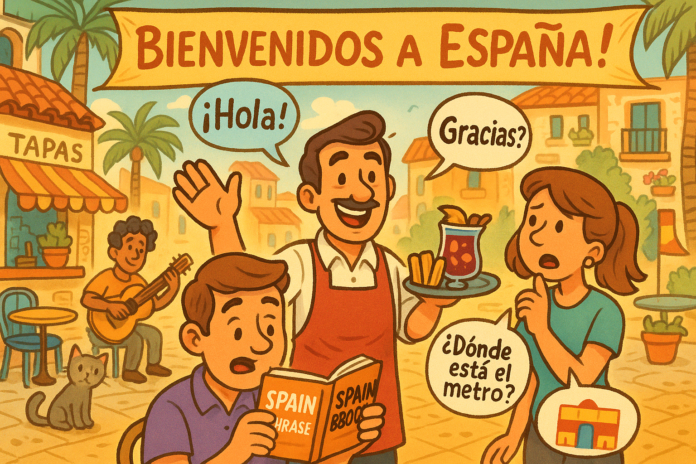
โ€œยกHola!โ€ โ€” Hello ๐Ÿ‘‹
Planning a trip to Spain? Whether youโ€™re strolling through Barcelona, exploring Madridโ€™s royal palaces, or relaxing on the beaches of Valencia, learning a few basic Spanish phrases will make your experience richer and friendlier.

Locals appreciate visitors who try to speak their language โ€” even a simple โ€œGraciasโ€ can turn a quick chat into a warm connection.

Here are 15 essential Spanish words and expressions to help you greet, order, thank, and laugh your way across Spain ๐Ÿ‡ช๐Ÿ‡ธ.


๐Ÿ‘‹ 1. Hola (Hello)

Meaning: A friendly hello.
When to use: Anytime you meet someone โ€” morning, noon, or night.

๐Ÿ—ฃ Example:
Tourist: Hola!
Local: Hola, ยฟquรฉ tal? (Hello, how are you?)


โ˜€๏ธ 2. Buenos dรญas / Buenas tardes / Buenas noches โ€” โ€œGood morning / afternoon / nightโ€

Use depending on time:

  • Morning: Buenos dรญas
  • Afternoon: Buenas tardes
  • Night: Buenas noches

๐Ÿ—ฃ Example: Buenas tardes, seรฑor. ยฟCรณmo estรก? (Good afternoon, sir. How are you?)


๐Ÿ˜Š 3. ยฟQuรฉ tal? / ยฟCรณmo estรกs? โ€” โ€œHow are you?โ€

๐Ÿ—ฃ Example:
Local: ยฟQuรฉ tal?
Tourist: Muy bien, gracias! (Very good, thank you!)


๐Ÿ™ 4. Gracias (Thank you)

๐Ÿ—ฃ Example:
Waiter: Su cafรฉ, por favor.
Tourist: Gracias!
Waiter: De nada (Youโ€™re welcome)


๐Ÿ’ฌ 5. De nada (Youโ€™re welcome)

๐Ÿ—ฃ Example:
Tourist: Gracias!
Local: De nada!


โ˜• 6. Por favor (Please)

๐Ÿ—ฃ Example: Un cafรฉ, por favor. (One coffee, please.)

๐Ÿ’ก Use โ€œpor favorโ€ for polite requests โ€” Spaniards appreciate manners!


๐Ÿ’ถ 7. ยฟCuรกnto cuesta? (How much does it cost?)

๐Ÿ—ฃ Example:
Tourist: ยฟCuรกnto cuesta esto? (How much is this?)
Vendor: Cinco euros (Five euros)


๐Ÿ“ 8. ยฟDรณnde estรกโ€ฆ? (Where isโ€ฆ?)

๐Ÿ—ฃ Example:
Tourist: ยฟDรณnde estรก el metro? (Where is the metro?)
Local: Allรญ, a la derecha (There, to the right)


๐Ÿš‡ 9. El metro / El tren / El autobรบs โ€” โ€œThe metro / The train / The busโ€

๐Ÿ—ฃ Example:
Tourist: ยฟDรณnde estรก el metro?
Local: Cerca del hotel (Near the hotel)


๐Ÿงพ 10. La cuenta, por favor (The bill, please)

๐Ÿ—ฃ Example:
Tourist: La cuenta, por favor.
Waiter: Sรญ, un momento. (Yes, one moment)


๐Ÿฝ 11. Un cafรฉ / Una cerveza / Una copa de vino โ€” โ€œA coffee / A beer / A glass of wineโ€

๐Ÿ—ฃ Example:
Tourist: Una cerveza, por favor! ๐Ÿบ

๐Ÿ’ก Add por favor at the end for politeness.


๐Ÿ˜… 12. No entiendo (I donโ€™t understand)

๐Ÿ—ฃ Example:
Local: ยฟQuieres un billete sencillo o doble?
Tourist: Lo siento, no entiendo (Sorry, I donโ€™t understand)


๐Ÿ—ฃ 13. ยฟHablas inglรฉs? (Do you speak English?)

๐Ÿ—ฃ Example:
Tourist: ยฟHablas inglรฉs?
Local: Un poco (A little)

๐Ÿ’ก For formal tone: ยฟHabla inglรฉs?


๐Ÿšถ 14. Perdรณn / Disculpe (Excuse me / Sorry)

๐Ÿ—ฃ Example:
Tourist (in crowd): Perdรณn!
Local: No pasa nada (Itโ€™s okay)


๐Ÿ‘‹ 15. Adiรณs / Hasta luego / Nos vemos โ€” โ€œGoodbye / See you later / See youโ€

๐Ÿ—ฃ Example:
Tourist: Adiรณs!
Local: ยกHasta luego!


๐Ÿงญ Quick Cultural Tips

๐ŸŒŸ Spaniards appreciate politeness โ€” always say por favor and gracias.
๐ŸŒŸ Use a friendly tone โ€” Spain is relaxed and social.
๐ŸŒŸ Smile and make eye contact โ€” warmth matters more than perfect grammar.
๐ŸŒŸ In tapas bars, order small plates and enjoy slowly โ€” itโ€™s about experience, not rush.


๐ŸŒ Why These Spanish Phrases Matter

โœ… Connect easily with locals
โœ… Avoid confusion in restaurants and shops
โœ… Show respect for the culture
โœ… Enjoy authentic Spanish charm

Even a simple Hola opens doors โ€” and hearts โค๏ธ


โš ๏ธ Disclaimer

These phrases are shared for educational and cultural purposes.
Spanish may vary slightly by region. Use them with kindness and confidence.

Top 15 Russian Phrases Every Tourist Should Know Before Visiting Russia

0

โ€œPrivet!โ€ โ€” Hello ๐Ÿ‘‹
If youโ€™re planning a trip to Russia, learning a few basic Russian phrases can completely change your travel experience. Locals appreciate when visitors try to speak their language โ€” it shows respect and curiosity for Russian culture and hospitality.

Whether youโ€™re taking the metro in Moscow, visiting palaces in St. Petersburg, or skiing in Sochi, these common Russian words will help you greet, thank, order food, and find your way like a local.


๐Ÿ‘‹ 1. Privet (ะŸั€ะธะฒะตั‚) โ€” โ€œHi / Helloโ€

Meaning: Friendly greeting (informal).
When to use: With people you meet casually โ€” in cafes, shops, or hostels.

๐Ÿ—ฃ Example:
Tourist: Privet!
Local: Privet! Kak dela? (Hi! How are you?)

๐Ÿ’ก For formal greetings, use Zdravstvuyte (ะ—ะดั€ะฐะฒัั‚ะฒัƒะนั‚ะต)


๐Ÿค 2. Zdravstvuyte (ะ—ะดั€ะฐะฒัั‚ะฒัƒะนั‚ะต) โ€” โ€œHello (formal)โ€

Meaning: Respectful greeting for older people or strangers.
๐Ÿ—ฃ Example:
Tourist: Zdravstvuyte!
Local: Dobry denโ€™! (Good day!)


๐Ÿ™ 3. Spasibo (ะกะฟะฐัะธะฑะพ) โ€” โ€œThank youโ€

Meaning: The most useful Russian word!
๐Ÿ—ฃ Example:
Waiter: Your coffee!
Tourist: Spasibo!
Waiter: Pozhaluysta (Youโ€™re welcome)


๐ŸŒธ 4. Pozhaluysta (ะŸะพะถะฐะปัƒะนัั‚ะฐ) โ€” โ€œYouโ€™re welcome / Pleaseโ€

Meaning: Versatile word used in many contexts.
๐Ÿ—ฃ Example 1: Kofe, pozhaluysta (Coffee, please)
๐Ÿ—ฃ Example 2: Spasibo! โ€“ Pozhaluysta! (Thank you โ€“ Youโ€™re welcome)


๐Ÿ™‚ 5. Kak dela? (ะšะฐะบ ะดะตะปะฐ?) โ€” โ€œHow are you?โ€

Meaning: Friendly way to start a conversation.
๐Ÿ—ฃ Example:
Local: Kak dela?
Tourist: Khorosho, spasibo! (Iโ€™m good, thank you!)


๐Ÿ˜„ 6. Khorosho (ะฅะพั€ะพัˆะพ) โ€” โ€œGood / Fineโ€

๐Ÿ—ฃ Example:
Tourist: Kak dela?
Local: Khorosho!


โ„๏ธ 7. Da / Nyet (ะ”ะฐ / ะะตั‚) โ€” โ€œYes / Noโ€

๐Ÿ—ฃ Example:
Vendor: Want souvenir?
Tourist: Da, skolโ€™ko stoit? (Yes, how much?)
Or
Tourist: Nyet, spasibo! (No, thank you!)


๐Ÿ›’ 8. Skolโ€™ko stoit? (ะกะบะพะปัŒะบะพ ัั‚ะพะธั‚?) โ€” โ€œHow much does it cost?โ€

Meaning: Use it when shopping or haggling.
๐Ÿ—ฃ Example:
Tourist: Skolโ€™ko stoit eto? (How much is this?)
Vendor: 500 rublei


๐Ÿš‡ 9. Gde? (ะ“ะดะต?) โ€” โ€œWhere?โ€

Meaning: Ask for directions.
๐Ÿ—ฃ Example:
Tourist: Gde metro? (Where is the metro?)
Local: Tut! (Here!)


๐Ÿš• 10. Taxi / Metro / Vokzal (ะขะฐะบัะธ / ะœะตั‚ั€ะพ / ะ’ะพะบะทะฐะป)

Meaning: Taxi / Metro / Train Station
๐Ÿ—ฃ Example:
Gde metro? โ€“ Where is the metro?
Vokzal daleko? โ€“ Is the train station far?


๐Ÿฝ 11. Menu, pozhaluysta (ะœะตะฝัŽ, ะฟะพะถะฐะปัƒะนัั‚ะฐ) โ€” โ€œMenu, pleaseโ€

๐Ÿ—ฃ Example:
Tourist: Menu, pozhaluysta!
Waiter: Da, odnu minutu! (Yes, one moment!)


๐Ÿท 12. Odin / Dva (ะžะดะธะฝ / ะ”ะฒะฐ) โ€” โ€œOne / Twoโ€

๐Ÿ—ฃ Example:
Odin kofe, pozhaluysta (One coffee, please)
Dva bilet, pozhaluysta (Two tickets, please)


๐Ÿ’ฌ 13. Ya ne ponimayu (ะฏ ะฝะต ะฟะพะฝะธะผะฐัŽ) โ€” โ€œI donโ€™t understandโ€

๐Ÿ—ฃ Example:
Local: Skolโ€™ko vam let?
Tourist: Ya ne ponimayu (I donโ€™t understand)

๐Ÿ’ก Use with a smile โ€” locals will often switch to English.


๐ŸŒ 14. Vy govorite po-angliyski? (ะ’ั‹ ะณะพะฒะพั€ะธั‚ะต ะฟะพ-ะฐะฝะณะปะธะนัะบะธ?) โ€” โ€œDo you speak English?โ€

๐Ÿ—ฃ Example:
Tourist: Vy govorite po-angliyski?
Local: Nemnogo (A little)


๐Ÿšถ 15. Do svidaniya (ะ”ะพ ัะฒะธะดะฐะฝะธั) โ€” โ€œGoodbyeโ€

๐Ÿ—ฃ Example:
Tourist: Do svidaniya!
Local: Udachi! (Good luck!)


๐Ÿงญ Quick Cultural Tips for Tourists

๐ŸŒŸ Smile gently โ€” Russians may seem serious but are warm once you connect.
๐ŸŒŸ Learn Cyrillic basics โ€” Street signs become easier to read.
๐ŸŒŸ Bring cash โ€” Some small shops prefer rubles.
๐ŸŒŸ Respect traditions โ€” Take shoes off in homes, and avoid loud talk on public transport.


๐ŸŒ Why Learning Russian Phrases Matters

โœ… Breaks the ice instantly
โœ… Helps in local markets, taxis, and cafes
โœ… Shows cultural respect
โœ… Turns strangers into helpers

Even one โ€œSpasiboโ€ can warm a cold Moscow morning โ„๏ธโค๏ธ


โš ๏ธ Disclaimer

These phrases are shared for educational and cultural purposes. Pronunciations may vary across regions. Always speak politely and with a smile.

Top 15 Emirati Arabic Phrases Every Tourist Should Know in the UAE

0

Itโ€™s WordPress mobileโ€“ready (no tables), affiliate-safe, and copy-paste friendly.

โ€œAhlan wa sahlanโ€ โ€” Welcome to the UAE ๐Ÿ‡ฆ๐Ÿ‡ช
If youโ€™re traveling to Dubai, Abu Dhabi, or Sharjah, learning a few Emirati Arabic words and phrases can make your trip unforgettable. Locals deeply appreciate when visitors try to speak their language โ€” itโ€™s a sign of respect and genuine curiosity about Emirati culture.

Whether youโ€™re exploring souks, sipping karak chai, or chatting with a friendly taxi driver, these common Arabic expressions will help you connect, navigate, and experience the UAE like a local.


๐ŸŒ… 1. Ahlan wa sahlan (ุฃู‡ู„ุงู‹ ูˆุณู‡ู„ุงู‹) โ€” โ€œWelcome / Helloโ€

Meaning: A warm greeting, similar to โ€œhelloโ€ or โ€œwelcome.โ€
When to use: Meeting someone or entering a store.

๐Ÿ—ฃ Example:
Tourist: Ahlan!
Local: Ahlan wa sahlan! Kayf halak? (Welcome! How are you?)


๐Ÿ™ 2. Shukran (ุดูƒุฑุงู‹) โ€” โ€œThank youโ€

Meaning: Expressing gratitude.
When to use: Anytime someone helps you.

๐Ÿ—ฃ Example:

  • Local: Hereโ€™s your karak tea.
  • Tourist: Shukran!
  • Local: Afwan (Youโ€™re welcome)

๐ŸŒธ 3. Afwan (ุนููˆุงู‹) โ€” โ€œYouโ€™re welcomeโ€ / โ€œExcuse meโ€

Meaning: Polite response to Shukran, or to get someoneโ€™s attention.
๐Ÿ—ฃ Example:

  • Afwan, where is the metro station?
  • Afwan! (after bumping into someone)

๐Ÿค 4. Kayf halak? (ูƒูŠู ุญุงู„ูƒุŸ) โ€” โ€œHow are you?โ€

Meaning: Friendly check-in.
๐Ÿ—ฃ Example:
Local: Kayf halak?
Tourist: Ana zain, shukran! (Iโ€™m good, thank you!)

๐Ÿ’ก For women: say Kayf halich?


๐Ÿ˜„ 5. Ana zain (ุฃู†ุง ุฒูŠู†) โ€” โ€œIโ€™m goodโ€

Meaning: Easy way to respond positively.
๐Ÿ—ฃ Example:
Tourist: Ana zain, alhamdulillah! (Iโ€™m good, praise be to God)


๐ŸŒ™ 6. Inshaโ€™Allah (ุฅู† ุดุงุก ุงู„ู„ู‡) โ€” โ€œIf God willsโ€

Meaning: Used to show hope or intention.
๐Ÿ—ฃ Example:
Tourist: Weโ€™ll visit Abu Dhabi tomorrow.
Local: Inshaโ€™Allah! (Hopefully)


โค๏ธ 7. Mashallah (ู…ุง ุดุงุก ุงู„ู„ู‡) โ€” โ€œWhat God has willed / Beautiful!โ€

Meaning: Used to compliment someone or something.
๐Ÿ—ฃ Example:
Tourist: Your city is stunning!
Local: Mashallah, yes, itโ€™s beautiful!

โš ๏ธ Always say Mashallah when admiring something โ€” itโ€™s good etiquette.


โ˜€๏ธ 8. Yalla (ูŠู„ุง) โ€” โ€œLetโ€™s go / Come onโ€

Meaning: Very common casual word.
๐Ÿ—ฃ Example:
Friend: Yalla! Taxi is here!
Tourist: Yalla, letโ€™s go!


๐Ÿ•Š 9. Maafi mushkila (ู…ุง ููŠ ู…ุดูƒู„ุฉ) โ€” โ€œNo problemโ€

Meaning: Itโ€™s okay / Donโ€™t worry.
๐Ÿ—ฃ Example:
Tourist: Sorry, Iโ€™m late!
Local: Maafi mushkila! (No problem!)


๐Ÿ’ฌ 10. Shu ismak? (ุดูˆ ุงุณู…ูƒุŸ) โ€” โ€œWhatโ€™s your name?โ€

Meaning: Great for introductions.
๐Ÿ—ฃ Example:
Tourist: Shu ismak?
Local: Ismi Ahmed. Shu ismik? (My name is Ahmed. Whatโ€™s yours?)

๐Ÿ’ก For females: say Shu ismik?


๐Ÿ 11. Wain? (ูˆูŠู†ุŸ) โ€” โ€œWhere?โ€

Meaning: Ask for directions.
๐Ÿ—ฃ Example:
Tourist: Wain metro?
Local: Hunaak! (Over there!)


โ˜• 12. Karak chai (ุดุงูŠ ูƒุฑูƒ) โ€” โ€œStrong milk teaโ€

Meaning: UAEโ€™s favorite roadside drink.
๐Ÿ—ฃ Example:
Tourist: Wahid karak, please! (One karak, please!)


๐Ÿ•Œ 13. Assalamu alaikum (ุงู„ุณู„ุงู… ุนู„ูŠูƒู…) โ€” โ€œPeace be upon youโ€

Meaning: Universal Islamic greeting.
๐Ÿ—ฃ Example:
Tourist: Assalamu alaikum!
Local: Wa alaikum assalam!


๐Ÿ’ก 14. La shukran (ู„ุง ุดูƒุฑุงู‹) โ€” โ€œNo, thank youโ€

Meaning: Politely decline offers.
๐Ÿ—ฃ Example:
Vendor: Perfume, sir?
Tourist: La shukran! (No, thank you!)


๐Ÿ•ฐ 15. Bukra (ุจูƒุฑุฉ) โ€” โ€œTomorrowโ€

Meaning: Used casually when planning.
๐Ÿ—ฃ Example:
Local: Weโ€™ll go desert safari bukra, inshaโ€™Allah.


๐Ÿงญ Quick Cultural Tips for Tourists

๐ŸŒŸ Smile often โ€” Emiratis are warm and welcoming.
๐ŸŒŸ Use your right hand when giving or receiving.
๐ŸŒŸ Dress modestly in traditional or religious places.
๐ŸŒŸ Mix English & Arabic โ€” locals appreciate the effort!


๐ŸŒ Why These Phrases Matter

Learning even a few words of Emirati Arabic helps you:
โœ… Make friends easily
โœ… Show cultural respect
โœ… Enjoy authentic hospitality
โœ… Feel more confident in local markets

Just saying โ€œShukranโ€ or โ€œYallaโ€ can turn a simple moment into a shared smile.


โš ๏ธ Disclaimer

These phrases are shared for educational and cultural purposes.
Pronunciations may vary slightly by region. Use them kindly and respectfully.

Why Indian Traders Are Choosing Vantage Over Exness

0

Many Indian traders are now choosing Vantage instead of Exness. The reason is simple โ€” easier access, smooth registration, and reliable trading experience. With recent changes in how some brokers operate in India, traders are shifting to platforms that remain open, transparent, and easy to use.

(If you sign up through my referral link, I may receive a small commission at no extra cost to you. You can explore Vantage here: https://www.vantagemarkets.com/?affid=MTkyMTc4)


๐Ÿ”น Why Traders Are Moving Away from Exness in India

In recent months, Exness has made a few operational changes that affect new Indian users:

  • New registrations paused: Many traders in India have noticed that Exness is not currently accepting new sign-ups from Indian IP addresses.
  • Payment options limited: Some users reported that certain local deposit or withdrawal methods are not available anymore.
  • Regulatory changes: Indiaโ€™s financial rules for offshore brokers are evolving, so some companies are adjusting their operations.

Existing users can still access their accounts, but new traders looking to open accounts are finding Vantage a more accessible alternative.


๐Ÿ”น Why Indian Traders Prefer Vantage

Hereโ€™s why many Indian traders are choosing Vantage right now:

  • โœ… Easy Registration: Indian clients can sign up smoothly without redirection issues.
  • ๐Ÿ’ฐ Low Trading Costs: Competitive spreads starting from 0.0 pips and no hidden fees.
  • โš™๏ธ Multiple Platforms: Supports MT4, MT5, TradingView, and copy trading tools.
  • ๐ŸŒ Global Regulation: Licensed in multiple regions, offering more security and trust.
  • ๐ŸŽ“ Beginner Friendly: Offers free demo accounts, webinars, and educational resources.
  • ๐Ÿ† Strong Reputation: Known for transparency, fast execution, and customer support.

You can open your account here: https://www.vantagemarkets.com/?affid=MTkyMTc4


๐Ÿ”น How to Get Started

Getting started with Vantage takes only a few minutes:

  1. Click this link โ†’ https://www.vantagemarkets.com/?affid=MTkyMTc4
  2. Complete your sign-up form and verify your identity (KYC).
  3. Choose your account type (Standard or Raw ECN).
  4. Deposit funds using available payment options.
  5. Start trading or try the demo account first.

Thatโ€™s it โ€” no redirection, no confusion.


๐Ÿ”น Things to Keep in Mind

  • Trade Responsibly: Forex and CFD trading involve risks. Use stop-loss orders and risk management.
  • Stay Informed: Always check the latest rules in your country before trading with offshore brokers.
  • Start Small: Begin with a small deposit and build confidence before scaling up.

๐Ÿ”น Disclaimer

This blog is for educational and informational purposes only. It does not provide financial advice.
Trading forex and CFDs involves high risk and may not be suitable for all investors.
If you register using my Vantage referral link, I may receive a commission โ€” you donโ€™t pay anything extra.
Always do your own research before investing or trading.


๐Ÿ”น Final Thoughts

For Indian traders, accessibility and trust matter. While Exness has paused new registrations, Vantage continues to offer open access, clear conditions, and helpful tools. If you want a smooth start, try Vantage โ€” itโ€™s easy to set up and built for traders who want both freedom and reliability.

๐Ÿ‘‰ Start here: https://www.vantagemarkets.com/?affid=MTkyMTc4