Home Blog Page 40

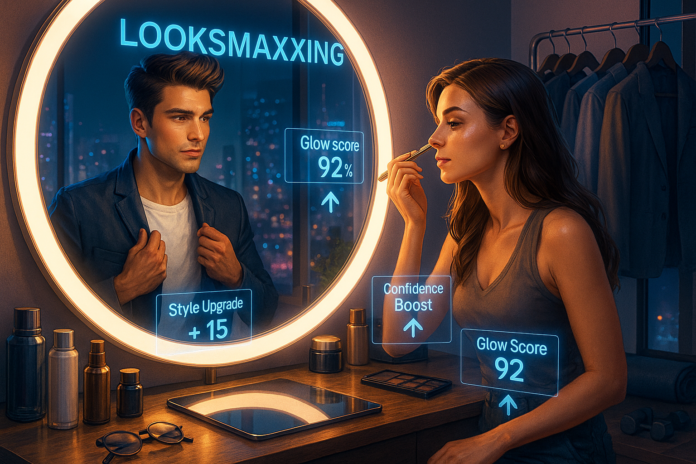
Looksmaxxing: The 2025 Self-Improvement Trend Everyoneโ€™s Talking About

0

โ€œIn 2025, self-care has a new nameโ€”and itโ€™s as unapologetic as it sounds: looksmaxxing.โ€

Youโ€™ve seen it on TikTok. Instagram reels gush about โ€œmaxxing your glow.โ€ Reddit forums debate skincare, jawlines, and gym routines. But whatโ€™s behind this buzzword, and why is it reshaping conversations about beauty and self-worth?


What โ€œLooksmaxxingโ€ Means

  • Definition: A slang term for maximizing oneโ€™s physical appearance using grooming, fitness, style, skincare, and sometimes cosmetic procedures.
  • Origins: First appeared in online forums (notably incel communities), but in 2025, itโ€™s been reclaimed as a mainstream self-improvement movement.
  • Modern Usage: Now seen as playful yet serious advice: โ€œHit the gym, upgrade your wardrobe, and level up your looks.โ€

Why Itโ€™s Trending (Psychological Triggers)

  1. Visible Results: Unlike abstract self-help, looksmaxxing shows tangible progressโ€”clearer skin, better outfits, improved confidence.
  2. Algorithmic Visibility: Platforms favor visually appealing transformations, making before-and-after content go viral.
  3. Cultural Pressure & Empowerment: While some criticize the superficiality, others see it as reclaiming control over their image and self-esteem.
  4. Community Support: Online groups share tips, workouts, and product reviews, turning looksmaxxing into a social movement.

The Double-Edged Sword

  • Positive Impact: Encourages self-care, fitness, and style experimentation.
  • Potential Risks: Can fuel unrealistic standards or toxic comparison if taken to extremes. Healthy looksmaxxing balances aesthetic goals with self-compassion.

Real-World Examples

  • Fitness Influencers: Offering โ€œlooksmaxxingโ€ workout programs.
  • Beauty Brands: Launching campaigns that promise โ€œmaxxing potentialโ€ with new products.
  • Dating Apps: Using โ€œlevel up your looksโ€ messaging to promote profile upgrades.

Tips for Creators & Marketers (SEO Strategy)

  • Use keywords: โ€œlooksmaxxing meaning,โ€ โ€œlooksmaxxing tips,โ€ โ€œself-improvement trends 2025.โ€
  • Pair visuals with aspirational yet authentic messaging.
  • Offer value-driven contentโ€”guides, reviews, or success storiesโ€”to stand out in a competitive niche.

Closing Emotional Beat

Looksmaxxing isnโ€™t about chasing perfectionโ€”itโ€™s about taking ownership of how you present yourself to the world. In an era where first impressions are often digital, maximizing your look might just be maximizing your confidence, too.

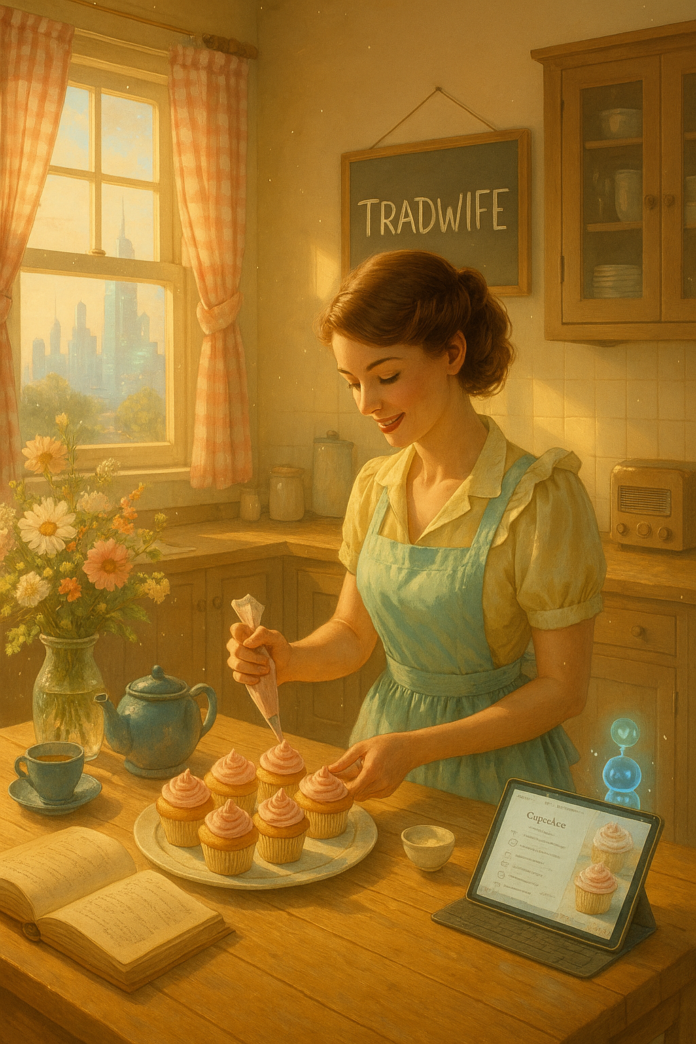
Tradwife: The Viral Revival of Traditional Femininity in a Digital Age

0

โ€œIn a world racing toward the future, some are finding power by looking backโ€”enter the tradwife.โ€

Scroll through TikTok or Instagram in 2025, and youโ€™ll find videos tagged #Tradwife racking up millions of views. Perfectly iced cakes, linen dresses, and quotes about nurturing families dominate these feeds. But behind the aesthetic lies a cultural conversation far bigger than baked bread and gingham aprons.


What โ€œTradwifeโ€ Means

  • Definition: A blend of โ€œtraditionalโ€ and โ€œwife,โ€ the term describes women who embrace conventional domestic rolesโ€”homemaking, cooking, and child-rearingโ€”as a lifestyle choice.
  • Online Evolution: Originally a niche aesthetic, tradwife culture now spans everything from slow-living influencers to debates about feminism and personal freedom.
  • Key Platforms: TikTok, YouTube, and Instagram have fueled its visibility with cozy vlogs and nostalgic filters.

Why Itโ€™s Trending (Psychological & Cultural Triggers)

  1. Nostalgia for Stability: Amid global uncertainty, traditional roles can feel grounding.
  2. Aesthetic Escapism: Pastel kitchens and vintage fashion evoke a simpler, slower life.
  3. Identity Politics: For some, tradwife culture is a personal statement against hustle culture or modern gender norms.
  4. Algorithmic Amplification: Visually soothing content thrives on social media feeds designed for emotional engagement.

Controversies & Ethical Considerations

  • Feminist Critiques: Critics argue it romanticizes a past that excluded many women from opportunities.
  • Freedom of Choice: Supporters counter that choosing domesticity can be as empowering as rejecting it.
  • Cultural Context: The movementโ€™s meaning shifts across regionsโ€”whatโ€™s playful nostalgia in one place may carry political weight elsewhere.

Real-World Impacts

  • Influencer Economy: Tradwife creators monetize through sponsored kitchenware, recipes, and lifestyle courses.
  • Brands & Marketing: Companies leverage the trend to sell home dรฉcor, baking products, and slow-living retreats.
  • Cultural Dialogue: Tradwife videos spark conversations about gender equality, work-life balance, and modern femininity.

Tips for Creators & Marketers (SEO Strategy)

  • Use trending keywords: โ€œtradwife meaning,โ€ โ€œtradwife aesthetic,โ€ โ€œmodern tradwife lifestyle.โ€
  • Pair content with warm visuals, vintage color palettes, and narratives of intentional living.
  • Balance admiration for the aesthetic with acknowledgment of its complex cultural implications.

Closing Emotional Beat

In a hyper-connected world, the tradwife movement isnโ€™t just about baking breadโ€”itโ€™s about choosing values in an age of noise. Whether you agree or not, its rise reveals our collective longing for slower rhythms and meaningful connection.

Brat Energy: How a Bold Slang Term Redefined Confidence and Culture in 2025

0

โ€œIn 2025, being called a brat isnโ€™t an insultโ€”itโ€™s a compliment.โ€

Youโ€™re on Instagram. A model shares a photo captioned โ€œBrat Energy Only.โ€ The comments explode: fire emojis, heart eyes, and friends declaring, โ€œSheโ€™s such a brat!โ€ But nobodyโ€™s offendedโ€”everyoneโ€™s inspired. How did a word once reserved for spoiled kids become the internetโ€™s hottest badge of boldness?


What โ€œBratโ€ Means Now

  • Original Meaning: Traditionally, โ€œbratโ€ described a misbehaving or spoiled child.
  • Cultural Rebirth: Gen Z and younger Millennials have reclaimed it as shorthand for unapologetic self-expression, confidence, and playful rebellion.
  • Key Usage: Phrases like โ€œbrat summerโ€ or โ€œbrat eraโ€ flood TikTok and Reels, signaling a shift toward carefree, empowered attitudes.

Why Brat Culture Resonates (Psychological Triggers)

  1. Rebellion With Humor: Itโ€™s a low-stakes way to push back against social expectations.
  2. Identity Signaling: Declaring yourself a โ€œbratโ€ aligns you with trendsetters who value independence and authenticity.
  3. Playful Provocation: The wordโ€™s past as an insult makes its reclamation feel edgy and exciting.
  4. FOMO Appeal: Brands and influencers using โ€œbratโ€ create a sense of exclusivityโ€”if you donโ€™t get it, youโ€™re out of the loop.

Real-World Examples

  • Fashion: Designers launch โ€œBrat Capsule Collectionsโ€ with vibrant colors and graffiti prints.
  • Music & Pop Culture: Artists tease โ€œbrat energyโ€ as a vibeโ€”think confident, slightly mischievous lyrics.
  • Social Media Trends: Captions like โ€œServing brat looksโ€ dominate reels showcasing bold outfits or cheeky moments.
  • Marketing: Beverage brands use โ€œbratโ€ campaigns to project youthful audacity.

The Cultural Impact

โ€œBratโ€ is more than slangโ€”itโ€™s a social mirror. It reflects a generation unwilling to dilute personality to fit molds. The term champions authenticity, even when it ruffles feathers.


Tips for Creators & Marketers (SEO & Strategy)

  • Keyword Targeting: Use phrases like โ€œbrat meaning 2025,โ€ โ€œbrat energy trend,โ€ and โ€œbrat era aesthetic.โ€
  • Brand Alignment: Pair โ€œbratโ€ messaging with visuals that radiate boldness and individuality.
  • Emotional Hook: Tie the term to empowerment narratives to connect with younger audiences.
  • Timing: Trends fadeโ€”capitalize on brat culture now while search volume peaks.

Closing Emotional Beat

In an age of curated perfection, brat energy isnโ€™t about being rudeโ€”itโ€™s about being real. A little rebellious charm might just be the reminder we need: confidence looks good on everyone.

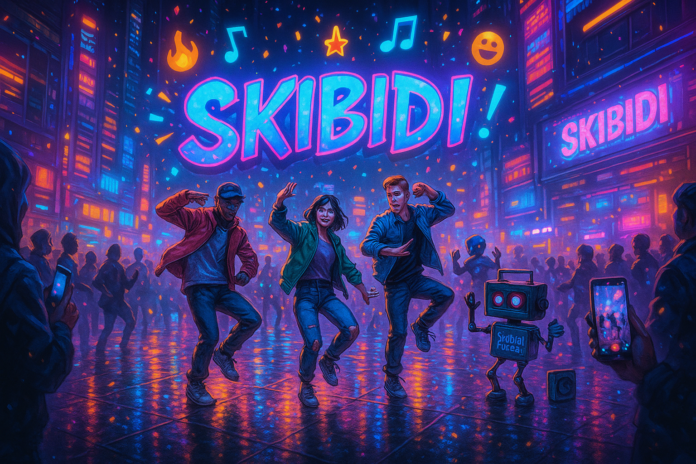
Skibidi: The Viral Word Turning Chaos Into Culture in 2025

0

โ€œOne nonsense word, a wild dance move, and a global internet meltdown: welcome to the Skibidi era.โ€

Youโ€™re scrolling TikTok at midnight when a video pops up: a surreal dance, strange sound effects, and someone yelling โ€œSkibidi!โ€ By sunrise, youโ€™ve shared it with three friends, and theyโ€™re quoting it back. What makes this odd little word so irresistible?


What โ€œSkibidiโ€ Actually Is

  • Origin: โ€œSkibidiโ€ burst onto the scene from absurdist internet videos and meme cultureโ€”especially the viral Skibidi Toilet series and its spinoffs.
  • Meaning: Thereโ€™s no fixed definitionโ€”thatโ€™s the point. Skibidi works as a celebratory shout, a dance cue, or even a playful insult, depending on context.
  • Spread: Platforms like TikTok, X (Twitter), and Instagram Reels amplified the meme with sound clips and dances, turning nonsense into a shared language.

Why Skibidi Took Over (Psychology of Virality)

  1. Cognitive Disruption: Its randomness hijacks attentionโ€”our brains love unexpected patterns.
  2. Low Barrier Participation: Anyone can yell โ€œSkibidiโ€ or mimic the danceโ€”no skill required.
  3. Community Identity: Using Skibidi signals โ€œIโ€™m in on the joke,โ€ fostering belonging in chaotic online spaces.
  4. Escapist Humor: In stressful times, absurdity feels like relief.

How Skibidi Is Shaping Culture

  • Music & Dance Challenges: DJs remix the Skibidi sound for clubs and festivals.
  • Marketing Campaigns: Brands sneak Skibidi references into ads for instant Gen Z engagement.
  • Art & Fashion: Streetwear brands print the word as a rebellious badge of absurdity.
  • Language Evolution: Linguists point to Skibidi as proof memes can reshape communication.

Ethical & Social Reflections

While Skibidi feels harmless, it also highlights how quickly misinformation or harmful ideas could spread using similar mechanics. The takeaway: memes are powerful toolsโ€”wield them thoughtfully.


For Creators and Marketers (SEO & Strategy)

  • Use keywords like โ€œSkibidi meaning,โ€ โ€œSkibidi dance trend,โ€ and โ€œSkibidi meme 2025โ€ to rank content.
  • Tie the word to emotional storytellingโ€”e.g., โ€œSkibidi Momentsโ€ photo captions or event branding.
  • Move fast: meme lifecycles are short, and early adopters gain the most traction.

Closing Emotional Beat

In a noisy digital world, nonsense words like Skibidi remind us that laughter and shared absurdity might be the glue holding online culture together. Maybe the chaos is the pointโ€”and maybe thatโ€™s what makes it beautiful.

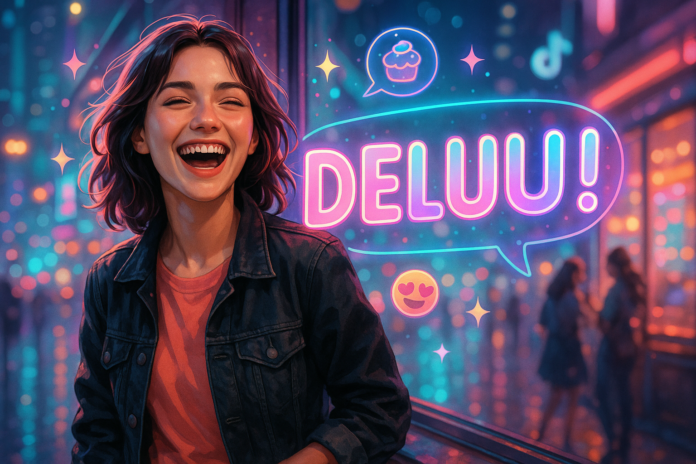
Delulu: Why Everyone Is Embracing the Art of Playful Delusion in 2025

0

โ€œThey called her deluluโ€”and she smiled. Because in 2025, being โ€˜delusionalโ€™ isnโ€™t a flaw. Itโ€™s a quiet rebellion.โ€

Imagine scrolling your feed. A friend posts about quitting her job to pursue a dream bakery. Someone comments โ€œDelulu!โ€โ€”and instead of an insult, itโ€™s applause. In todayโ€™s culture, delulu has transformed into a badge of daring optimism. But what exactly does this trending word mean, and why is it shaping conversations everywhere?


What โ€œDeluluโ€ Really Means

  • Origin: Short for delusional, โ€œdeluluโ€ first appeared in K-pop fan communities, then exploded across TikTok and Instagram Reels.
  • Modern Usage: Itโ€™s no longer cruelโ€”most use it playfully, to celebrate ambitious dreams or unlikely hopes. Saying โ€œIโ€™m a little deluluโ€ often means: I know itโ€™s unrealistic, but I choose to believe anyway.
  • Cultural Shift: As hustle culture gives way to self-care and manifesting, โ€œdeluluโ€ reflects a collective craving for joy, fantasy, and fearless risk-taking.

The Psychology Behind the Appeal

Why are millions proudly calling themselves delulu? Three hidden triggers keep the term irresistible:

  1. Rebellion Against Cynicism โ€“ The world feels uncertain, so play-acting belief feels powerful.
  2. Tribal Belonging โ€“ Using shared slang signals youโ€™re โ€œinโ€ on the cultural moment.
  3. Low-Risk Escapism โ€“ Unlike full denial, delulu is conscious fantasyโ€”an emotional safety valve.

Real-World Examples

  • Startup Founders: Saying โ€œBe delulu about your ideaโ€ encourages audacious thinking during pitches.
  • Dating Culture: Joking โ€œIโ€™m delulu, heโ€™s definitely texting backโ€ softens vulnerability.
  • Manifestation & Self-Help: Influencers rebrand delusion as courageous dreamingโ€”hashtags like #DeluluEra dominate explore pages.

Ethical & Practical Perspective

While delulu can be empowering, balance matters. Blind optimism without action risks disappointment. The healthiest approach: Dream boldly, but plan wisely. Use the energy of playful belief as fuel for preparation, networking, or skill-building.


Why This Word Matters for Marketers & Creators

  • SEO Opportunities: Search volume for โ€œdelulu meaningโ€ and โ€œdelulu eraโ€ is surging. Blogs, videos, and reels using the keyword rank quickly.
  • Emotional Connection: Brands using culturally relevant slang feel relatableโ€”think โ€œWeโ€™re a little delulu about our next drop.โ€
  • Trend Lifecycle: Slang terms burn bright but fast. Capitalizing now places you at the trendโ€™s peak.

Closing Emotional Beat

In a world that often demands hard logic, delulu gives permission to believe in magicโ€”just long enough to chase something extraordinary. Maybe a touch of playful delusion is exactly what keeps our dreams alive.

Why Your Degree Isnโ€™t Your Destiny: Understanding the Real Drivers of Career Paths

0

Opening Thought
Many of us grow up hearing that choosing the โ€œrightโ€ major is the single most important decision for our professional future. Yet, step into almost any workplace today and youโ€™ll find designers who studied biology, project managers with English degrees, or tech entrepreneurs who once majored in history. The truth is far more complexโ€”and liberatingโ€”than the idea that your degree seals your fate.


The Reality Behind Majors and Careers

Surveys across industries consistently show that most university graduates do not work in fields directly tied to their college majors. This isnโ€™t a sign of failure or indecisionโ€”itโ€™s a reflection of how dynamic the job market is. Rapid changes in technology, globalization, and shifting consumer needs mean that many of todayโ€™s in-demand jobs either didnโ€™t exist or looked completely different a decade ago.

Take software engineering: some of the most successful coders never studied computer science formally. Bootcamps, online platforms, and open-source communities have provided alternative routes to technical mastery. Similarly, a marketing director might have started with a psychology degree, using insights into human behavior as an unexpected edge in understanding consumers.


Real-World Examples

  1. Howard Schultz (Former CEO of Starbucks) โ€“ Studied communications but built a global coffee empire by blending retail strategy, hospitality, and design thinking.
  2. Susan Wojcicki (Former CEO of YouTube) โ€“ Earned a history and literature degree before becoming a pioneer in online advertising and video platforms.
  3. A Former Biology Major Turned UX Designer โ€“ A friend of mine completed a biology degree but became fascinated by how people interact with digital products. Today, she leads design projects for a major health-tech company, combining her science background with design skills learned later.
  4. A History Graduate Working in Data Science โ€“ With the rise of data analytics tools, one history major I met taught himself Python and statistics. His ability to analyze narratives now helps him identify patterns in complex datasetsโ€”skills that werenโ€™t part of his original plan.

Why This Happens

  • Transferable Skills Matter More: Communication, problem-solving, and adaptability often outweigh specific technical knowledge.
  • Continuous Learning is the Norm: With online courses and certifications, people can pivot into new fields without starting over at university.
  • Industries Evolve Quickly: Ten years ago, jobs like โ€œcloud architectโ€ or โ€œinfluencer marketing managerโ€ were barely recognized.
  • Networking Opens Unexpected Doors: Connections built through internships, volunteer work, or side projects can create opportunities unrelated to your major.

How to Future-Proof Your Career

  1. Focus on Skills, Not Labels: Instead of clinging to your major, build complementary skillsโ€”coding, writing, public speaking, or data analysisโ€”that broaden your options.
  2. Leverage Your Unique Perspective: Your background gives you a lens others donโ€™t have. An art major in product development may approach problems differently than an engineer, sparking innovation.
  3. Embrace Lifelong Learning: Platforms like Coursera, Udemy, and LinkedIn Learning allow you to quickly adapt to changing industries.
  4. Network Beyond Your Field: Attend meetups, join cross-industry projects, and stay curious about opportunities outside your degree.

A Mindset Shift

Rather than seeing your degree as a rigid roadmap, view it as a foundation. It gave you critical thinking skills, discipline, and a starting pointโ€”but your career will be shaped by your adaptability, curiosity, and willingness to learn.


Closing Reflection
The idea that your degree locks you into a single career path is outdated. The modern economy rewards those who can cross disciplines, learn continuously, and apply their unique experiences to new challenges. Your major might open your first door, but your initiative, skills, and network determine how far youโ€™ll go.

Redefining Success: Why Happiness Isnโ€™t Found at the Finish Line

0

Opening Quote
โ€œSuccess is getting what you want. Happiness is wanting what you get.โ€ โ€” Dale Carnegie


The Common Myth

Many people chase achievementsโ€”promotions, wealth, or recognitionโ€”believing these milestones will automatically bring happiness. Yet, history and modern psychology repeatedly show that external success does not guarantee lasting joy. Olympic athletes can feel empty after a gold medal. CEOs can burn out at the peak of their careers. The idea that success precedes happiness is a trap that leaves many people unfulfilled.


Why Success Alone Doesnโ€™t Satisfy

1. The Hedonic Treadmill: Humans quickly adapt to improved circumstances. A new car or a bigger paycheck feels exciting at first, but the thrill fades. Without a deeper sense of purpose, youโ€™ll constantly raise the bar, chasing the next achievement.
2. External Validation Isnโ€™t Sustainable: If your worth depends on othersโ€™ approval, a single failure or shift in opinion can shatter your sense of self.
3. Success Can Be Narrow: Climbing one ladderโ€”like career advancementโ€”may neglect other vital areas like health, relationships, and personal growth.


Real-World Examples

  • Simone Bilesโ€™ Withdrawal at the Olympics: At the height of her career, Biles stepped back to prioritize mental health, reminding the world that well-being outweighs medals.
  • A Tech Entrepreneur I Met: After selling his startup for millions, he confessed to feeling โ€œdirectionlessโ€ until he invested time in volunteering and mentoring others. That shiftโ€”not the moneyโ€”brought him fulfillment.
  • A Teacher Who Turned Down Promotion: A friend declined an administrative position because she valued time with her students and her family more than a higher salary or title. She designed her life around joy, not status.

Designing a Life That Fits You

  1. Identify Your Core Values: List what matters mostโ€”freedom, family, creativity, serviceโ€”and use them as a compass.
  2. Balance Multiple Dimensions: Nurture relationships, health, learning, and spirituality alongside career goals.
  3. Practice Gratitude: Recognizing small, daily joys can elevate happiness regardless of external achievements.
  4. Experiment with Lifestyle Design: Try flexible work, minimalism, or passion projects to align your life with your values.
  5. Define Success on Your Terms: Maybe success is coaching your childโ€™s soccer team, traveling the world, or working four days a weekโ€”not a corner office.

A Mindset Shift

Instead of thinking, โ€œOnce I succeed, Iโ€™ll be happy,โ€ reverse it: โ€œIf I cultivate happiness and alignment now, my version of success will follow.โ€ When you design your life intentionally, even small wins feel meaningful.


Closing Reflection
True happiness isnโ€™t a trophy at the end of a race. Itโ€™s a series of intentional choicesโ€”how you spend your time, whom you love, and the purpose you serve. Design a life that fits you, and youโ€™ll find that success, however you define it, becomes a natural byproduct.

Itโ€™s Never Too Late: Rewriting Your Lifeโ€™s Blueprint

0

Opening Thought
โ€œYour future self is waiting on the other side of your next choice.โ€


Challenging the โ€œToo Lateโ€ Mindset

Many people feel trapped by their past decisionsโ€”believing theyโ€™ve missed their chance to build the life they want. They might think, โ€œIโ€™m too old to start over,โ€ or โ€œThat door closed years ago.โ€ But history, neuroscience, and countless real-world stories show that reinvention has no expiration date.


Why Itโ€™s Never Too Late

  1. Neuroplasticity Keeps Us Adaptable: Research shows our brains can form new connections and learn new skills well into our later years.
  2. Life Experience is an Asset: Wisdom, resilience, and perspective often make reinvention more powerful as you age.
  3. Opportunities Evolve: Entire industriesโ€”like AI, remote work, and sustainable energyโ€”didnโ€™t exist in their current form 15 years ago. New paths open all the time.

Real-World Examples

  • Colonel Harland Sanders: Founded KFC at 65 after multiple failed ventures.
  • Julia Child: Didnโ€™t publish her first cookbook until age 50, revolutionizing American cooking.
  • A Former Accountant Turned Adventure Guide: I once met a man in his 40s who left his finance job to run hiking tours in Patagonia. He said, โ€œIโ€™m happier covered in dust and sunshine than I ever was under fluorescent lights.โ€
  • A Friend Who Returned to School at 38: She pursued graphic design, landed her dream job, and now mentors others considering mid-life career changes.

Steps to Redesign Your Life

  1. Audit Your Values and Desires: Write down what matters most nowโ€”not what mattered five or ten years ago.
  2. Start Small, Act Consistently: Tiny changesโ€”a class, a side project, or a networking eventโ€”can spark big transformations.
  3. Surround Yourself With Expanders: Connect with people whoโ€™ve made bold changes; their stories normalize reinvention.
  4. Use Your Past as Fuel, Not Chains: Every skill and lesson youโ€™ve gathered can serve your next chapter.
  5. Visualize the Life You Love: Create a vision board or journal to clarify what your redesigned future looks like.

A Mindset Shift

Instead of viewing time as a barrier, see it as proof of your growth. Every day lived has prepared you to create a life thatโ€™s authentically yours. The only true limitation is believing youโ€™ve run out of options.


Closing Reflection
Itโ€™s not too lateโ€”itโ€™s exactly the right time. Whether youโ€™re 25 or 75, you can pivot, reinvent, and design a life that excites you. The past is fixed, but the future is wide open.

Designing a Career and Life You Actually Love (Without Losing Your Soul)

0

1. Finding a Job You Likeโ€”or Even Love

Most people donโ€™t stumble into their dream job by accident. Loving your work starts with self-awareness:

  • Identify Your Strengths and Interests: Take stock of tasks that energize you versus those that drain you. Tools like StrengthsFinder or journaling about your โ€œflowโ€ moments can help.
  • Experiment Broadly: Try internships, side projects, or volunteer roles in different industries. For example, a marketing assistant who volunteers at a local non-profit may discover a passion for community outreach.
  • Look for Cultural Fit: A job can match your skills but still feel miserable if the companyโ€™s values clash with yours. Seek organizations where peopleโ€™s behavior reflects the mission they claim to champion.

Real Example: A friend who studied finance discovered through a weekend coding bootcamp that he loved building tools more than crunching numbers. He transitioned into a fintech product role and never looked back.


2. Building a Career That Supports a Good Living

A career isnโ€™t just a paycheckโ€”itโ€™s your primary source of financial stability. To build one that pays well:

  • Target Skills With Market Demand: Fields like data analytics, AI, healthcare, and skilled trades have strong earning potential.
  • Stack Skills for Unfair Advantage: Combine competenciesโ€”for example, pairing design knowledge with programming or sales expertise with industry-specific knowledge.
  • Negotiate and Reassess Regularly: Ask for raises, switch companies strategically, or upskill to keep pace with the market.

Real Example: Julia, a graphic designer, learned user interface design and doubled her salary by transitioning into UX/UI for a growing tech company.


3. Balancing Career and Family

Balancing these priorities is about intention, not perfection:

  • Set Boundaries Early: Communicate non-negotiable times for familyโ€”like dinner or weekends.
  • Leverage Flexibility: Remote work, flexible schedules, or job sharing can create more space for loved ones.
  • Integrate When Possible: Some families make work part of shared lifeโ€”like bringing children to industry events or combining business travel with family vacations.

Real Example: A project manager I know negotiated a four-day workweek. She uses Fridays for school activities and personal projects, proving that reduced hours donโ€™t have to mean reduced impact.


4. Making a Difference in the World

Impact doesnโ€™t always require founding a non-profit or donating millions:

  • Find Purpose in Any Role: A software engineer might contribute by building tools for education or healthcare.
  • Volunteer Your Expertise: Sharing your skillsโ€”like financial literacy workshops or mentorshipโ€”can ripple outward.
  • Choose Ethical Employers: Work for companies whose missions align with your values, whether in sustainability, social justice, or innovation.

Real Example: Patagonia famously donates time and profits to environmental causes, and employees feel their work contributes to a larger mission.


5. On Being Thin, Sexy, and Fabulously Rich

This phrase reflects cultural pressure rather than genuine fulfillment. A healthier approach:

  • Redefine Success: Instead of chasing perfection, focus on well-beingโ€”physical, emotional, and financial.
  • Invest in Health, Not Image: Regular exercise and balanced nutrition improve energy and confidence more sustainably than crash diets.
  • Separate Self-Worth From Wealth: Money can provide freedom and security but doesnโ€™t define your value or happiness.

Real Example: Oprah Winfrey has spoken openly about shifting her focus from external validation to inner peace and purposeโ€”demonstrating that external trappings donโ€™t guarantee joy.


6. Putting It All Together: Designing Your Life

  • Use โ€œLife Designโ€ Thinking: Approach your future like a creative projectโ€”prototype small changes, gather feedback, and adjust.
  • Accept Iteration: Few people get every decision right the first time. Career paths are winding, not linear.
  • Prioritize Joy and Values Over Image: The most fulfilled people align their work, relationships, and self-care with what truly matters to themโ€”not fleeting cultural ideals.

Closing Reflection
The quest for the perfect job, work-life balance, and a meaningful life isnโ€™t about ticking boxesโ€”itโ€™s about crafting a flexible blueprint that evolves with you. Take small, intentional steps, experiment boldly, and remember: your career and your life are not separate storiesโ€”theyโ€™re chapters in the same book. Designing them thoughtfully can bring you both prosperity and joy.

From Loyalty to Lust? Reflections on Changing Relationships

0

“Once upon a time, love was measured in patience. Today, it often feels measured in how quickly lust can be satisfied.”


The Ideal of Loyalty in the Past

In earlier times, loyalty between men and women was celebrated as a sacred bond. Women were praised for waiting faithfully when their husbands went to war, trusting they would return even after years apart. Men too were expected to honor their promises, protecting their homes and cherishing the women who stood by them.

  • Historical example: During World War II, countless women across Europe and Asia endured years of silence and uncertainty, holding onto the hope that their soldiers would return. Their loyalty became legendary.
  • Cultural example: In ancient epics like the Ramayana, Sitaโ€™s unwavering devotion to Rama symbolized purity and fidelity, while Ramaโ€™s sacrifices reflected the duty of a man to remain steadfast.

These stories taught generations that true love was not fragile but strong enough to withstand time, distance, and temptation.


The Rise of Lust in Modern Times

Today, the narrative feels reversed. Many relationships are less about endurance and more about immediacy. Lust, once considered a passing temptation, has now become a powerful force shaping how people connect.

  • Temptation everywhere: Social media, dating apps, and endless online validation make it easy for men and women alike to chase attraction outside their commitments.
  • Changing roles: Women no longer face the same cultural barriers of the past, and men feel fewer expectations to live up to the โ€œprotectorโ€ ideal. With fewer restrictions, opportunities for lust-driven choices multiply.
  • Entertainment culture: Music, films, and advertisements often glorify instant passion over patience, making loyalty seem old-fashioned.

This shift fuels the perception that both men and women now run after lust wherever they find it, rather than staying grounded in devotion.

“Lust may burn brightly for a moment, but loyalty is the flame that survives the night.”


Does Loyalty Still Exist?

And yet, loyalty is not gone โ€” it simply takes a different form. While many chase lust, countless others still build relationships rooted in trust, communication, and sacrifice.

  • Modern example: Military families today still endure long separations with patience and faith.
  • Everyday example: Ordinary couples continue to fight through financial stress, parenting struggles, and personal battles, proving loyalty is still alive.

The difference is that loyalty is no longer enforced by society; it must be chosen by individuals. That choice, though rare, is what makes it more meaningful.


Why It Matters

The debate between loyalty and lust is more than just a moral argument โ€” it is about the kind of relationships we want to create. Lust satisfies quickly but fades. Loyalty demands patience but builds something unshakable.


Closing Reflection

The past may have demanded loyalty, sometimes at the cost of personal freedom. The present celebrates freedom, but often risks drowning in lust. Perhaps the true path forward is balance: to enjoy freedom while still choosing loyalty โ€” not because tradition demands it, but because love is worth it.

๐Ÿ’ญ Do you think loyalty is dying โ€” or simply changing shape? Share your thoughts in the comments.