Every journey begins with a simple expectation: to return home safely. Yet every day, families lose loved ones on the road because of decisions that often take only a few seconds—speeding, using a mobile phone while driving, ignoring a helmet or seat belt, driving on the wrong side, jumping a signal, or making a dangerous […]
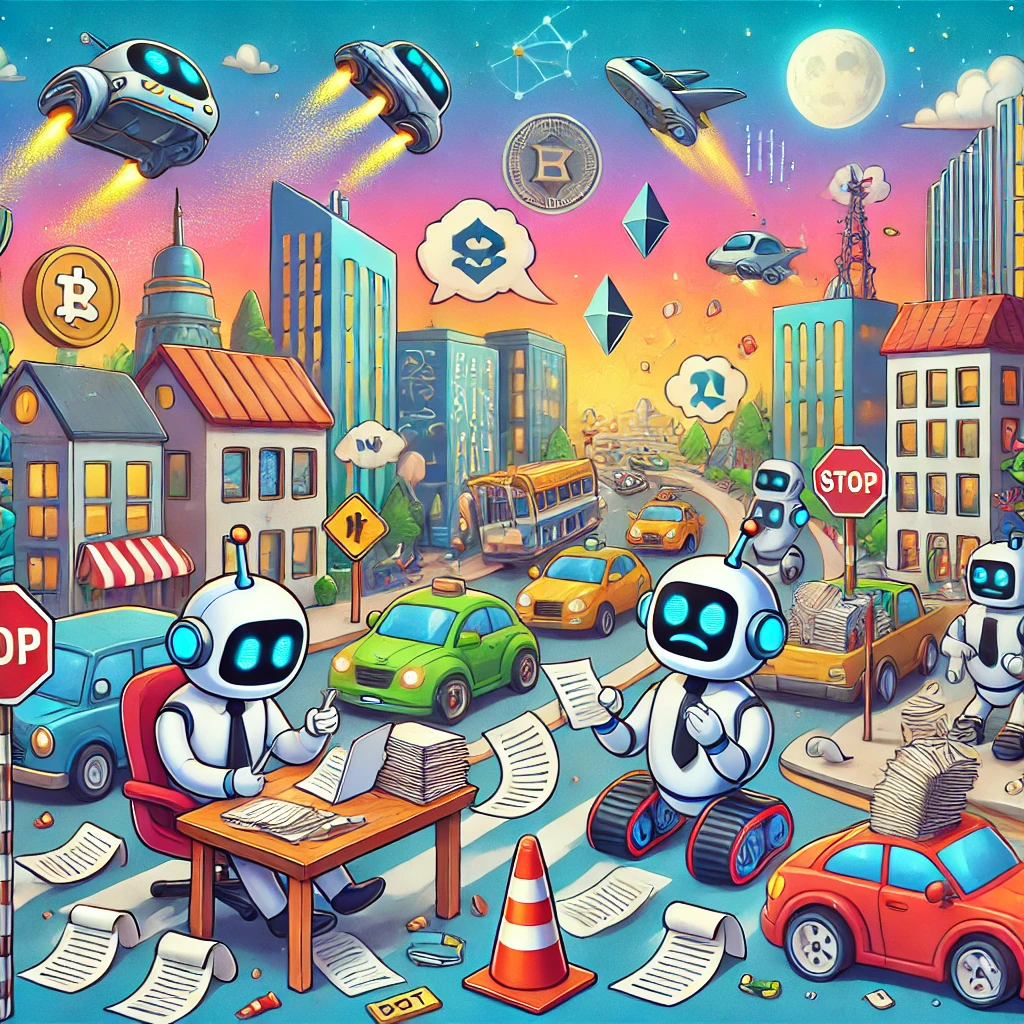
Bureaucratic inefficiency remains one of the most frustrating obstacles facing businesses, citizens, and governments worldwide. Slow, complicated, and redundant processes can hinder growth, foster corruption, and reduce public trust in governance. In this blog, we outline common bureaucratic problems and provide practical, actionable solutions for creating a more efficient, transparent administrative environment.
🚩 Common Problems of Bureaucratic Inefficiency
1. Favoritism and Delays in Awarding Contracts
Contracts and licenses often require multiple layers of approval, leading to delays and increased potential for favoritism and bribery.
Example:
A construction company waits months for a permit, losing opportunities or facing temptations to expedite approvals through unofficial payments.
2. Excessive Documentation and Paperwork
Manual and paper-based systems slow down processes, making them prone to errors, loss of documents, and increased processing time.
Example:
Citizens or businesses submitting the same information to multiple government departments repeatedly, resulting in inefficiency and frustration.
3. Lack of Transparency in Administrative Processes
Without transparency, delays and inefficiencies remain unchecked, creating opportunities for corruption and abuse.
Example:
Lack of public clarity in license approvals, causing suspicions of preferential treatment and discouraging new businesses.
4. Complexity of Regulatory Approvals
Multiple layers of approvals across different departments lead to redundancy and confusion.
Example:
Business startups navigating through multiple agencies and approvals, significantly slowing down launch timelines and innovation.
5. Ineffective Communication Channels
Unclear communication between departments and citizens further delays administrative processes.
Example:
Citizens struggling to access accurate information on how and where to apply for permits, leading to inefficiencies and frustration.
🟢 Practical Solutions to Combat Bureaucratic Inefficiency
To overcome these challenges, innovative approaches involving technology, transparency, and streamlined governance are necessary:
Digitalize approvals through blockchain-driven smart contracts, automatically executing transactions when predefined conditions are met.
Example:
Estonia’s e-government initiatives using blockchain smart contracts to process business registrations instantly, minimizing delays and corruption opportunities.
✅ 2. Introducing AI-Driven Automation
How it Works:
Use artificial intelligence for document management, data validation, and administrative tasks, drastically reducing paperwork and human errors.
Example:
AI algorithms handling document verification in countries like Singapore, reducing waiting times from weeks to days or even hours.
✅ 3. Centralized Digital Platforms
How it Works:
Develop unified online platforms for all administrative procedures, allowing transparent, efficient processing accessible in real-time.
Example:
Estonia’s e-governance platform or UAE’s digital ID systems (UAE Pass), providing rapid, centralized digital approvals, greatly speeding up business licensing and registration processes.
✅ 4. AI-Powered Chatbots and Virtual Assistants
How it Works:
Use AI assistants to provide clear, fast answers on regulatory processes and document submission, making complex procedures easy to understand and follow.
Example:
Government portals incorporating AI chatbots to handle citizen inquiries and assist in navigating administrative processes more smoothly.
✅ 4. Transparent Blockchain-Based Public Records
How it Works:
All government processes and transactions publicly recorded on a blockchain-based ledger, promoting transparency and accountability.
Example:
Estonia’s use of blockchain technology to track all government transactions and financial dealings transparently, increasing public trust.
🔑 Why Solving Bureaucratic Inefficiency Matters
Economic Growth: Efficient processes encourage business development and entrepreneurship.
Public Trust: Transparent and simplified bureaucracy increases public confidence in governance.
Corruption Prevention: Clear, automated systems significantly reduce opportunities for corruption and favoritism.
Bureaucratic inefficiency is solvable. Through technology, innovation, and transparency, governments can create a more trustworthy, efficient, and vibrant environment for citizens and businesses alike.
✨ Support Our Mission
If you appreciate content focused on solving significant societal problems through bold and innovative ideas, consider supporting our efforts. Every contribution, no matter how small, enables us to continue sharing impactful insights.
Public participation is critical to effective governance. When citizens actively participate, governments make better decisions, build greater trust, and create communities that truly reflect people’s needs. Yet many governments today struggle with low citizen engagement, limiting the effectiveness of their policies and initiatives. Below, we explore the key problems associated with inadequate public participation and present actionable solutions to enhance citizen involvement.
🔴 Common Problems Related to Inadequate Public Participation
1. Limited Opportunities for Citizen Involvement
Citizens often have minimal channels to actively engage with decision-making processes, leading to policies that fail to reflect their true needs.
Example:
Urban projects planned without genuine community consultation, resulting in dissatisfaction or disconnected developments.
2. Lack of Accessible Information
Complex bureaucratic processes make it difficult for citizens to access information needed to effectively participate.
Example:
Residents unsure about upcoming urban development plans due to poor communication from local authorities.
3. Absence of Effective Feedback Channels
Citizens’ suggestions or complaints often go unheard, leading to frustration and apathy.
Example:
Limited platforms for citizens to voice concerns about local infrastructure, causing issues to persist unaddressed.
4. Tokenistic Participation Methods
When governments provide participation opportunities, they’re often symbolic rather than meaningful.
Example:
Public meetings conducted merely as formalities, without genuinely considering community input.
🟢 Practical Solutions to Increase Public Participation
Here are practical, technology-driven solutions to help boost genuine public involvement:
✅ 1. Blockchain-Powered Voting Platforms
Solution:
Implement blockchain-based platforms for public voting on local projects, ensuring transparency and accountability.
Benefit:
Citizens see their votes transparently recorded and counted accurately, increasing trust and engagement.
✅ 2. AI-Enabled Digital Feedback Systems
Solution:
Deploy AI-driven tools that analyze citizen feedback and respond to public concerns in real-time.
Benefit:
Citizens receive timely responses, enhancing trust and encouraging active involvement.
✅ 3. Online Public Engagement Portals
Solution:
Establish easy-to-use online portals for citizens to access information and contribute ideas seamlessly.
Example:
Platforms like Singapore’s online feedback systems that enable community discussions and idea submission.
✅ 4. Transparent Community Decision-Making through AI Analysis
Solution:
Use AI tools to analyze community preferences and demographics, providing valuable insights into urban planning and public policy decisions.
Benefit:
Ensures planning decisions are responsive to community needs and backed by clear data.
✅ 5. Regular Virtual Town Halls and Forums
Solution:
Conduct virtual meetings and forums to allow easy, inclusive participation from diverse community members.
Example:
Online webinars regularly hosted by cities like Amsterdam, making public participation convenient and accessible.
🔑 Why Increased Public Participation Matters
Strengthened Democracy: Active citizen engagement creates stronger democratic institutions.
Enhanced Community Trust: Transparency and responsiveness build greater trust between governments and communities.
Improved Decision-Making: Policies developed with community input better align with actual public needs, leading to greater success and satisfaction.
🚀 Final Thoughts:
Public participation isn’t just beneficial—it’s essential. Governments can significantly improve governance outcomes by implementing transparent technologies, accessible communication platforms, and genuine feedback mechanisms. Citizens who feel heard are citizens who actively contribute to a thriving society.
✨ Support Our Work – Fuel More Bold Ideas
If you appreciate our insights and want more impactful content exploring solutions to pressing societal problems, consider supporting us. Every contribution makes a difference!
Weak accountability undermines trust, erodes public confidence, and fuels corruption. Governments that struggle to consistently enforce laws, effectively monitor public officials, and adequately respond to unethical behavior risk losing credibility and effectiveness. Below, we explore key problems associated with weak accountability and outline practical, innovative solutions that promote fair and transparent governance.
🔴 Common Problems Caused by Weak Accountability
1. Inconsistent Application of Laws and Regulations
Issue: Selective or uneven enforcement undermines public trust and fairness.
Example: Favoritism in enforcing zoning laws, allowing influential entities exemptions while penalizing smaller businesses.
2. Ineffective Monitoring of Public Officials and Entities
Issue: Limited oversight permits unethical or corrupt behavior to go unnoticed.
Example: Government officials misusing funds due to inadequate supervision, resulting in public resources being mismanaged.
3. Limited Consequences for Unethical Behaviors
Issue: Weak consequences fail to deter unethical actions.
Example: Public officials continuing unethical practices without fear of serious penalties or repercussions.
🟢 Practical Solutions to Enhance Accountability and Oversight
Below are clear, actionable solutions leveraging innovative technology to strengthen accountability:
✅ 1. Blockchain-Based Transparency
Solution: Use blockchain technology to create an immutable record of public official actions, financial transactions, and government decisions.
Benefit:
Ensures transparent records, making it harder for unethical behavior to remain hidden.
✅ 2. AI-Enhanced Compliance Monitoring
Solution: Implement AI-driven systems to continuously monitor compliance with laws and regulations.
Benefit: Automatically identifies inconsistencies, bias, or selective enforcement in real-time, improving fairness.
✅ 3. Digital Oversight and Audit Systems
Solution: Adopt AI-driven auditing systems to monitor officials and public entities continuously.
Example: AI audits automatically flag irregularities in financial transactions, prompting immediate investigation.
✅ 4. Clear and Consistent Consequences for Unethical Behavior
Solution: Establish transparent, well-publicized penalties enforced through automated digital systems.
Benefit: Transparent blockchain records clearly document offenses and penalties, deterring misconduct.
✅ 5. AI-Enabled Whistleblower Platforms
Solution: Implement secure, anonymous AI-powered reporting platforms for unethical behavior.
Benefit: Encourages whistleblowing without fear of retaliation, significantly increasing monitoring efficiency.
🔑 Why Strengthening Accountability Matters
Improved Public Trust: Transparent enforcement of laws restores citizens’ confidence in governance.
Reduced Corruption: Real-time digital monitoring and clear consequences significantly reduce unethical practices.
Enhanced Efficiency: Effective oversight ensures optimal use of public resources, benefiting society overall.
🚀 Final Thoughts
Accountability is essential to effective governance. By addressing the inconsistent application of laws, ineffective oversight, and limited consequences for unethical behaviors with innovative technologies such as blockchain and AI, governments can create stronger, fairer, and more trusted public institutions.
✨ Support Our Mission – Champion Bold Ideas
If you believe in transparent, fair governance and innovative solutions to societal challenges, support our work today.
Inefficient bureaucracy often results from outdated systems and inadequate technology integration. As governance becomes increasingly complex, traditional administrative processes struggle to keep pace. In this blog, we’ll address three critical problems arising from bureaucratic inefficiency and propose practical technology-driven solutions to streamline public administration.
🔴 Key Problems in Digital Infrastructure and Governance
1. Slow Administrative Processes Due to Insufficient Digitalization
Issue: Manual, paper-based processes cause significant delays, impacting productivity.
Example: Businesses face long waiting times when registering due to paperwork-heavy, manual approval processes.
Issue: Excessive bureaucratic layers slow down essential public services and permit approvals.
Example: A business license that should take days to issue instead takes weeks due to multiple departments involved.
3. Inefficient Use of Public Resources
Issue: Poorly integrated systems lead to wasted financial and human resources.
Example: Redundant data entry and unnecessary paperwork increase costs and reduce efficiency.
🟢 Practical Solutions with Innovative Technology
Addressing bureaucratic inefficiency requires integrating modern technologies like blockchain and AI. Here are effective solutions:
✅ 1. Blockchain-Powered Smart Contracts
Solution:
Implement blockchain-based smart contracts to automate administrative processes, eliminating delays caused by multiple manual approvals.
Example:
Dubai’s blockchain strategy reduced paperwork and processing time drastically, saving millions annually.
✅ 2. AI-Driven Administrative Automation
Solution:
Utilize artificial intelligence to streamline document management, verification, and approval processes, minimizing human errors and accelerating service delivery.
Example:
Singapore uses AI algorithms to automate verification processes, cutting permit issuance from weeks to mere hours.
✅ 3. Integrated Digital Platforms
Solution:
Create centralized digital platforms to handle administrative tasks efficiently, reducing complexity and resource wastage.
Example:
Estonia’s e-Government system provides a single digital platform for citizens to complete administrative tasks seamlessly and transparently.
✅ 4. IoT and AI for Resource Optimization
Solution:
Deploy Internet of Things (IoT) sensors combined with AI analytics to optimize public resource use, enhancing efficiency and reducing waste.
Example:
Smart city projects using IoT and AI to manage energy, water, and public utilities in real-time, significantly cutting costs.
✅ 5. AI-Powered Virtual Assistants and Automation
Solution:
Introduce AI-powered virtual assistants to answer citizen queries instantly and automate repetitive administrative tasks.
🔑 Why Technology Integration is Crucial for Governance
Increased Efficiency: Automation and digital tools streamline administrative tasks, improving speed and reducing waiting times.
Transparency: Blockchain technology ensures public processes are transparent and corruption-resistant.
Better Resource Management: AI optimization reduces waste, freeing public resources for better services.
🚀 Final Thoughts
By integrating modern technology solutions like blockchain and AI, governments can revolutionize bureaucracy, making administrative processes more transparent, efficient, and effective. The future of governance is digital—let’s embrace it fully.
✨ Support Our Work – Empower Bold Ideas
Every contribution helps us continue creating valuable insights and solutions that can transform governance for the better.
Administrative delays can cripple efficiency, frustrate citizens, stall businesses, and even create opportunities for corruption. Bureaucratic processes that involve excessive paperwork, redundancy, and complexity not only slow down progress but also increase risks of unethical practices. In this blog, we’ll explore common problems associated with bureaucratic delays and present actionable, tech-driven solutions to transform administrative efficiency.
🚩 Common Problems Causing Bureaucratic Delays
1. Slow Processing of Licenses, Permits, and Approvals
Issue: Excessively long wait times due to manual processing, causing inconvenience and lost economic opportunities.
Example: A new restaurant waits months for a health or business permit, losing potential revenue and discouraging investment.
2. Complexity and Redundancy in Administrative Tasks
Issue: Multiple departments requiring identical information repeatedly, creating unnecessary delays and confusion.
Example: Citizens or businesses forced to submit identical documents separately to different agencies.
3. Increased Corruption Risks Due to Inefficiencies
Issue: Slow, opaque processes encourage bribery to expedite approvals or bypass standard procedures.
Example: Businesses offering unofficial payments to speed up approvals, damaging public trust and fair competition.
✅ Practical Solutions to Streamline Bureaucratic Processes
Here are innovative, technology-focused solutions proven to reduce delays and improve transparency:
1. Digital Smart Contract Systems
Solution:
Use blockchain-based smart contracts to automatically process licenses, permits, and approvals instantly when all criteria are met.
Benefit:
Dramatically reduces processing times and eliminates unnecessary human intervention.
2. Centralized Administrative Portals
Solution:
Introduce a unified online system where citizens and businesses upload documents once, accessible by all relevant departments.
Benefit:
Cuts redundancy, saves time, and simplifies complex administrative tasks.
3. AI-Driven Document Verification
Solution:
Implement artificial intelligence to automatically verify submitted documents, significantly speeding up approval processes.
Benefit:
Eliminates human error, drastically reducing waiting periods.
4. Transparent Blockchain Records
Solution:
Deploy blockchain technology to transparently track administrative approvals, preventing corruption and favoritism.
Enhanced Economic Growth: Faster approvals attract investments and support entrepreneurship.
Greater Transparency: Technology-driven systems reduce corruption and improve accountability.
Better Citizen Satisfaction: Simplified, efficient processes improve public perception and trust in government.
🚀 Final Thoughts
By adopting innovative technologies such as blockchain, AI, and centralized digital platforms, governments can overcome bureaucratic delays, significantly enhance transparency, and foster a more efficient, responsive administrative environment. The result: stronger governance, happier citizens, and a thriving economy.
✨ Support Our Mission – Champion Innovation
If you appreciate solutions-focused content that empowers positive change, consider supporting our ongoing efforts.
Rapid urbanization often brings environmental challenges that threaten both ecological balance and quality of life. Issues such as urban sprawl, resource wastage, insufficient sustainable infrastructure, and the struggle to harmonize development with environmental protection require thoughtful, practical solutions. In this blog, we’ll examine key sustainability problems faced by growing cities and offer actionable, technology-driven strategies for creating greener urban environments.
🚩 Common Environmental and Sustainability Problems
1. Urban Sprawl and Resource Wastage
Issue: Uncontrolled expansion increases pollution, consumes vast land areas, and strains water and energy resources.
Example: Cities expanding into rural or agricultural lands, causing loss of green spaces and increased transportation emissions.
2. Limited Sustainable Infrastructure and Policies
Issue: Lack of green infrastructure (such as renewable energy, efficient public transport, and waste management systems) exacerbates environmental harm.
Example: Inadequate recycling programs leading to overflowing landfills and polluted environments.
3. Difficulty Balancing Development and Ecological Concerns
Issue: Governments often prioritize economic growth at the expense of environmental conservation.
Example: Allowing construction of infrastructure without adequate environmental assessments, damaging local ecosystems.
✅ Practical Solutions for Sustainable Urban Development
By integrating smart technologies and sustainability-focused policies, cities can effectively tackle these environmental issues:
1. Smart Urban Planning with AI and Data Analytics
Solution:
Use AI-driven modeling tools to plan compact, mixed-use urban developments that reduce sprawl and improve resource efficiency.
Benefit:
Preserves green spaces, reduces transportation emissions, and optimizes energy usage.
2. Renewable Energy Infrastructure
Solution:
Deploy large-scale renewable energy projects like solar panels and wind farms integrated into urban infrastructure.
Example:
Cities like Dubai implementing massive solar parks to reduce dependence on fossil fuels.
3. Efficient Waste Management Systems
Solution:
Utilize blockchain and IoT technologies to track and optimize waste recycling and management systems.
Benefit:
Increases recycling rates, reduces landfill waste, and promotes resource reuse.
4. Sustainable Mobility Solutions
Solution:
Expand public transport networks and introduce electric vehicle (EV) infrastructure, reducing dependency on fossil-fuel vehicles.
Example:
Cities such as Amsterdam promoting cycling infrastructure and electric buses, significantly lowering emissions.
5. Strong Environmental Governance and Transparency
Solution:
Implement blockchain-based environmental reporting systems to ensure transparency and accountability in urban development projects.
Benefit:
Enables real-time monitoring, ensures compliance with sustainability standards, and prevents ecological harm.
Improves Quality of Life: Green spaces, clean air, and efficient transport lead to healthier and happier urban communities.
Long-term Economic Prosperity: Sustainable cities attract investments, tourists, and residents committed to ecological responsibility.
🚀 Final Thoughts
Urban growth doesn’t have to come at the expense of the environment. By adopting innovative technologies, sustainable infrastructure, and transparent governance, cities can effectively balance development with ecological protection—ensuring vibrant, resilient communities for generations to come.
✨ Support Our Mission – Empower Sustainable Ideas
If you believe in the importance of sustainable urban development and innovative solutions, consider supporting our work.
Corruption and bribery undermine progress, hinder innovation, and erode public trust. Identifying these challenges clearly and offering actionable solutions are critical steps toward fostering transparent and efficient systems.
Below, we highlight common corruption-related problems, provide real-world examples, and outline actionable solutions leveraging AI and blockchain technology.
🚩 Common Corruption and Bribery Problems
1. Opaque Tender Processes
Problem: Contracts awarded based on personal connections (wasta) rather than merit.
Example: Construction permits granted unfairly due to personal relationships.
2. Inconsistent Law Enforcement
Problem: Laws enforced selectively, leading to unequal treatment.
Example: Companies exploiting migrant laborers due to selective enforcement of labor laws.
3. Bureaucratic Inefficiency
Problem: Slow, complicated approvals that encourage bribery.
Example: Prolonged delays in property transactions and business setups.
4. Limited Transparency in Financial Transactions
Problem: Hidden payments or fees in public projects and real estate dealings.
Problem: Lack of public input in urban planning decisions.
Example: Communities excluded from planning discussions, reducing trust in governance.
✅ Actionable Solutions: Leveraging AI & Blockchain
1. Blockchain for Transparent Tender Processes
Solution: Create an immutable blockchain ledger for all public contracts.
Benefit: Public visibility and tamper-proof records prevent favoritism.
2. AI-Driven Oversight and Auditing
Solution: AI identifies financial irregularities and anomalies instantly.
Benefit: Rapid, unbiased detection of corruption triggers quick investigations.
3. Automated Smart Contract Approvals
Solution: Use blockchain smart contracts to automate approvals, reducing bureaucratic delays.
Benefit: Eliminates middlemen, cuts bribery incentives, and speeds processes.
4. Blockchain-Based Public Voting
Solution: Deploy blockchain for citizen voting on urban projects.
Benefit: Boosts transparency, citizen participation, and project legitimacy.
5. AI-Enabled Whistleblower Platform
Solution: Provide an anonymous AI-driven system to securely report corruption.
Benefit: Quick response, confidentiality, and increased public trust.
✅ Taking Action – Why It Matters
Reduces corruption risks drastically
Increases efficiency and transparency
Empowers community trust and engagement
Creates accountable and equitable urban development
🚀 Support Our Work – Help Us Share More Bold Ideas
Bringing visionary ideas to life requires dedication, research, and innovation. Your contribution helps us keep producing thought-provoking content and shaping future-focused conversations.
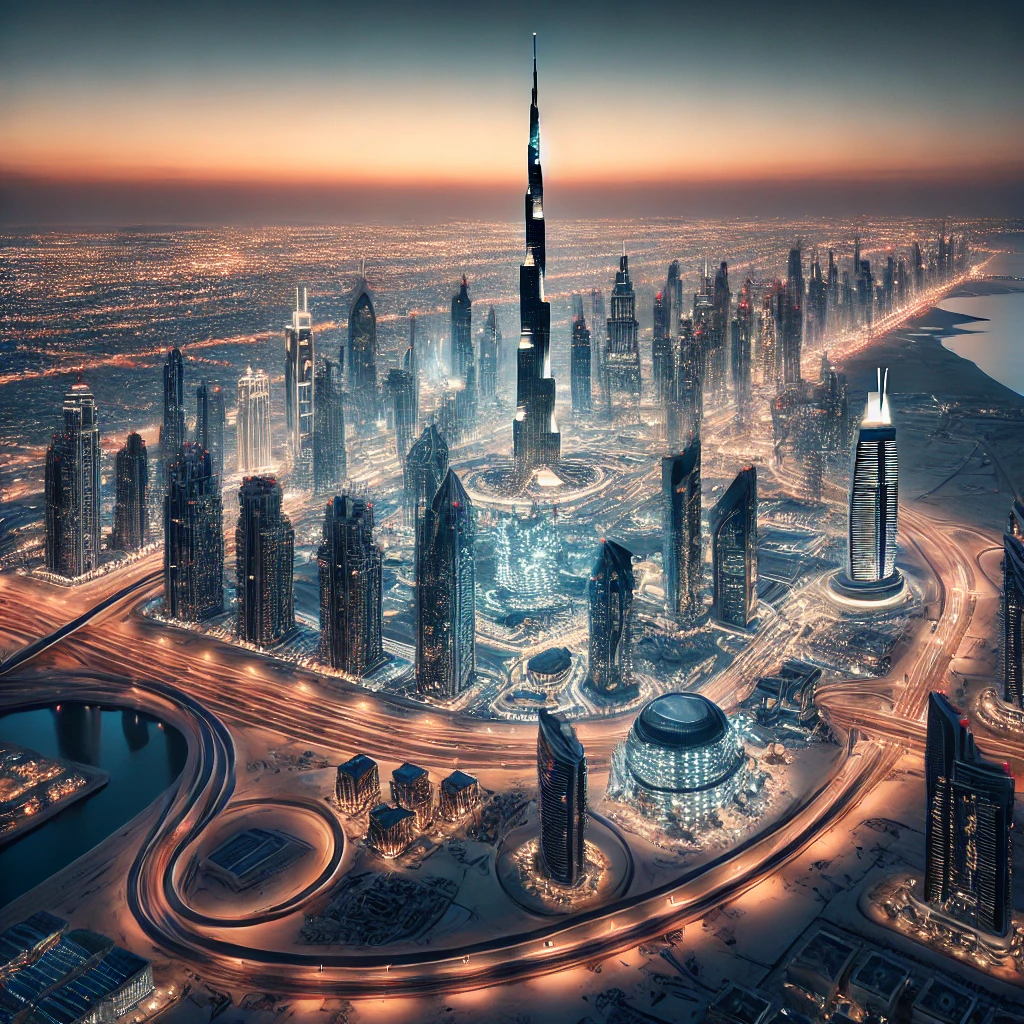
Dubai is a city renowned for its futuristic skylines, vibrant tourism, and impressive economic growth. Its transformation from a small trading post into a global metropolis has occurred at a rapid pace. Alongside its many successes, however, Dubai faces several critical challenges. In this blog post, we’ll explore five major issues confronting the city and the solutions being implemented to address them.
1. Rapid Urbanization and Infrastructure Strain
The Problem
High population growth: Dubai’s population has expanded quickly, intensifying the need for housing, healthcare, and public services.
Traffic congestion: Worsening road congestion stems from the surge in vehicle ownership.
Housing and utility demands: Rapid construction outpaces infrastructure, straining roads, water, and electricity networks.
Solutions
Public Transport Expansion:
Metro and Tram: The Dubai Metro and Tram systems offer alternative transit, helping reduce dependence on cars.
Bus Services: Enhanced routes and greater frequency encourage wider adoption of public transport.
Water Transport: Water taxis and ferries introduce additional commuting options.
Smart City Initiatives:
Traffic Management Systems: Real-time monitoring and data-driven traffic signal adjustments help manage congestion.
E-Government Services: Many government services are now handled online, lowering the need for in-person visits.
Infrastructure Planning & Regulation:
Zoning and Master Plans: Continuous revision ensures developments are aligned with long-term urban capacity.
Transit-Oriented Development: Building mixed-use projects near transport hubs cuts down on car dependency.
2. Environmental Sustainability and Resource Constraints
The Problem
High Energy Consumption: Air conditioning and other cooling demands create heavy loads on power grids.
Water Scarcity: Reliance on desalinated water requires vast energy, potentially impacting marine ecosystems.
Carbon Footprint: Construction, frequent car use, and round-the-clock cooling systems generate considerable emissions.
Solutions
Renewable Energy Projects:
Solar Power: The Mohammed bin Rashid Al Maktoum Solar Park aims to significantly expand solar’s share in Dubai’s energy mix.
Building-Integrated Photovoltaics: Many new structures are outfitted with rooftop solar panels and other renewable technologies.
Water Conservation Measures:
Efficient Desalination: Research into energy-saving desalination methods helps reduce environmental impact.
Appliance Regulations: Building codes mandate water-saving fixtures, while landscaping guidelines encourage water-efficient irrigation.
Green Building Initiatives:
Sustainability Codes: Regulations require improved insulation, eco-friendly materials, and efficient HVAC systems in new developments.
Retrofit Programs: Existing buildings are being upgraded with more efficient lighting, cooling, and water systems.
Public Awareness Campaigns:
Educational efforts underscore the importance of energy efficiency and responsible consumption.
3. Economic Diversification and Volatility
The Problem
Dependence on Real Estate & Tourism: Economic fluctuations—like travel declines or real-estate downturns—can destabilize Dubai.
Regional Oil Market Influence: While Dubai’s oil reserves are relatively small, regional economies still affect investment and overall stability.
Solutions
Investment in Technology & Innovation:
Free Zones: Clusters such as Dubai Internet City and Dubai Media City draw global firms, diversifying beyond tourism.
Start-Up Incubators: Government-backed programs support entrepreneurs, fostering a robust knowledge-based economy.
Expansion into Emerging Sectors:
Green Economy & Clean Tech: Initiatives in renewable energy, waste management, and climate-tech open new avenues for growth.
Dubai’s meteoric rise brings immense opportunities—yet also reveals pressing challenges. Whether it’s upgrading infrastructure, embracing green energy, expanding economic horizons, safeguarding labor rights, or tackling waste management, the city’s leadership and communities are proactively seeking innovative solutions. While these efforts will require sustained collaboration and continuous improvement, they ultimately position Dubai to maintain its status as a leading global hub, ensuring a prosperous and sustainable future for all its residents.
Disclaimer: This Blog is an Idea, Not an Official Plan
This blog presents a conceptual exploration of ideas and possibilities—it is not an official project, proposal, or affiliated with any entity. The thoughts shared here are purely visionary and serve to spark discussion, innovation, and creative thinking about the future.
Every contribution, big or small, helps us continue researching, writing, and sharing bold ideas that challenge conventional thinking.
If you believe in the power of visionary ideas, support us today!
Dubai has positioned itself as a global leader in urban innovation, boasting futuristic projects like Wasl Tower, Dubai Sustainable City, and Expo 2020. However, beneath the glamour, several structural inefficiencies hinder the city’s full potential. Despite ongoing advancements, challenges persist in sustainability, inclusivity, governance transparency, efficiency, and corruption risks.
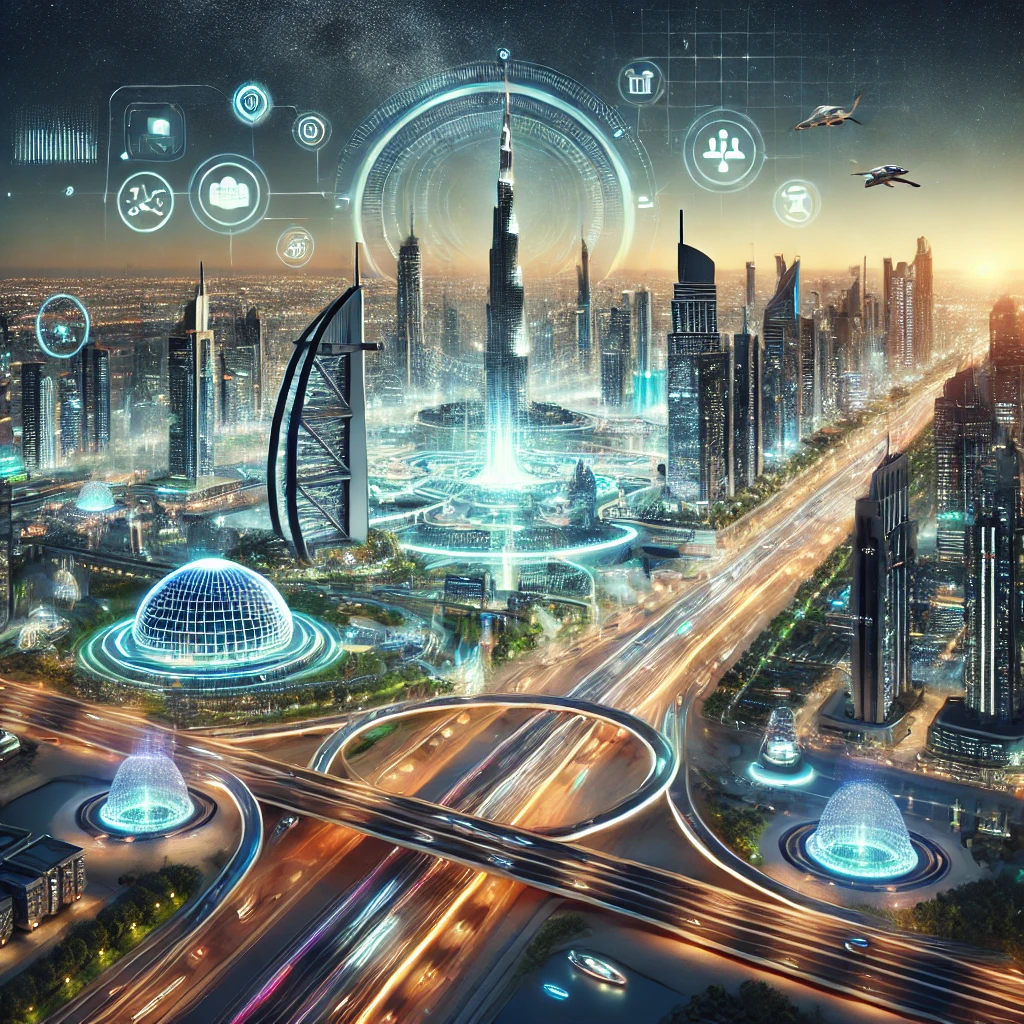
Wasl 2.0, an AI-driven, blockchain-powered city, aims to rectify these shortcomings and set a new benchmark for urban excellence. Below, we analyze the key problems in Dubai’s current development approach and explore how Wasl 2.0 can pioneer transformative solutions.
Problems in Current Dubai City Development
1. Insufficient Sustainability Depth
The Problem: Despite initiatives like Dubai Sustainable City and the Mohammed bin Rashid Solar Park, the city’s ecological footprint remains high (7.75 hectares per person in 2023). The reliance on energy-intensive cooling systems, imported resources, and inconsistent waste management weakens true sustainability efforts.
Key Facts:
Only 10% of waste was recycled by 2015 under the Carbon Abatement Strategy.
Large-scale solar adoption remains confined to specific zones.
Urban sprawl increases reliance on private vehicles, contradicting green mobility goals.
2. Limited Inclusivity and Community Focus
The Problem: While luxury developments cater to wealthy residents and tourists, affordable housing remains scarce for the expatriate majority (85% of Dubai’s population). Public participation in urban planning is also minimal, leading to social fragmentation.
Key Facts:
Native Emiratis benefit from subsidized suburban housing, while expatriates face high living costs.
Many public spaces lack design elements that foster social cohesion.
3. Transparency Gaps in Governance and Business
The Problem: Despite digitization efforts like UAE Pass, bureaucratic inefficiencies and opaque decision-making persist. Business setup, property dealings, and government contracts remain vulnerable to favoritism.
Key Facts:
Business approvals can take weeks due to jurisdictional complexities.
Contract disputes often require intermediaries, increasing the risk of corruption.
4. Inefficient Resource and Traffic Management
The Problem: Dubai’s urban design remains car-centric, with public transit coverage limited. Older buildings suffer from energy inefficiencies, and smart city technologies (such as AI-driven traffic management) are not fully scaled.
Key Facts:
Sheikh Zayed Road and major arterial routes experience daily congestion.
Retrofitting older buildings for energy efficiency lags behind new regulations.
5. Corruption and Bribery Risks
The Problem: While Dubai ranks 21st on Transparency International’s 2023 Corruption Perception Index, anecdotal reports indicate bribery issues in construction permits, labor practices, and contract awards.
Key Facts:
Opaque tender processes allow personal networks (wasta) to influence decision-making.
6. Technology Integration Shortfalls
The Problem: Despite ambitious strategies like the Dubai Blockchain Strategy 2020, full-scale adoption of AI and blockchain for governance, supply chain tracking, and urban planning is inconsistent.
Key Facts:
Blockchain is primarily used in customs rather than across public services.
AI-driven smart systems remain underutilized in managing infrastructure.
Solutions for Wasl 2.0: A Transparent, AI-Driven, Blockchain-Supported City
1. Holistic Sustainability with AI and Green Tech
The Solution: AI-powered systems will monitor and optimize energy, water, and waste management in real-time. Wasl 2.0 will mandate 100% renewable energy (solar, wind) and aim for a 50% waste recycling rate.
Implementation:
AI forecasts peak energy demand to balance solar grid loads.
Blockchain tracks waste management to ensure accountability.
Construction regulations prohibit non-sustainable materials.
2. Inclusive Urban Design for All Residents
The Solution: Wasl 2.0 will feature mixed-use neighborhoods with 20% of housing units designated as affordable. AI-driven platforms will allow residents to participate in city planning.
Implementation:
Blockchain secures community voting records to promote fair planning.
AI studies demographics to create balanced housing models.
Walkable neighborhoods and expanded Metro connectivity reduce car dependency.
3. Blockchain for Transparent Governance and Business Setup
The Solution: All transactions in Wasl 2.0—including business licenses, property titles, and contracts—will be managed via blockchain, cutting bureaucratic delays and enhancing transparency.
Implementation:
Smart contracts automate business approvals without human intervention.
A decentralized ledger ensures financial transactions remain corruption-free.
A unified system extends blockchain to Dubai’s free zones.
4. AI-Driven Efficiency in Resource and Traffic Management
The Solution: AI will regulate city-wide traffic flows, optimize energy distribution, and integrate electric vehicle (EV) charging infrastructure.
Implementation:
Adaptive traffic signals based on AI analysis will reduce congestion.
Blockchain-based systems will track and incentivize EV usage.
Older districts in Dubai will be retrofitted with smart sensors.
5. Zero Bribery via Blockchain Accountability
The Solution: Every financial transaction within Wasl 2.0 will be recorded on an immutable blockchain ledger. AI-based audits will detect anomalies to prevent fraud.
Implementation:
Blockchain permanently logs all project payments and approvals.
AI automatically flags discrepancies in public tenders.
6. Full-Scale Tech Integration Across Governance and Infrastructure
The Solution: Wasl 2.0 will act as a global testbed for AI and blockchain implementation in urban governance, digital twins for planning, and smart supply chain tracking.
Implementation:
AI simulations will predict future urban growth to prevent inefficiencies.
Blockchain will verify ethical material sourcing in construction.
A dedicated training program will equip workers with emerging technology skills.
Why Wasl 2.0 Is the Future Dubai Needs
✔ Sustainability
AI-driven green technology will reduce Dubai’s ecological footprint, aligning with the 2050 Clean Energy Strategy.
✔ Inclusivity
Affordable, mixed-use communities will bridge social gaps, fostering a more cohesive urban environment.
✔ Transparency & Efficiency
Blockchain-based governance will slash bureaucratic costs and eliminate corruption risks, saving billions in lost productivity.
✔ Scalable Innovation
The Wasl 2.0 model can be adapted to retrofit existing developments, transforming Dubai into a fully AI-powered, blockchain-driven city.
Final Thoughts: From Vision to Reality
Wasl 2.0 is not just a conceptual urban model—it is a necessity for Dubai’s next evolutionary leap. By addressing today’s urban shortcomings with AI and blockchain, this next-generation city will redefine sustainability, efficiency, and transparency.
Dubai has the ambition. Now it needs the execution. Wasl 2.0 is that execution.
Disclaimer: This Blog is an Idea, Not an Official Plan
This blog presents a conceptual exploration of ideas and possibilities—it is not an official project, proposal, or affiliated with any entity. The thoughts shared here are purely visionary and serve to spark discussion, innovation, and creative thinking about the future.
Every contribution, big or small, helps us continue researching, writing, and sharing bold ideas that challenge conventional thinking.
If you believe in the power of visionary ideas, support us today!
. To surpass this record and keep Downtown Dubai at the forefront, we propose a year-long, innovative and data-driven marketing campaign aligned with global travel trends. This strategy targets key visitor segments with a multi-channel approach, highlights iconic attractions, leverages strategic partnerships, and times special activations to sustain momentum throughout the year.
Target Audience Segmentation
Identify and prioritize specific visitor groups, tailoring messages to each segment’s interests and needs:
International Tourists: Global travelers drawn by Dubai’s iconic landmarks and reputation. Focus on top source markets (e.g. India, Saudi Arabia, UK, Western Europe, South Asia) which already account for a large share of Dubai’s visitors
. Emphasize hassle-free travel experiences, language-friendly tours, and must-see bucket-list attractions like Burj Khalifa and The Dubai Mall.
Regional Visitors (GCC & UAE): Tourists from the Middle East who visit frequently for shopping, dining, and weekend getaways. Highlight new experiences and repeat-visit incentives (loyalty programs, exclusive previews of events) to encourage multiple trips per year. Leverage cultural familiarity (Arabic language campaigns, GCC holiday promotions) to deepen regional engagement.
Luxury Travelers: High-net-worth visitors and luxury seekers who come for Downtown’s upscale offerings. Promote Downtown Dubai’s five-star hotels (Armani Hotel, Address, etc.), fine dining, high-end retail and VIP experiences. Curate bespoke itineraries (private tours of Burj Khalifa’s top floors, personal shopper at The Dubai Mall) to position Downtown as the ultimate luxury destination.
Families: Leverage Dubai’s push to be the world’s leading family destination – over 50% of Dubai’s travelers have been families
. Emphasize family-friendly attractions (Dubai Aquarium, KidZania at Dubai Mall, evening fountain shows), safety, and convenience (stroller-friendly facilities, family hotel suites). Create campaigns around school holidays, “kids go free” deals, and family festival events to attract more multi-generational travel.
Business Professionals (MICE and Bleisure): Dubai is a global hub for business tourism, with ~20% of visitors traveling for work
. Target conference attendees and business travelers by showcasing how Downtown Dubai offers seamless “bleisure” (business + leisure) opportunities. Promote proximity to the Dubai World Trade Centre and DIFC, state-of-the-art meeting facilities in Downtown hotels, and after-work entertainment (dining, lounges, cultural shows) encouraging professionals to extend their stay or bring family along.
By clearly segmenting the audience, the campaign can craft resonant messages – from adventure and luxury for international tourists to comfort and familiarity for regional visitors – ensuring each demographic sees Downtown Dubai as a must-visit destination tailored to them.
Marketing Channels
Deploy a multi-channel marketing approach that integrates digital, traditional, and experiential tactics to maximize global reach and engagement:
Digital Marketing: Prioritize online channels where modern travelers research and share experiences. Invest heavily in social media advertising (Instagram, Facebook, TikTok, YouTube) showcasing stunning visuals of Downtown Dubai’s skyline and attractions. Collaborate with travel influencers and content creators from key markets to produce engaging vlogs and posts – for example, an influencer family live-streaming their day in Downtown, or a luxury vlogger highlighting a VIP shopping spree. Boost Search Engine Optimization (SEO) so that searches for Middle East travel or “world’s tallest building visit” lead users to Downtown Dubai offerings. Given that nearly 78% of travel industry ad spend now goes to digital
, allocate a significant budget here, including for programmatic ads targeting users who show interest in travel to Dubai. Utilize data-driven targeting (retarget past visitors, use lookalike audiences based on existing high-value visitors) to ensure marketing precision.
Influencer & Content Marketing: Launch a dedicated campaign hashtag (e.g. #DowntownDubai2025) and encourage user-generated content. Invite global influencers (travel bloggers, celebrity travelers, regional pop stars) for hosted Downtown Dubai experiences, turning them into brand ambassadors. Their authentic stories and videos can drive organic interest. Supplement this with professional content – short videos, 360° virtual tours, and interactive posts – that highlight unique angles (such as sunrise from Burj Khalifa’s observation deck or a chef’s table experience at a top restaurant). This strategy taps into word-of-mouth and social proof, which are powerful in travel decisions.
Traditional Advertising: Use high-impact traditional media in strategic markets to complement the digital push. This includes billboards in major airports and city centers (imagine a Times Square billboard inviting New Yorkers to “See the Heart of Dubai”), print ads in luxury and travel magazines, and targeted TV spots on international channels (like CNN, BBC World) and regional TV during peak travel planning seasons. The campaign creative should be consistent – for example, a catchy tagline reinforcing Downtown as the world’s most-visited destination, with visuals of the Dubai Fountain show against the Burj Khalifa. In key feeder countries, run outdoor ads on public transport (e.g. wraps on London buses or in Paris metros) to keep Dubai top-of-mind.
Experiential & Events Marketing: Create immersive experiences that allow people to “sample” Downtown Dubai or engage their senses. For instance, set up traveling VR kiosks in shopping malls of target cities where users can virtually ride to the top of Burj Khalifa or walk through Dubai Mall. Host pop-up Dubai-themed events or mini festivals abroad (food truck events featuring Dubai’s global cuisine, or an exhibition of Arabesque art and design akin to Souk Al Bahar) in collaboration with UAE embassies or cultural centers. In Dubai itself, organize special Downtown preview days for UAE residents (backstage tours of the Opera, meet-and-greets at attractions) so they become word-of-mouth advocates to visiting friends and family.
Public Relations (PR): Engage in a proactive PR campaign to generate earned media coverage. Develop compelling story angles (e.g. “Downtown Dubai’s journey to 200 million visitors”, “How Downtown Dubai became the world’s meeting point”) and pitch them to international travel journalists, bloggers, and TV shows. Host press trips for travel writers to experience Downtown first-hand. Secure feature stories in global outlets (Travel + Leisure, National Geographic, Condé Nast Traveler) and regional news. Also, leverage major travel fairs (WTM, ITB) to announce new Downtown attractions or events, ensuring media buzz. A steady drumbeat of positive press and listicle features (“Top 10 things to do in Downtown Dubai”) will amplify paid marketing efforts.
Website & Mobile App: Enhance the official Downtown Dubai web presence and app with personalized trip-planning tools. Use content marketing (blogs, itineraries, event calendars) to improve organic search rankings. Implement an AI-powered chatbot to help potential visitors with queries in real-time. Collect visitor emails for a CRM-driven email marketing program – send segmented newsletters (e.g. upcoming events for regional visitors, seasonal travel tips for international tourists, exclusive offers for families). Ensure the website/app provides a seamless path from inspiration to action, with links to book attraction tickets, reserve restaurants, or find hotel deals in Downtown.
By using this integrated channel mix, the campaign meets the audience wherever they are – on their phones, laptops, TVs, or even in their hometown streets – with a consistent message that Downtown Dubai offers something extraordinary for everyone. Crucially, all channels will be coordinated (e.g. social media buzz feeding into PR stories, events creating content for digital platforms) to maximize impact and ensure a unified brand story.
Key Attractions & Selling Points
Showcase Downtown Dubai’s unparalleled attractions and experiences that serve as the campaign’s core “reasons to visit.” Marketing content will highlight the following selling points to entice visitors:
Burj Khalifa – “Top of the World” Experience: As the world’s tallest building
, Burj Khalifa is Downtown’s crown jewel. Promote the thrill of visiting At The Top observation deck for 360° city views, sunrise breakfast sessions in the sky, and the tower’s evening LED light shows. Emphasize its record-breaking features (longest elevator ride, highest outdoor deck) to appeal to travelers seeking brag-worthy experiences.
The Dubai Mall – Shopping & Entertainment Paradise: The Dubai Mall is the world’s largest shopping and entertainment destination
. Highlight its 1,300+ stores from high street to luxury brands, and family attractions like the Dubai Aquarium & Underwater Zoo, Olympic-sized ice rink, VR Park, and KidZania. The messaging should position the mall as far more than shopping – it’s an all-day family adventure and a cool refuge during hot months.
The Dubai Fountain & Waterfront Promenade: Market the magic of the world’s tallest performing fountain
. The evening fountain shows, dancing to music and lights, are a signature Downtown Dubai experience (and a hugely Instagrammable moment). Encourage visitors to dine at waterfront restaurants in Souk Al Bahar or along the promenade timed with the fountain performances for a memorable night. This free spectacle is a big draw for budget-conscious travelers and families alike.
Dubai Opera & Cultural Attractions: Promote the cultural sophistication of Downtown through the Dubai Opera, a 2,000-seat architectural marvel hosting Broadway shows, concerts, and classical performances
. The campaign can feature upcoming marquee events at the Opera to attract arts enthusiasts and position Downtown as not just about skyscrapers but also culture. Additionally, mention art installations and galleries in the area, and the nearby heritage experiences (while Downtown is modern, it’s close to historical neighborhoods accessible via short ride, offering a balanced itinerary).
Dining & Nightlife: Emphasize Downtown Dubai’s diverse gastronomy – from street food at Food Truck Park events to fine dining by Michelin-starred chefs. Highlight popular spots in the area: brunches with Burj Khalifa views, rooftop lounges, the Time Out Market (if present in Souk Al Bahar), and the vibrant café scene on Mohammed Bin Rashid Boulevard
. For nightlife, showcase options ranging from upscale bars to family-friendly evening strolls by the lit-up fountain. Culinary experiences and nightlife give travelers reasons to stay longer into the evenings (increasing spend per visitor).
World-Class Hotels & Hospitality: Downtown Dubai boasts numerous luxury hotels, including Armani Hotel (inside Burj Khalifa) and Emaar’s flagship Address, Vida, and Manzil hotels
. Market the idea of “stay in the heart of the action” – these hotels offer not just premium lodging but also spas, pools with Burj views, and direct access to malls and attractions. Packages can be promoted (through partners) for stay + experience bundles (e.g. two nights at Address Downtown including tickets to At The Top and a Dubai Mall shopping voucher).
Signature Events and Experiences: Leverage marquee events as attractions themselves. For example, the New Year’s Eve Gala at Burj Khalifa – featuring fireworks and laser shows – is among “the world’s most-anticipated events”
. The campaign will advertise Downtown as the place to ring in the New Year, encouraging visitors to plan trips around that time. Other experiences include national day celebrations, parades, and seasonal festivals (more on these in the Seasonal Activations section).
Each of these attractions will be woven into storytelling across channels. For instance, a family-targeted ad might show kids marveling at the Aquarium and a fountain show, while a luxury-focused brochure might show a couple dining at At.mosphere (Burj Khalifa’s restaurant) after a day of private shopping. By spotlighting Downtown Dubai’s unique mix of world-record attractions, cultural venues, shopping, dining, and entertainment, the campaign creates an irresistible pull for visitors seeking a comprehensive travel experience in one district.
Budget Considerations
Allocate the marketing budget across channels and initiatives to maximize return on investment and reach. We recommend a balanced distribution with a heavy emphasis on high-ROI digital tactics, while still funding broad-reach media and experiential efforts:
Digital Marketing (40% of budget): Digital channels offer precise targeting and measurable results. Approximately 40% of the budget should go to online advertising (social media ads, search engine marketing, display campaigns) and content production. This covers influencer partnerships, video production, and managing always-on campaigns in multiple languages. The significant allocation is justified by digital’s effectiveness in travel marketing – companies now devote ~54% of marketing budgets to digital on average
. Downtown Dubai’s campaign will likely exceed that to capitalize on global social media usage and the fact that travelers rely heavily on online research.
Traditional Advertising (20% of budget): Allocate roughly 20% to traditional media (TV, print, out-of-home). This will fund big-impact billboards in target cities, strategic TV spots, and print ads in select publications. Traditional ads are important for brand prestige and reaching audiences less active on digital (e.g. certain older luxury travelers or regional audiences watching TV). To optimize spend, we’ll focus on specific high-impact moments (such as a TV campaign in the spring when summer vacation bookings happen, and outdoor ads during holiday seasons).
Experiential Events & Activations (15% of budget): Set aside 15% for organizing events, sponsorships, and on-ground activations. This includes costs for any roadshows, VR installations, international pop-ups, or special events in Downtown (like a themed festival) that are part of the campaign. These experiential marketing efforts yield valuable content and PR, and create buzz, justifying a healthy investment.
Partnerships & Promotions (15% of budget): Use about 15% for joint marketing initiatives with partners (airlines, tour operators, online travel agencies, brands). This fund can be used for co-branded campaigns (where partners also chip in) and for creating exclusive package deals. For example, a shared campaign with Emirates Airline might split costs to advertise a “Dubai Stopover” package featuring Downtown Dubai – our budget covers part of that. Similarly, collaborating with a luxury brand on a Downtown Dubai fashion event might involve sponsorship costs.
Public Relations & Influencer Hosting (5% of budget): Allocate ~5% specifically for PR agency support, press event costs, and influencer hosting expenses (flights, accommodation for fam trips). While influencers are part of digital, their travel arrangements and hospitality need a budget. PR efforts can have outsized impact relative to cost, so this modest allocation can go a long way in earning media coverage.
Monitoring, Research & Contingency (5% of budget): Reserve the final ~5% for ongoing campaign analysis, market research, and contingency. This ensures we can adjust mid-campaign by boosting effective channels or quicky tapping into emerging opportunities (for instance, if a certain country shows a surge in interest, we can allocate extra funds to that market’s efforts). It also covers analytical tools and surveys to measure campaign impact (an important part of the data-driven approach).
Note: If the total marketing budget for the year is, say, AED X (hypothetically), the above percentages guide how to split it. This balanced allocation ensures we invest strongly in digital (the primary driver) while still maintaining a presence in traditional channels and on-ground experiences. Regular reviews (monthly/quarterly) will help reallocate budget as needed based on performance data – for example, if digital ads are exceeding targets, funds might be moved from underperforming print ads into more online ads.
Key Performance Indicators (KPIs)
To measure the campaign’s success and ensure accountability, we define clear KPIs tied to each objective. These indicators will be tracked monthly and quarterly, with agility to tweak the strategy based on data:
Total Visitor Numbers: The primary goal is increasing annual footfall beyond 150 million. KPIs include annual visitors to Downtown Dubai (with a target of, for example, +10% year-over-year, aiming for ~165 million, on a trajectory toward 200 million) and incremental visitation during campaign months (monitor foot traffic and ticket sales at major attractions monthly against previous year baselines).
International Overnight Visitors to Dubai: As a secondary metric, track Dubai’s citywide tourist arrivals, since a rise in overall tourism (targeting a new record beyond 17.15 million international visitors
) will feed Downtown footfall. If Dubai’s Tourism Vision goals are being met or exceeded, Downtown will likely benefit proportionally.
Attraction and Event Attendance: Monitor the number of tickets or entries to Downtown’s key attractions (Burj Khalifa observation deck visits, Dubai Mall footfall counters, Dubai Opera event attendance) during the campaign period. Special events (festivals, New Year’s Eve) should have their own attendance targets (e.g. record turnout at New Year’s gala). An uptick in repeat visits by UAE residents or regional tourists (measured by loyalty program data or multiple-entry promotions) would indicate success in local engagement.
Engagement Metrics (Digital): Evaluate the campaign’s resonance online through engagement KPIs. These include social media engagement rates (likes, shares, comments on our posts, hashtag usage), video views and completion rates for campaign videos, and the growth of followers on Downtown Dubai’s official social channels. A specific target might be to achieve X million impressions and Y hundred-thousand engagements on the #DowntownDubai2025 hashtag. Also track user-generated content volume – e.g. how many posts on Instagram or TikTok are tagging Downtown Dubai, indicating organic buzz.
Website & App Analytics: Measure increases in traffic to Downtown Dubai’s website or app, particularly from key source countries. Track metrics like monthly unique visitors, time spent on site (indicating content engagement), and click-throughs to booking links (e.g. referral to ticketing or hotel sites). Conversion-oriented KPIs include the number of package bookings or redemptions of special offers promoted by the campaign.
Media Coverage & Sentiment: Through PR tracking, quantify the number of media mentions, feature stories, and their reach (circulation/viewership). Aim for positive coverage in top-tier travel media and popular blogs/vlogs. Also monitor brand sentiment via social listening – e.g. an increase in positive mentions or a reduction in common complaints – to ensure the narrative around Downtown remains favorable.
Revenue and Economic Impact: While the campaign’s immediate goal is footfall, ultimately we care about economic impact. KPIs can include retail spending in Downtown (mall sales figures if available), hotel occupancy rates in the Downtown area (aim to boost occupancy by a few percentage points during campaign period), and overall tourism revenue attributable to Downtown visits (estimated via surveys or economic models). For example, track if average spend per visitor in Downtown (shopping + dining + entertainment) is rising with the introduction of new promotions.
Partner Metrics: For strategic partnerships, define KPIs with each partner. With an airline, it could be number of package bookings sold; with an influencer, the engagement or reach of their content; with a travel agency, inclusion of Downtown spots in itineraries, etc. This ensures each collaboration can be evaluated for ROI.
These KPIs will be compiled in a dashboard for the campaign team to review. A monthly report will highlight progress, and a mid-year review will determine if tactics need adjusting. By keeping the campaign data-driven and performance-monitored, we ensure resources are directed to the most effective initiatives, embodying the campaign’s innovative approach.
Strategic Partnerships & Collaborations
Forming strategic alliances will amplify the campaign’s reach and add credibility through trusted brands. Key partnership opportunities include:
Airlines (Emirates, Etihad, FlyDubai & global carriers): Work with airlines to co-promote Downtown Dubai. For example, partner with Emirates on a “Stopover in Downtown Dubai” package where transit passengers or Dubai-bound travelers get special rates for hotels or attraction tickets in Downtown. Include Downtown Dubai videos on in-flight entertainment and branding in in-flight magazines
. Joint advertising with airlines in their origin markets (co-branded billboards or digital ads saying “Fly Emirates to Dubai – Experience Downtown Dubai”) can share costs and lend the campaign airline marketing muscle. Also, leverage airlines’ frequent flyer programs: offer miles promotions for visiting Downtown attractions or allow mile redemptions for tickets to Burj Khalifa.
Travel Agencies & Tour Operators: Collaborate with major tour operators and Online Travel Agencies (OTAs) like Expedia, Booking.com, and regional players. Ensure Downtown Dubai experiences are prominently featured in their Dubai tour packages. Negotiate for “Downtown Dubai” bundles (hotel + attractions) to be spotlighted on their platforms. Traditional travel agencies in key markets can be given training and promotional materials to sell Downtown-centric itineraries. For instance, a European tour operator could offer a family holiday package centered around Downtown (including flights, 5-night hotel in Downtown, theme park visits, etc.) with our campaign providing marketing support or discounts.
Global Influencers & Celebrities: Beyond one-off influencer posts, consider formal ambassador relationships. Identify a handful of global celebrities or mega-influencers who align with our target segments (e.g. a Bollywood star popular in India, a renowned travel vlogger in Europe, a Middle Eastern music icon) and make them “Faces of Downtown Dubai” for the year. They would participate in key events, appear in campaign ads, and share periodic content about Downtown with their massive followings. Their star power can attract media coverage and fan travel (for example, if a celebrity hosts a meetup or performance at Dubai Mall as part of the campaign).
Luxury Brands and Retailers: Downtown Dubai, especially via The Dubai Mall, has relationships with countless luxury brands (fashion, jewelry, automotive). Co-create events or promotions that benefit both the brand and Downtown’s appeal. For instance, partner with a luxury car brand to display new models at Downtown events (drawing car enthusiasts), or with a designer label to host an exclusive fashion show at the Burj Park or in the mall. This not only attracts niche traveler segments (e.g. fashionistas) but also generates glamorous content for PR and social media. Additionally, collaborate with the brands on cross-promotion – e.g. a high-end watchmaker running a campaign “Win a trip to Downtown Dubai” among its customers globally.
Tech Companies and Smart City Innovators: Align with tech firms to enhance the visitor experience, showcasing Downtown as a “smart destination.” For example, work with a company like Google on featuring indoor maps and AR navigation for Dubai Mall, or with Meta (Facebook) on an interactive Instagram filter that lets users virtually try on different skyline views of Downtown. Another idea is partnering with a leading AR/VR company to create a virtual Downtown Dubai tour that’s distributed globally (perhaps through a VR app or installations in travel fairs). Such collaborations emphasize innovation and can earn Downtown Dubai coverage in tech and travel media.
Hospitality & F&B Partners: Engage hotel groups (Emaar Hospitality, Marriott for its nearby hotels, etc.) and prominent restaurants in Downtown to join the campaign. They can contribute by creating themed menus, hosting events (e.g. a Downtown Dubai food festival week across restaurants), or offering special rates. In return, the campaign promotes these businesses through its channels. A partnership with hospitality players ensures the on-ground experience matches the marketing hype – all parts of Downtown unify to deliver exceptional service, which encourages positive reviews and repeat visits.
Government and Tourism Boards: Coordinate with Dubai’s Department of Economy and Tourism (DET) and even UAE tourism bodies. A unified message from official tourism campaigns (like “Visit Dubai”) and our Downtown-specific campaign will avoid duplication and increase impact. Government support could also mean inclusion in broader initiatives, such as Expo-style events or global roadshows where Downtown Dubai can be a highlighted feature. Additionally, tapping into Dubai Calendar events and Expo City Dubai’s visitor base through cross-promotion can channel tourists to Downtown.
Each partnership will be managed with clear mutual benefits and marketing contributions defined. By collaborating with airlines, travel platforms, and brands that travelers already engage with, we exponentially increase the campaign’s reach and lend it authenticity. Joint promotions (like an airline package or a co-hosted event) also help share costs and give audiences added value, making the proposition to visit Downtown Dubai even more compelling.
Seasonal & Event-Based Activations
To maintain excitement year-round, the campaign will roll out seasonal themes and special activations tied to holidays, weather seasons, and major events in Dubai’s calendar. This ensures Downtown Dubai stays in the spotlight continuously, giving both first-time and repeat visitors fresh reasons to come. Planned activations include:
Winter & Festive Season (December – February): Leverage the peak tourist season and pleasant weather. December will focus on the New Year’s Eve Gala in Downtown – teasers and promotions from early December will encourage travelers to book NYE packages (hotel + viewing party tickets, etc.)
. A Christmas/New Year festival atmosphere will be created: think Festive markets at Burj Park, holiday lighting displays along the Boulevard, and maybe a temporary ice rink or snow playground to delight families (complementing the Dubai Mall rink). In January, tie into the Dubai Shopping Festival (DSF) – coordinate with DSF organizers to host marquee events in Downtown (flash sales at The Dubai Mall, nightly concerts or fashion shows at the Mall promenade). Promotions like “Shop & Win” campaigns (every shopping receipt is a raffle entry for prizes like luxury watches or a return trip to Dubai) will drive retail spending and visitation. Chinese New Year (late Jan/Feb) can be celebrated with special dragon dance performances at the mall and targeted campaigns in China (welcoming messaging, red lantern decorations), tapping into a growing Chinese tourist segment.
Spring (March – May): Spring break and Easter holidays see family travel uptick from Europe and elsewhere. Launch a “Spring Family Fiesta” series in Downtown: outdoor weekend carnivals in March with kids’ entertainment, food stalls, and discounts for families at attractions. For cultural alignment, prepare Ramadan and Eid activations (timing varies by year). During Ramadan, Downtown can offer unique iftar experiences (e.g. an iftar at the top of Burj Khalifa or cultural iftar tents by the Fountain with traditional music). Marketing during Ramadan will be sensitive and culturally rich, emphasizing the beautiful ambiance of Downtown in the evenings and the spirit of togetherness. For Eid al-Fitr and Eid al-Adha, organize celebratory fireworks, Arabic concerts, and shopping offers (“Eid Festivities in Downtown”) to attract regional visitors who often travel during these breaks.
Summer (June – August): Summer is traditionally the off-peak due to heat, but many regional visitors (GCC) and transit travelers can be attracted with the right incentives. Implement Dubai Summer Surprises tie-ins – big sales and air-conditioned entertainment. Indoors, Dubai Mall will be a focal point: host an “Indoor Summer Carnival” with rotating attractions in the mall’s atriums (e.g. a pop-up indoor theme park or virtual reality esports tournaments). Promote special summer combo tickets (one price for multiple indoor attractions like the Aquarium + VR Park + KidZania) to encourage full-day engagement. For those who do brave the heat, perhaps dawn and evening outdoor activities can be marketed (sunrise Burj Khalifa visits, late-night shopping events). Also, use summer to target the Southern Hemisphere markets (Australia, etc.) where it’s winter – a campaign like “Swap the Cold for Dubai’s Sun” highlighting that Downtown offers endless indoor fun and luxury pampering (spas, pools) despite the weather. Deep discounts and value-adds (free extra nights at hotels, kids dine free, etc.) will be key to draw visitors in summer.
Autumn (September – November): As temperatures cool, Dubai’s event season starts. In autumn, focus on business events and cultural festivals. September can see tie-ins with any big conferences (if the city hosts EXPO-like events or GITEX tech week, ensure pre/post conference tours of Downtown are promoted). October might feature a Downtown Art Week – coordinating with Dubai Opera’s schedule and Art Dubai (if timing aligns) to host art installations along the Boulevard and small performing arts showcases in public spaces. This targets culturally-minded travelers and residents. November often has the UAE National Day build-up; plan a Downtown “Spirit of the Union” display – possibly attempt a record (like largest collaborative light-up on Burj Khalifa by visitors) to generate patriotic buzz and footfall around Dec 2 celebrations. Also, as the weather is ideal, introduce guided outdoor walking tours or architecture tours of Downtown in the fall, appealing to niche audiences (photographers, architects, urban enthusiasts). Market these seasonal offerings through dedicated mini-campaigns (with specific slogans like “Summer in Downtown – Cool Deals, Hot Entertainment” or “Festive Downtown Winter Wonderland”) as part of the overall strategy.
Throughout all seasons, maintain a dynamic events calendar on the website and push updates via social media and email. Each season’s marketing will start about 1-2 months in advance (to capture booking windows) and have a distinct flavor while reinforcing the core Downtown Dubai brand. By aligning with both global travel seasons and local events, the campaign stays relevant and timely, constantly giving new stories to tell and reasons to visit, whether it’s a once-in-a-lifetime New Year’s spectacle or a summer sale extravaganza.
Conclusion: Innovation & Trend Alignment
This year-long campaign is designed to be innovative, data-driven, and aligned with global travel trends at every step. We will utilize real-time data (social media trends, travel search analytics, footfall counts) to refine our tactics, ensuring marketing messages hit the mark. The strategy embraces cutting-edge marketing (from AR/VR experiences to influencer storytelling) to capture the imagination of today’s travelers. It also taps into prevailing travel trends – for example, the rising demand for sustainable and experiential travel is met by highlighting Downtown’s walkability, upcoming sustainability initiatives post-COP28
, and authentic cultural experiences alongside its modern marvels.
Through continuous optimization and creative engagement, Downtown Dubai will not only maintain its crown as the world’s most-visited destination but surpass its own visitation records. Success will be seen in bustling attractions, higher visitor spending, and global conversations that keep Downtown Dubai in the limelight. By the end of the year, we aim to have Downtown Dubai celebrated worldwide as a shining example of how a destination can reinvent itself and captivate new audiences – firmly securing its place as “The Centre of Now” for travelers everywhere.
Disclaimer: This Blog is an Idea, Not an Official Plan
This blog presents a conceptual exploration of ideas and possibilities—it is not an official project, proposal, or affiliated with any entity. The thoughts shared here are purely visionary and serve to spark discussion, innovation, and creative thinking about the future.
Every contribution, big or small, helps us continue researching, writing, and sharing bold ideas that challenge conventional thinking.
If you believe in the power of visionary ideas, support us today!