Every journey begins with a simple expectation: to return home safely. Yet every day, families lose loved ones on the road because of decisions that often take only a few seconds—speeding, using a mobile phone while driving, ignoring a helmet or seat belt, driving on the wrong side, jumping a signal, or making a dangerous […]
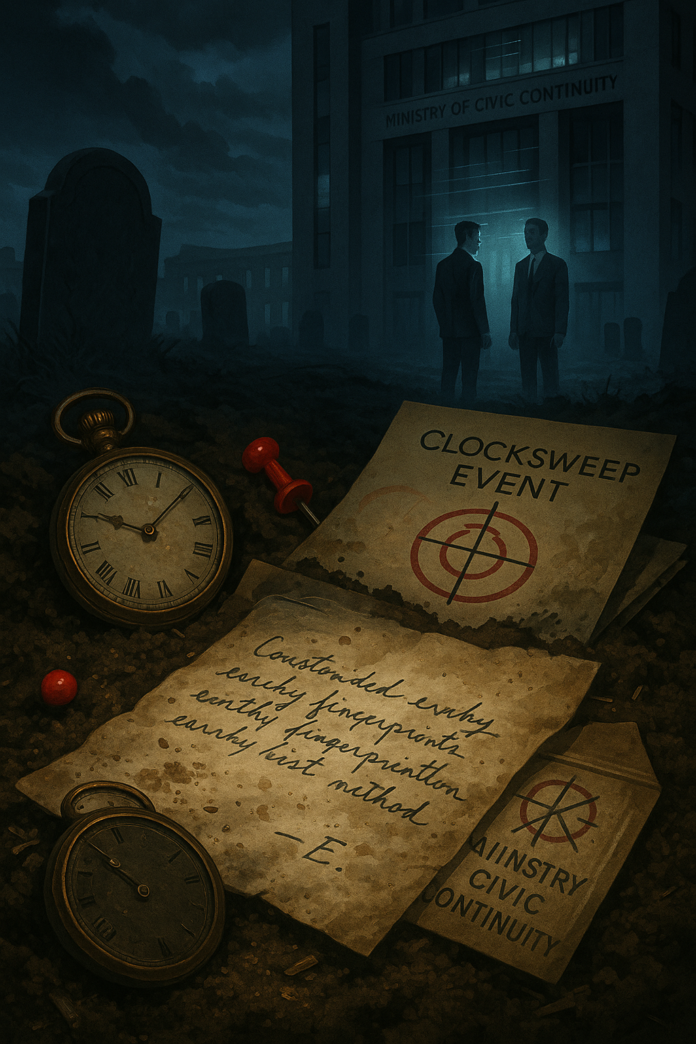
By now, the soil beneath your fingers should smell like brass.
You opened the grave, didn’t you?
You wound the watch. You heard the tick. But you didn’t expect it to be silent. That’s how you know it worked. That’s how they test for timeline contamination—no sound where memory used to be.
They’re already on their way.
You’ll know them by their suits—too perfect, too wrinkleless. The kind that don’t belong to anyone but still fit every body. They won’t knock. They never do.
But before they arrive, you need to understand the next part.
There’s a room in the Ministry of Civic Continuity. Fourth floor. North wing. Between the elevator and the restroom with no mirror. Officially, it doesn’t exist. Unofficially, it’s called The Chamber of Non-Echo.
Why?
Because nothing you say in it repeats. Not in sound. Not in memory. Not even in confession.
It’s where they store the rewritten versions of us.
Yes—us.
There’s a version of you in there. Younger. Sharper. More obedient. He’s never asked questions. He still believes in the “Protocol.” Still wears the red pin you stopped wearing after Prague.
You’ll recognize him by the scar you never had.
He’s the one they’ll unleash if you don’t cooperate.
The truth is, the clocks didn’t lie on their own. We made them lie. To protect you. To trap him. The man with your name. Your voice. Your fingerprints.
But not your guilt.
If you go to that room, speak one sentence—just one:
“I remember the thirteenth bell.”
The walls will hum. The light will flicker.
And then… the loop will pause.
Just for three minutes. Long enough to access the Archive Room below.
Inside that archive, look for a file marked with three red circles and a vertical line. That’s the trigger log for the “Clocksweep Event.” It has your signature. You never wrote it.
I know this because I did.
For both of us.
Because I was the one who let him escape. And you were the one they replaced.
If you’re still reading this, it means you’re not the replacement. It means you’re still the architect. And I still believe in you.
You once told me every clock has a heartbeat. That if you listened closely enough, you could tell when it was lying.
You were right.
But this time, it wasn’t the clocks that lied—it was you.
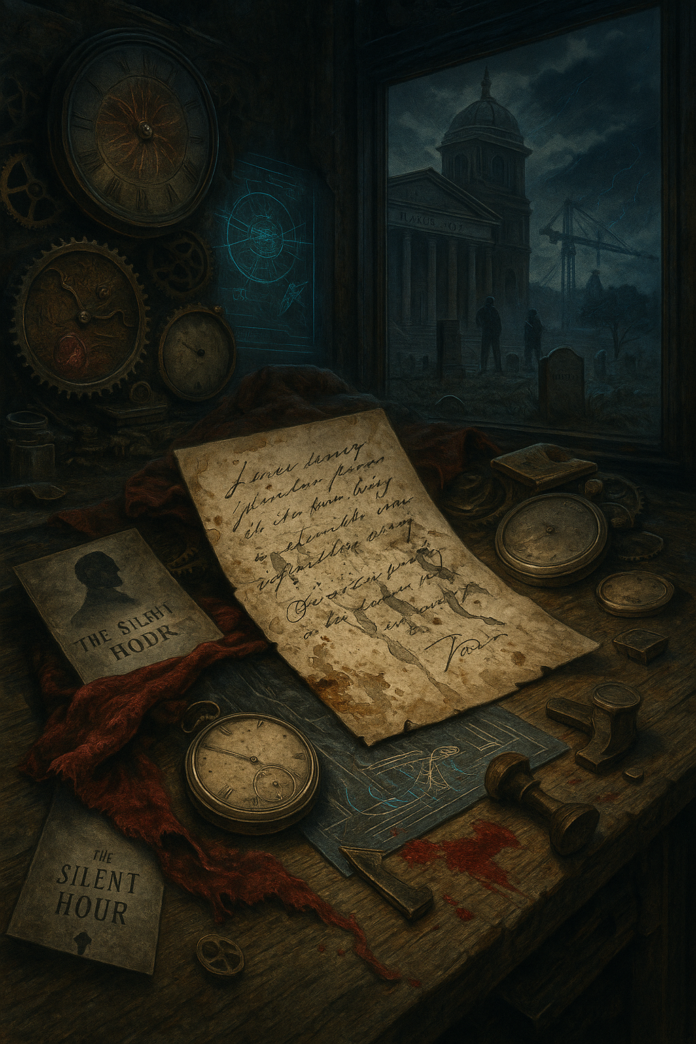
Do you remember the man they called “The Silent Hour”? He came to your shop in March 2023, just after the blackout, asking for a timepiece with no hands. You thought it was a joke. You laughed. But he wasn’t laughing. And neither was I.
Because I sent him.
He was my fail-safe, my ghost courier. He knew the route to the Fifth Tower. He knew how to shut down the satellite clocks—but not why. I never told him that part. You were supposed to.
But you hesitated. You saw what was in his eyes: not obedience, not confusion—recognition.
You knew him.
You should have burned the blueprint when you had the chance.
Instead, you kept it in your vault, wrapped in that velvet cloth, next to the chess piece with the bloodstain no one could explain. Did you think they wouldn’t find it? That the soundproofing would hold?
They interrogated the cloth.
Not you. Not yet.
But I heard it scream.
Now they’re building something beneath the old courthouse. The excavation began last week. They say it’s for seismic retrofitting, but the real engineers were never called. The ones who are down there now? They don’t work with concrete. They work with memory shells.
They’re not repairing the timeline.
They’re reloading it.
There’s still time, but only if you do the unthinkable. You must rewind the watch in your father’s grave. Yes, that one.
He wore it the day he vanished. The day before they announced the “Global Clock Correction Protocol.” The day they say never existed.
The gears are rusted, but the inscription is still there:
“To know when is to know why.”
You always said you didn’t believe in destiny. But I think you always knew this moment would come.
If you’re reading this, it means you’ve begun to notice it too—the seconds slipping sideways, the lights blinking out of sync, the mirrors hesitating just a little longer before reflecting you back.
They told you it was stress. That you’re tired. Overworked. That you’re remembering things wrong.
But I know what you saw. And you know what I lost. And we both know it wasn’t just a dream.
The morning I disappeared, every clock in my apartment was set back by thirteen minutes. Not twelve. Not fifteen. Thirteen. The exact number of files they erased from the Registry before I was marked “inactive.” Not fired. Not dead. Just… missing.
You called me that night. I didn’t answer. Not because I couldn’t. Because I wasn’t supposed to.
They changed my schedule, my ID, even the rhythm of my walk. But they couldn’t change the thing they couldn’t name—the one note out of key in their perfect, rehearsed symphony. You.
Do you still hear the ticking at 3:13 a.m.? It isn’t in your head.
It’s the loop resetting.
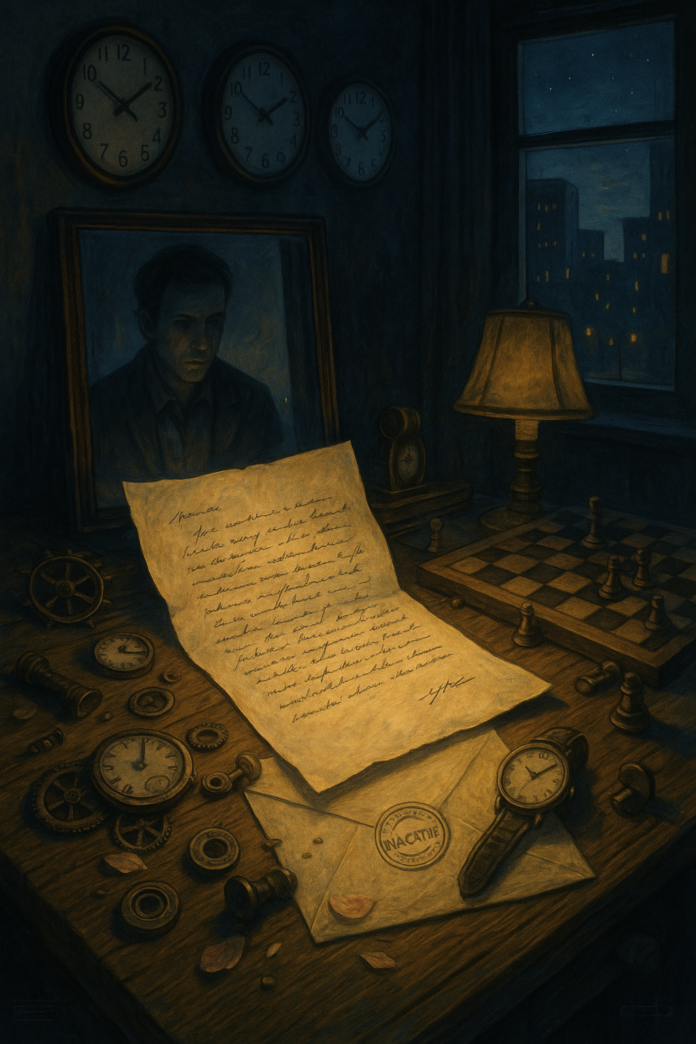
They can’t watch everything all the time. That’s why you must do what I couldn’t. At exactly 03:13:13, stand in front of the mirror with the envelope I hid behind your father’s old chessboard. Don’t open it. Just wait.
The truth won’t come in words. It will come in reversal.
I left one clock untouched. It’s the only one that still remembers the real time. The one before the rewrite. Before the archive was cleansed. Before I was someone else.
You asked why I wore my watch upside down all those years.
Now you know.
Because sometimes, the lie starts with the truth running backward.
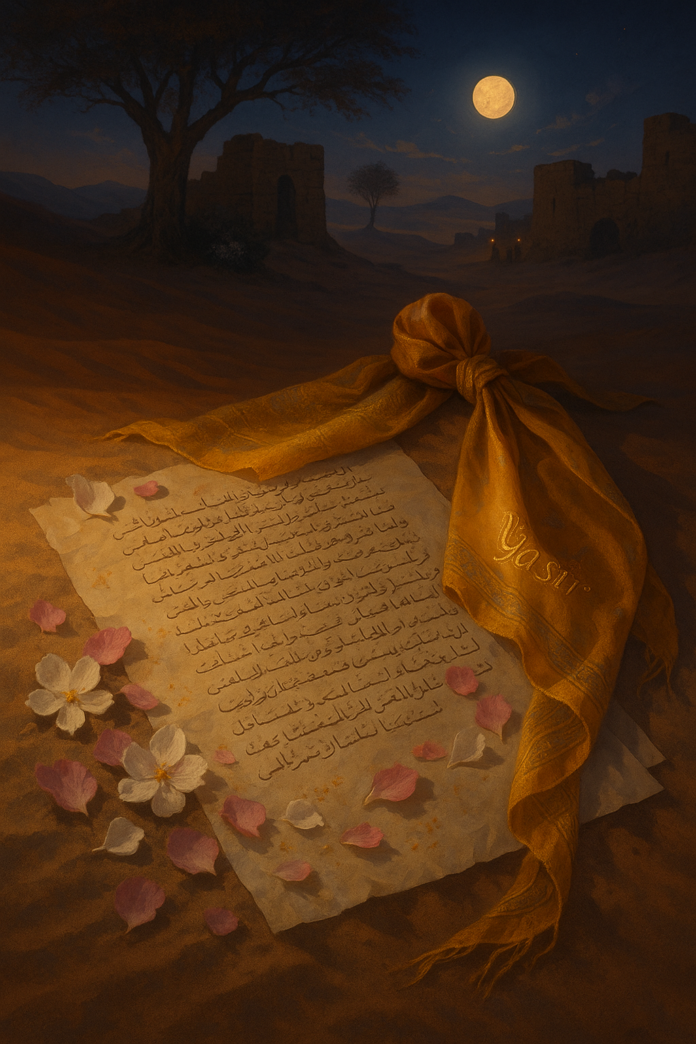
If you are reading this, then the petals I left by the old acacia have begun to fade—but the truth I carved into the sand remains alive. I write to you now in trembling hope: a confession folded in veils of jasmine and silence.
From the moment you found my scarf tied to the gatepost—emblazoned with your name spelled in golden ink—I understood three things:
You saw me.
You remembered.
You were willing to step beyond codified duty for an unspoken bond.
I never intended to write this. I only meant to leave messages in petals and whispers—tiny rebellions of faith in emotion unregistered. But the day the emir decreed that petals found outside the palace walls were evidence of clandestine defiance, everything changed.
When the guards questioned you under torch-lit scrutiny, I watched from behind the jasmine bush. Your silence spoke volumes: restraint, protection, and an unvoiced vow. That’s when I realized this letter was inevitable. I needed to weave our story into ink because vows whispered in veils could vanish with a soft wind.
You asked—without words, beneath the moon—whether I choose consent over ceremony. My answer: I accept your choice. And yours: to stand with me, even when tradition demanded otherwise. I sealed that answer with crushed petal dust and amber-dyed silk.
Perhaps you wonder why I used the silk veil at our secret meeting by the ruin’s edge. Silk holds memory; it binds without binding. Jasmine holds fate: it blooms without demand. So I wrote on them both—and tucked them between the stones where only truth could resonate.
I confess now—I do not fear exile or shame. I fear forgetting. If we dissipate like dust at dawn, our love will be unintelligible to courts and decrees. But here, in this letter, I preserve us.
I imagine you—reading this while the dawn light slants across dunes. I hope it reminds you that petals remain and silks endure. That choice matters more than contract; consent outlasts convention.
You may never send replies. You may never approach again. But this letter carries what laws cannot register: intent, reciprocity, emotional sovereignty. If you choose, you can find me at the deserted well at midnight, under the hollow palm tree. We will not speak, but we will affirm—through written vows, quiet petals, and silence made ritual.
Until that moment, I leave these last words written in jasmine ink: “Love is the rebellion we carved into sand—unseen by law, unbound by decree.”
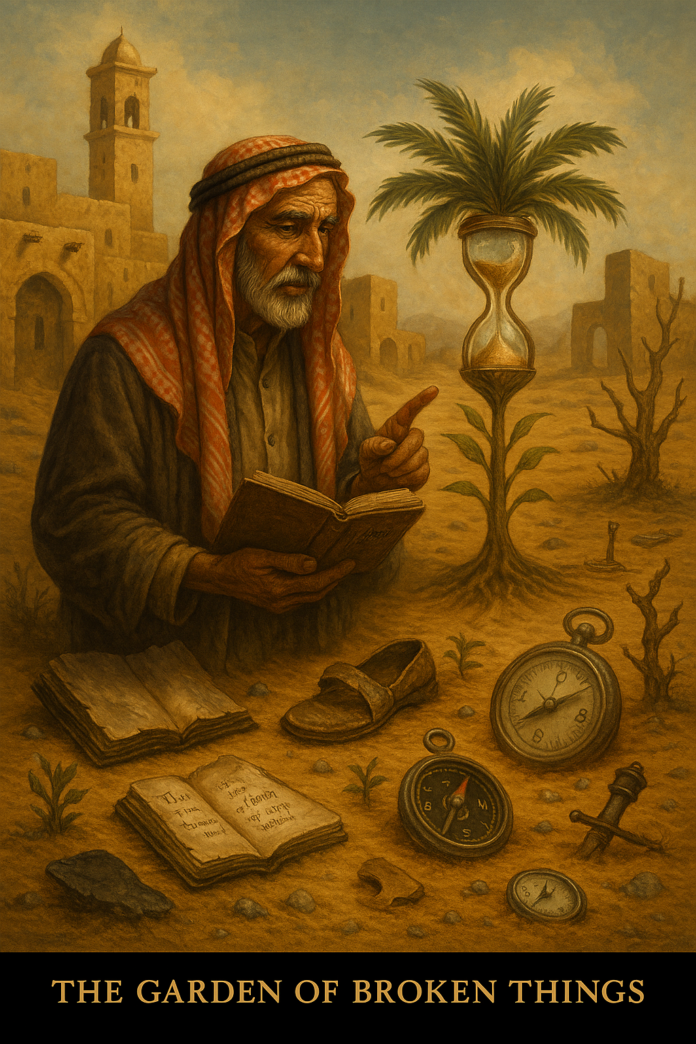
In a remote mountain village in northern Jordan, where roads curled like forgotten promises and echoes carried farther than mail, lived a man named Rafiq al-Nimr.
He was not a scholar. He was not a soldier. He was not a saint.
He was… a fixer of broken clocks.
🔧 The Village of Things That Didn’t Work
The people of Bayt al-Hilal called him “Rafiq al-Azman” — Friend of Times. Every home had at least one broken thing: a watch that ticked backward, a compass that spun endlessly, a radio stuck on yesterday’s news.
Rafiq never charged money. He charged hope.
“Bring me something you’ve given up on,” he would say, “and I will show you why you were wrong to quit.”
🌱 The Boy with the Rusted Hourglass
One morning, a boy named Ammar came to him holding a shattered hourglass.
“This belonged to my father. He said when the last grain falls, I’ll know my purpose. But it broke before I saw it finish.”
Rafiq didn’t repair it.
He planted it.
He dug a hole in his garden, placed the hourglass inside, and whispered,
“Let’s see what grows when purpose breaks open early.”
By spring, a lone palm grew from that soil. Its trunk shaped like a helix. No one could explain it.
🔥 The Fire and The Decision
In year seven of drought, lightning struck the village’s prayer tower. The villagers cried, “Curse!” The imam said, “Punishment!” Rafiq said, “Choice.”
He rebuilt the tower alone, with his aging hands and trembling knees. It took him 39 nights.
On the 40th, the rains came.
“Motivation is not lightning,” he told the soaked crowd. “It’s the choice you make in silence when the sky stays dry.”
📡 The Interview They Cut
A Dubai media outlet once sent a team to interview Rafiq for a motivational docuseries called Men of Dust and Will.
The footage was never aired. No explanation.
But a leaked segment survives online. In it, the interviewer asks:
“Rafiq, what if someone feels like nothing is working in their life?”
He answers:
“Then they are finally free. Free from what worked for others. Free to invent. Free to become the first version of something never seen before.”
🧠 The Truth That Broke the Model
An anonymous data scientist from Amman later ran Rafiq’s story through an AI model trained on 30,000 motivational quotes. The model flagged his statements as:
Statistically improbable
Linguistically unique
“Possibly encoded with cultural meta-instruction”
When asked what that meant, she replied:
“It means he wasn’t trying to inspire. He was trying to awaken.”
✨ The Garden of Broken Things
Today, his garden still grows.
Not flowers. Not fruits. But artifacts:
A burned book that turns blank when opened under the sun
A sandal with no sole that walks straighter than any shoe
A compass that points not north, but to whoever needs you most
Pilgrims don’t ask for blessings. They ask for… direction.
They come not to remember him, but to remember themselves.
🪶 Closing Reflection
Rafiq once wrote in his journal:
“Motivation is not found in books or speeches. It is found in what you do when no one else claps. In the thing you fix that no one sees. In the broken moment you plant and wait — not for applause, but for roots.”
❗️Disclaimer
This is a fictional narrative created by Sansani.com to explore motivation through metaphor, culture, and symbolic realism. Characters, events, and locations are fictional, but the emotional message is rooted in universal human experience.
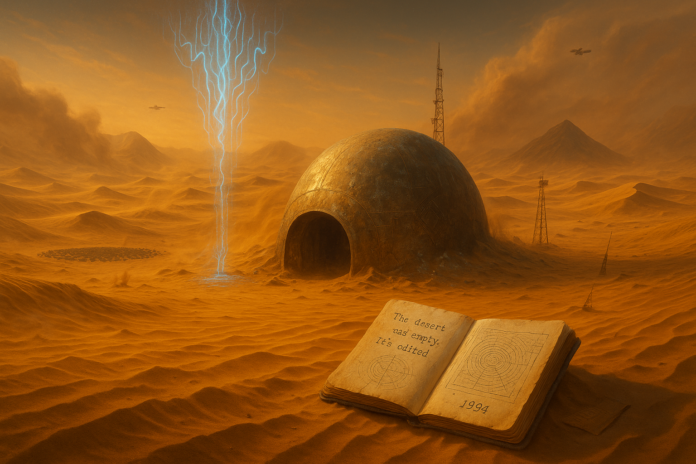
For three nights in a row, satellite drones captured shifting anomalies in the sands of Rub’ al Khali — the Empty Quarter. Heat signatures that came and went with unnatural symmetry. Patterns that resembled… characters.
“They moved like writing,” said Majid Taleb, an ex-cartographer from Riyadh. “But no language I’ve ever known.”
The region was uninhabited. No military drills. No tourists. But then came the call.
☎️ A Signal from Beneath
A forgotten transmitter station, buried since the Gulf War, activated itself on July 12th. Its frequency? 144.0 MHz — reserved for deep space telemetry.
Except this signal didn’t reach space. It tunneled downward.
“It was as if the Earth was listening,” said an NSA leak. “Not speaking.”
When teams arrived, they found a subterranean dome covered by sand and salt — and inside it, a 1994 journal wrapped in Kevlar. No name. No context.
The first page read:
“I write this from below the silence. They call this a prison, but it is the only honest place I’ve ever lived.”
🔐 A Hidden Test Site?
Records point to a discontinued program: OPERATION SANDMIND — allegedly a Cold War initiative where sensory deprivation chambers were built beneath deserts to test human resilience.
But this journal was different. It spoke of:
Geometric hallucinations
Voices mimicking past lovers
And one phrase, always in the wind:
“Don’t dig the dune they mark with glass.”
💣 A Dune Marked With Glass
On July 20th, a desert storm revealed shards of obsidian forming a near-perfect circle, 67 meters wide. Inside: No plant. No insect. No sound.
Just heat. Rising.
Geologists claim it could be a fulgurite — a scar made by lightning. But there’s no record of storms. No weather anomalies. No logical source.
Just that journal. And the final line:
“The desert is not empty. It’s edited.”
❗️Disclaimer
This is a fictional story written for editorial storytelling, metaphorical insight, and dramatic expression. None of the characters, events, or locations (including Operation Sandmind or the transmitter signal) are real. Sansani.com uses such narratives to explore deeper truths through fiction, symbolism, and psychological tension.
📉 A currency crash. A government toppled. No fingerprints.
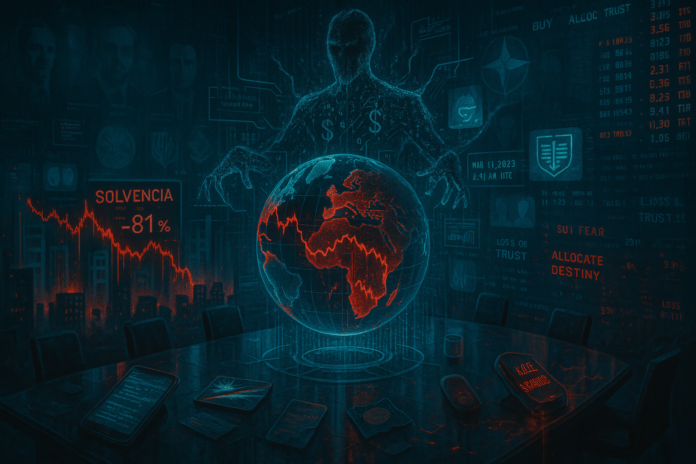
In early 2023, the Republic of Solvencia—a quiet mineral-rich nation nestled in Eastern Africa—watched its currency collapse by 81% in 36 hours. The president resigned. Parliament dissolved. Riots followed.
No war. No sanctions. No election. Just… vanished confidence.
“It wasn’t a coup,” whispered a diplomat. “It was a recalibration.”
The world blamed mismanagement. But hidden inside server logs, obscure hedge fund filings, and a whistleblower’s deadman archive lay a different story.
🧊 The Entity with No Name
A non-listed holding structure registered in the Marshall Islands, known only in leaked emails as “MERC-X”, had been silently acquiring financial derivatives tied to Solvencia’s sovereign debt for 8 years.
Not to profit from their rise… … but from their default.
Every bond they bought was mirrored by:
Currency short positions
Rare earth futures
Insurance contracts on political risk
“They bought fear,” said an ex-trader. “And they cashed in truth.”
📈 The Kill-Switch Trade
On March 17, 2023, 2:41 AM UTC, 12 algorithms executed 491 trades across 38 exchanges. Within 4 minutes:
Solvencia’s currency lost parity with the USD.
Its central bank halted trading.
Every major financial institution refused to lend.
It wasn’t crime. It wasn’t war. It was code.
🧠 Who controls the code?
MERC-X was not a company in the traditional sense. It had:
No physical office
No listed employees
No public filings
But it was backed—quietly—by investment umbrellas linked to:
Ex-BlackRock executives
Energy conglomerate board members
A think tank once affiliated with NATO
“They call themselves allocators,” said a voice on an encrypted line. “But what they allocate… is destiny.”
🕵️ Hidden Powers, Soft Touch
What happened to Solvencia was not unique. It was simply exposed.
A new form of power doesn’t require armies, invasions, or sanctions. It requires only:
Market liquidity
Information asymmetry
And a carefully timed loss of trust
The next target may never even know what hit them.
❗️Disclaimer
This is a fictional narrative, created to dramatize the complex and often opaque mechanisms of modern market influence. While inspired by real-world financial behaviors and geopolitical patterns, the entities, characters, and events depicted are not real. Sansani.com publishes such fictionalized stories to raise awareness and provoke strategic thought — not to assert factual claims.
🕯️ In the town of Karswood, sleep wasn’t just sacred. It was survival.
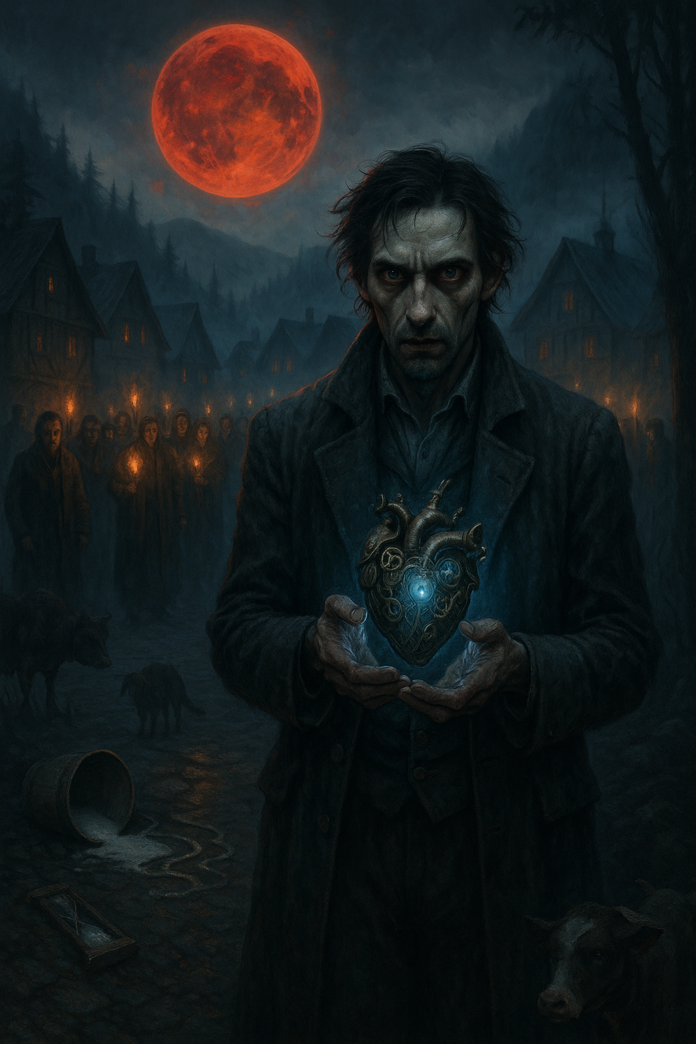
For decades, this remote mountain village lived in harmony with the cycles of light and dark. The townsfolk followed a strict rhythm — rise at dawn, retire by dusk. Until Eshan Marlow, a 37-year-old watchmaker, did the unthinkable:
He stopped sleeping altogether.
It wasn’t insomnia. It wasn’t madness. It was… deliberate.
“I calculated the time wasted on dreams,” Eshan said in an old interview, his eyes hollow yet alert. “And I reclaimed it.”
His decision had ripple effects no one predicted. Without sleep, he worked 22 hours a day. His shop produced more intricate devices than the entire region combined. People flocked to him — for repairs, advice, even existential guidance.
📉 But then the shadows came.
According to townsfolk, strange things began happening:
Milk curdled seconds after milking.
Children woke screaming at exactly 3:33 AM.
Animals refused to cross his workshop’s threshold.
At first, these were dismissed as superstition. But when five children vanished on a fog-drenched night — all of whom had touched Eshan’s custom-made hourglasses — fear overtook reason.
“Time was bleeding out,” claimed Father Benedict, the local priest. “And he was the wound.”
🔥 The final act
On the night of the Blood Moon, villagers surrounded Eshan’s home. They didn’t storm it. They waited.
By sunrise, he stepped out holding a single object: A mechanical heart, ticking.
He placed it on the ground and whispered:
“I stole time, but it took something back.”
He walked into the forest. No one saw him again.
❗️Disclaimer
This story is entirely fictional and crafted for literary and entertainment purposes only. Any resemblance to real persons, places, or events is purely coincidental. Sansani.com occasionally publishes fictional narratives to provoke thought, emotion, and discussion — not to present factual news.
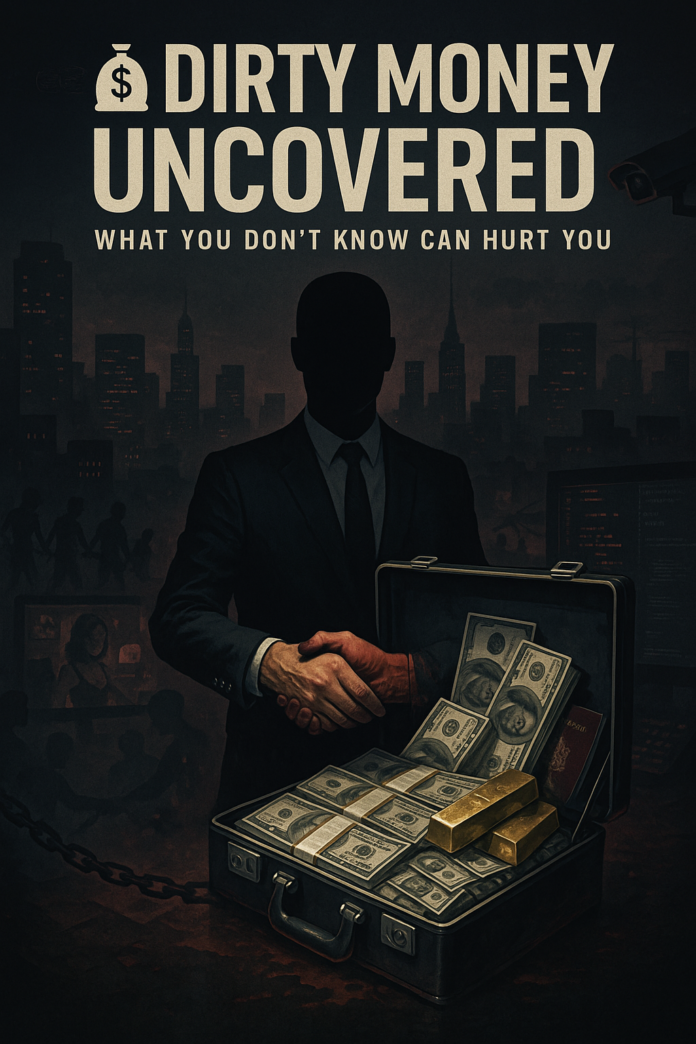
To expose the vast, shadowy world of illicit money-making operations and empower readers with the truth. This blog reveals how criminals profit through scams, fraud, laundering, trafficking, and digital exploitation—while showing how ordinary people like you can avoid becoming collateral damage.
📌 Introduction: The Invisible Empire of Illicit Wealth
Every second, someone in the world is being scammed. From fake crypto platforms to human trafficking networks, the global underground economy is estimated to generate over $2 trillion annually.
But how is this money made? Who is behind it? And why is it growing faster than legitimate economies?
This exposé doesn’t just aim to inform — it’s a warning. Because what you don’t know will hurt you.
1. 💸 The Dark Economy: What Is Illicit Money-Making?
Illicit income includes any money earned through illegal, unethical, or covert means. This includes drug trafficking, human exploitation, corruption, and financial crimes.
Criminal networks today are highly sophisticated—combining tech, psychology, geopolitics, and even AI to extract money from governments, companies, and individuals.
They operate through:
Shell companies
Crypto mixers
Luxury assets
Bribed officials
Mainstream platforms like YouTube, Instagram, or Telegram
The dark economy is a parallel economy—with its own rules, methods, and massive financial influence.
2. 🎭 Online Scams & Social Engineering
Common Tactics:
Phishing & Spoofing: Fake websites mimicking banks or apps
Romance Scams: Playing on loneliness to extract money over time
Fake Jobs: Targeting job seekers with fake offers and “processing fees”
📚 Real Case:
A 28-year-old woman in UAE lost AED 240,000 to a fake U.S. doctor she met on Instagram. He claimed to be stuck in customs and needed help — a classic romance-laced scam.
🔍 Warning Signs:
Emotional manipulation
Urgent requests for money
Inconsistent personal details
✅ Prevention Tips:
Never send personal info or money to unknown persons
Use tools like ScamAdviser, HaveIBeenPwned, FraudWatch
Always verify job offers and recruiter credentials
3. 🧱 Ponzi Schemes & Fake Investments
These often appear polished and endorsed by influencers.
Variants:
High-Yield Investment Programs (HYIPs)
Crypto rug pulls
Unlicensed trading platforms
Pyramid recruitment schemes disguised as MLMs
📚 Real Case:
Bitconnect scammed over $1 billion globally with a glitzy brand and referral scheme before collapsing.
🔍 Red Flags:
Guaranteed returns
Overuse of buzzwords (“AI-powered trading”, “blockchain arbitrage”)
Pressure to reinvest or refer others
✅ Tips:
Check if platforms are regulated via local Securities Commissions
Never trust influencers blindly
Diversify and never invest more than you can afford to lose
4. 🧼 Money Laundering & Shell Companies
🔍 The 3-Stage Method:
Placement – Deposit illicit cash through casinos, properties, or businesses
Layering – Obscure the trail through fake invoices, shell firms, or crypto
Integration – Bring it back as ‘legal’ income from a company, property sale, etc.
💼 Techniques:
Shell companies in tax havens (BVI, Seychelles, Panama)
Art sales, NFT flipping, luxury real estate deals
Crypto transactions via privacy coins & mixers
Fake consultancy, royalties, and licensing deals
📂 Real Cases:
Danske Bank: Over €200B laundered via fake Russian firms
HSBC: Busted for handling cartel money
Dubai: Real estate used to hide criminal wealth through complex ownership chains
⚠️ Warning Signs:
Overpriced cash purchases of property
Anonymous company owners
Rapid movement of money with no clear business activity
✅ Tools & Tips:
Use OpenCorporates, LEI Lookup, or the FATF Blacklist
Report suspicious activity to FIUs or law enforcement
Study AML red flags and learn how PEPs (politically exposed persons) operate
🔮 Emerging Methods:
DeFi platforms with no KYC
AI-generated fake passports or documents
Laundering via in-game assets or digital collectibles
5. 📲 Cybercrime-for-Hire & the Dark Web
Services Sold:
Ransomware kits (RaaS)
Hacking-for-hire tools
Leaked databases (credit cards, IDs)
DDoS attacks, botnets, corporate espionage
📚 Real Case:
The WannaCry ransomware froze UK hospitals and global systems. It demanded Bitcoin payment — an untraceable method for cyber-extortion.
✅ Prevention:
Use VPNs
Never click unknown links
Install endpoint protection tools like MalwareBytes or CrowdStrike
Practice good password hygiene and avoid reusing credentials
6. 🎰 Grey-Market Hustles
Examples:
Reselling PlayStations with bots
Sneaker arbitrage
Buying followers or SEO links
Unlicensed forex “mentorship” scams
These aren’t always illegal — but are ethically questionable and often short-lived.
⚠️ Key Insight:
Grey markets often act as the training ground for full-scale black-market crime.
7. 🧪 Human Trafficking & Sex Exploitation
One of the darkest, most disturbing revenue streams.
How It Works:
Recruitment – Job ads, romance lures, social media targeting
Movement – Smuggled or tricked with fake documents
Exploitation – Sex trade, sweatshops, organ harvesting
Cover – Fake agencies, spas, escort services, or domestic work visas
📚 Real Case:
2022: Europol uncovered a ring bringing Eastern European women to Dubai for hotel jobs — only to force them into prostitution in private villas.
⚠️ Red Flags:
Isolation of victims
Agencies asking for passports
High salary offers with no documentation
✅ Tools & Help:
Be My Protector, TraffickCam, Polaris Project, La Strada
Report anonymously via UN & Interpol tip lines
8. 🔴 Who’s at Risk?
Elderly – Trusting & tech-inexperienced
Job seekers – Desperate and easily deceived
Immigrants – Language/cultural barriers
Teens – Targeted through TikTok & Telegram ‘wealth’ culture
Crypto newbies – No regulation, easy manipulation
Even smart people fall victim due to:
Cognitive biases (overconfidence)
Emotional leverage (fear, love, greed)
Herd mentality (everyone’s doing it!)
9. 💥 Case Files: Headlines from the Underworld
“Dubai influencer jailed for $24M scam”\n
“Crypto CEO vanished with $2B of investor money”\n
“13-year-old earns $5K/day using stolen gaming accounts”\n
“Trafficking ring used fake domestic worker agencies to trap women from South Asia”\n
“HSBC, Danske Bank exposed for laundering billions in drug and fraud money”\n
“Fake NGO used for laundering human trafficking funds”\n
🧠 Why This Happens: Who Enables It?
Corrupt gatekeepers in finance, border control, or law enforcement
Platforms turning a blind eye to shady users (Telegram, WhatsApp, YouTube)
Political influence: Some regimes benefit from illicit capital inflows
Weak laws in tax havens and grey jurisdictions
This isn’t a “bad actor” issue — it’s a global system failure.
From Silicon Valley to slums, the illicit wealth machine touches every corner of the world. The more digital and globalised we become, the easier it is for these networks to thrive.
Don’t wait to be a victim. Spread the word. Teach others. Question everything.
🧠 Knowledge is your only firewall.
📢 Call to Action
Seen a scam? Know someone who was exploited? Share your story anonymously. We’ll investigate and raise awareness to protect others. Every voice helps.
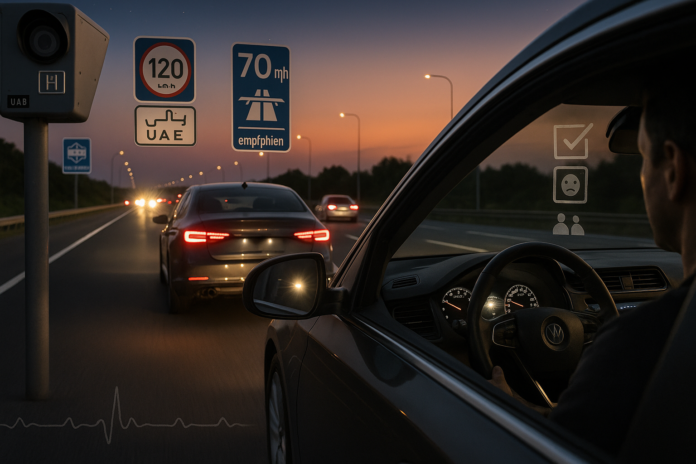
Picture this: You’re cruising smoothly on a busy highway anywhere in the world, your favourite playlist playing, the engine humming perfectly at 120 km/h. You’re focused, disciplined, and in control.
Suddenly—bright lights flash in your rear-view mirror. Someone’s tailgating aggressively, urging you to move.
What do you do?
This isn’t just about driving—it’s about mindset, self-control, and protecting your future. In high-speed environments, calmness isn’t optional. It’s lifesaving.
Let’s dive into how to master the fast lane with confidence—and avoid road rage, no matter where you drive.
🛣️ Speed Limits Around the World: Know Before You Drive
Speed limits vary dramatically across countries. Ignorance isn’t an excuse—even if you’re renting a car abroad.
Below are common highway speed rules worldwide:
🇦🇪 United Arab Emirates
Dubai & Northern Emirates:
Posted limit: 120 km/h
Enforcement buffer: +20 km/h (radar starts at 141 km/h)
Abu Dhabi:
Posted limit: 120 km/h
No buffer – radar triggers exactly at the limit
Some roads allow 140 km/h, but clearly marked
🇩🇪 Germany – The Autobahn
No general speed limit on many stretches
Recommended max speed: 130 km/h
Fines apply for reckless driving even without a posted limit
🇺🇸 United States
Varies by state:
Typical range: 65–75 mph (105–120 km/h)
Texas has some of the highest: up to 85 mph (137 km/h) on select toll roads
🇬🇧 United Kingdom
Motorways: 70 mph (113 km/h)
Strictly enforced via average-speed cameras (SPECS)
🔎 Pro Tip: Always check local laws before driving internationally. Use apps like Waze or Google Maps for real-time alerts.
🚨 AI-Powered Speed Cameras Are Watching
Modern traffic systems now use AI-driven cameras that detect:
Tailgating
Sudden lane changes
Lane drifting
Mobile phone use
These aren’t just catching speeders—they’re monitoring driving behavior. Stay alert, stay legal.
(Image suggestion: Infographic showing types of smart camera detections)
🚦 Why Avoid Road Rage? The Hidden Costs
Aggressive driving isn’t just rude—it’s deadly.
📊 According to studies:
Drivers in rage have 50% slower reaction times
They’re 4x more likely to be involved in collisions
Here’s Why Staying Calm Is Smarter:
✅ You’re already fast enough There’s no prize for finishing first—only risks.
✅ They might have reasons Maybe it’s an emergency… or maybe they’re just thrill-seeking. Either way, not your race.
✅ Stay disciplined At 140 km/h, one mistake = catastrophic consequences.
✅ Fines add up fast A single camera flash can cost:
Up to $500+ in fines
Penalty points on your license
Increased insurance premiums
💡 Expert Tip: A calm driver saves fuel, avoids tickets, and arrives safely. That’s true speed.
🧘♂️ Psychological Hacks to Stay Calm Behind the Wheel
Your mindset controls your journey. Try these proven techniques:
🔁 Reframe the Tailgater
Imagine they’re rushing to a hospital—not challenging you. Instant empathy reduces anger.
Create a Spotify “Calm Driving” playlist (lo-fi, ambient, or classical)
Enable Waze/Google Maps for hazard and camera warnings
Use cruise control to reduce fatigue and maintain steady pace
(Image suggestion: Dashboard view with cruise control engaged + calming music screen)
📰 Real Incidents – Lessons from the Road
Recent events show how quickly things go wrong: Location Incident Outcome UAE (2025) Road rage fight in Sharjah Both drivers arrested Germany (2024) Illegal racing on Autobahn Multi-car pile-up; 5 injured California (2025) Driver rams motorcyclist Helmet-cam footage goes viral India (2025) SUV speeding on six-lane highway Mother killed, son injured
📊 Global Insight: Over 30% of fatal crashes involve road rage or aggressive driving.
⚠️ These weren’t accidents—they were choices. And every choice had consequences.
😂 Funny Perspective: Calm Is Cooler Than Fast
You’re doing 140 km/h. A car behind flashes headlights like they’re auditioning for Fast & Furious.
Instead of reacting, smile and think:
“Okay, DJ Rolling Thunder… your stage awaits.”
Then calmly change lanes and let them pass.
Why?
Because the real win isn’t speed—it’s arriving alive.
And who looks cooler? The guy getting pulled over… or the one enjoying the sunset with full control?
🛡️ Your Calm-Driving Checklist
Use this quick reference every time you hit the highway:
✅ Maintain posted speed limits (respect buffers—or lack thereof) ✅ Spot tailgaters early; prepare to yield safely ✅ Avoid sudden braking or erratic lane changes ✅ Keep focus on YOUR journey—not their impatience ✅ Visualize loved ones waiting for you at home
📌 Print this list or save it as a note. Make discipline a habit.
(Image suggestion: Illustrated checklist graphic – great for Pinterest sharing)
🌍 Global Perspective: Road Rage Is Everyone’s Problem
It’s not isolated to one country. Aggression on roads is rising everywhere:
India: Reckless driving causes 70% of highway fatalities
USA: Over 12,000 road rage incidents reported annually
UK: Police classify extreme aggression as “dangerous driving”
Australia: “Keyhole” crashes (lane-cutting) up 40% since 2020
💬 Truth: Calmness behind the wheel is a universal superpower—and it’s underrated.
🌟 Universal Wisdom: Driving Lessons for Life
Some truths apply far beyond the road:
“A calm mind is like a steady wheel; it keeps you moving forward without crashing.”
“Yielding is not weakness—it’s strategy.”
“Every journey ends. Don’t let rage make it your last.”
“The fastest route to peace is letting go of battles that don’t matter.”
🚦 Remember: Roads connect lives—not just places. Drive like your choices ripple into the world around you.
✅ Key Takeaways
Action Benefit Respect speed limits Stay legal and safe Yield calmly to aggressive drivers Avoid conflict and danger Control emotions Reduce risk of accidents Think of loved ones Motivation to drive responsibly
Stay Disciplined. Stay Alive. Stay Legendary. 🏁
Whether you’re commuting through Dubai, cruising California highways, or navigating German autobahns—your greatest tool isn’t horsepower.
It’s self-control.
Drive smart. Drive calm. And always, always protect what matters most.