Exclusive Content:

Can Police Enter Your House Without a Warrant? Legal Rules Explained

Quick Answer In many legal systems, police generally cannot enter...

Can Police Search Your Phone Without Permission? Legal Rules Explained

Quick Answer In many countries, police generally cannot search your...

Can You Return to a Country After Being Deported? Legal Rules Explained

Quick Answer Yes, it may be possible to return to...
Home Blog Page 55

Tackling Corruption and Bribery: Key Problems and Practical Solutions

0

Corruption and bribery can severely harm societies, eroding trust in governance, wasting public resources, and undermining fair competition. Today, we’ll discuss three prevalent corruption-related issues—favoritism, bribery in permits, and lack of financial transparency—and explore practical solutions to address them effectively.


🔴 Common Problems Related to Corruption & Bribery

1. Favoritism and Nepotism in Awarding Contracts

When contracts are awarded based on personal connections rather than merit, it fosters an environment where quality suffers and public trust erodes.

  • Example: Construction projects awarded to companies due to relationships rather than competence, leading to substandard infrastructure.

2. Bribery in Obtaining Permits and Licenses

Bribes are often demanded or offered to expedite processes for obtaining business licenses or permits, creating unfair competitive advantages.

  • Example: Small businesses pressured into paying extra to avoid bureaucratic delays.

3. Lack of Transparency in Financial Dealings

Opaque financial processes hide unethical transactions and facilitate misuse of funds.

  • Example: Government expenditures or contract details hidden from public scrutiny, allowing corruption to flourish unnoticed.

🟢 Practical Solutions Using Technology and Transparency

✅ 1. Blockchain-Based Contracting

  • Solution: Utilize blockchain technology to create a tamper-proof and transparent digital ledger of all public contracts.
  • Benefit: Eliminates favoritism and nepotism by making contract awarding decisions publicly accessible, traceable, and immutable.

✅ 2. AI-Driven Permit and Licensing Systems

  • Solution: Automate permit and license issuance using AI and blockchain-based smart contracts.
  • Benefit: Removes opportunities for bribery by eliminating unnecessary human intervention and speeding up processes.

✅ 3. Transparent Financial Reporting via Blockchain

  • Solution: Implement blockchain platforms to publicly record and track all government financial dealings.
  • Benefit: Enhances public trust and accountability by providing real-time visibility into every transaction, leaving no room for hidden fees or payments.

🚀 Why It Matters

Addressing corruption through transparency, AI, and blockchain solutions not only improves governance but also fosters a healthier economic and social environment. Citizens gain trust, businesses enjoy fair competition, and resources are efficiently utilized for the public good.

Corruption isn’t inevitable—it’s preventable. Let’s commit to transparent and accountable governance for a better future.


✨ Support Our Mission

If you believe in fighting corruption and promoting transparency through innovative ideas, support our work.

Every contribution helps us continue to produce impactful content.

👉 Click Here to Support

Overcoming Bureaucratic Inefficiency: Key Problems and Practical Solutions

0

Bureaucratic inefficiency remains one of the most frustrating obstacles facing businesses, citizens, and governments worldwide. Slow, complicated, and redundant processes can hinder growth, foster corruption, and reduce public trust in governance. In this blog, we outline common bureaucratic problems and provide practical, actionable solutions for creating a more efficient, transparent administrative environment.


🚩 Common Problems of Bureaucratic Inefficiency

1. Favoritism and Delays in Awarding Contracts

Contracts and licenses often require multiple layers of approval, leading to delays and increased potential for favoritism and bribery.

  • Example:

    A construction company waits months for a permit, losing opportunities or facing temptations to expedite approvals through unofficial payments.

2. Excessive Documentation and Paperwork

Manual and paper-based systems slow down processes, making them prone to errors, loss of documents, and increased processing time.

  • Example:

    Citizens or businesses submitting the same information to multiple government departments repeatedly, resulting in inefficiency and frustration.

3. Lack of Transparency in Administrative Processes

Without transparency, delays and inefficiencies remain unchecked, creating opportunities for corruption and abuse.

  • Example:

    Lack of public clarity in license approvals, causing suspicions of preferential treatment and discouraging new businesses.

4. Complexity of Regulatory Approvals

Multiple layers of approvals across different departments lead to redundancy and confusion.

  • Example:

    Business startups navigating through multiple agencies and approvals, significantly slowing down launch timelines and innovation.

5. Ineffective Communication Channels

Unclear communication between departments and citizens further delays administrative processes.

  • Example:

    Citizens struggling to access accurate information on how and where to apply for permits, leading to inefficiencies and frustration.


🟢 Practical Solutions to Combat Bureaucratic Inefficiency

To overcome these challenges, innovative approaches involving technology, transparency, and streamlined governance are necessary:

✅ 1. Implementing Blockchain-Based Smart Contracts

  • How it Works:

    Digitalize approvals through blockchain-driven smart contracts, automatically executing transactions when predefined conditions are met.

  • Example:

    Estonia’s e-government initiatives using blockchain smart contracts to process business registrations instantly, minimizing delays and corruption opportunities.

✅ 2. Introducing AI-Driven Automation

  • How it Works:

    Use artificial intelligence for document management, data validation, and administrative tasks, drastically reducing paperwork and human errors.

  • Example:

    AI algorithms handling document verification in countries like Singapore, reducing waiting times from weeks to days or even hours.

✅ 3. Centralized Digital Platforms

  • How it Works:

    Develop unified online platforms for all administrative procedures, allowing transparent, efficient processing accessible in real-time.

  • Example:

    Estonia’s e-governance platform or UAE’s digital ID systems (UAE Pass), providing rapid, centralized digital approvals, greatly speeding up business licensing and registration processes.

✅ 4. AI-Powered Chatbots and Virtual Assistants

  • How it Works:

    Use AI assistants to provide clear, fast answers on regulatory processes and document submission, making complex procedures easy to understand and follow.

  • Example:

    Government portals incorporating AI chatbots to handle citizen inquiries and assist in navigating administrative processes more smoothly.

✅ 4. Transparent Blockchain-Based Public Records

  • How it Works:

    All government processes and transactions publicly recorded on a blockchain-based ledger, promoting transparency and accountability.

  • Example:

    Estonia’s use of blockchain technology to track all government transactions and financial dealings transparently, increasing public trust.


🔑 Why Solving Bureaucratic Inefficiency Matters

  • Economic Growth: Efficient processes encourage business development and entrepreneurship.
  • Public Trust: Transparent and simplified bureaucracy increases public confidence in governance.
  • Corruption Prevention: Clear, automated systems significantly reduce opportunities for corruption and favoritism.

Bureaucratic inefficiency is solvable. Through technology, innovation, and transparency, governments can create a more trustworthy, efficient, and vibrant environment for citizens and businesses alike.


✨ Support Our Mission

If you appreciate content focused on solving significant societal problems through bold and innovative ideas, consider supporting our efforts. Every contribution, no matter how small, enables us to continue sharing impactful insights.

👉 Click Here to Support

Boosting Public Participation: How to Solve the Challenge of Inadequate Citizen Engagement

0

Public participation is critical to effective governance. When citizens actively participate, governments make better decisions, build greater trust, and create communities that truly reflect people’s needs. Yet many governments today struggle with low citizen engagement, limiting the effectiveness of their policies and initiatives. Below, we explore the key problems associated with inadequate public participation and present actionable solutions to enhance citizen involvement.


🔴 Common Problems Related to Inadequate Public Participation

1. Limited Opportunities for Citizen Involvement

Citizens often have minimal channels to actively engage with decision-making processes, leading to policies that fail to reflect their true needs.

  • Example:

    Urban projects planned without genuine community consultation, resulting in dissatisfaction or disconnected developments.

2. Lack of Accessible Information

Complex bureaucratic processes make it difficult for citizens to access information needed to effectively participate.

  • Example:

    Residents unsure about upcoming urban development plans due to poor communication from local authorities.

3. Absence of Effective Feedback Channels

Citizens’ suggestions or complaints often go unheard, leading to frustration and apathy.

  • Example:

    Limited platforms for citizens to voice concerns about local infrastructure, causing issues to persist unaddressed.

4. Tokenistic Participation Methods

When governments provide participation opportunities, they’re often symbolic rather than meaningful.

  • Example:

    Public meetings conducted merely as formalities, without genuinely considering community input.


🟢 Practical Solutions to Increase Public Participation

Here are practical, technology-driven solutions to help boost genuine public involvement:

✅ 1. Blockchain-Powered Voting Platforms

  • Solution:

    Implement blockchain-based platforms for public voting on local projects, ensuring transparency and accountability.

  • Benefit:

    Citizens see their votes transparently recorded and counted accurately, increasing trust and engagement.

✅ 2. AI-Enabled Digital Feedback Systems

  • Solution:

    Deploy AI-driven tools that analyze citizen feedback and respond to public concerns in real-time.

  • Benefit:

    Citizens receive timely responses, enhancing trust and encouraging active involvement.

✅ 3. Online Public Engagement Portals

  • Solution:

    Establish easy-to-use online portals for citizens to access information and contribute ideas seamlessly.

  • Example:

    Platforms like Singapore’s online feedback systems that enable community discussions and idea submission.

✅ 4. Transparent Community Decision-Making through AI Analysis

  • Solution:

    Use AI tools to analyze community preferences and demographics, providing valuable insights into urban planning and public policy decisions.

  • Benefit:

    Ensures planning decisions are responsive to community needs and backed by clear data.

✅ 5. Regular Virtual Town Halls and Forums

  • Solution:

    Conduct virtual meetings and forums to allow easy, inclusive participation from diverse community members.

  • Example:

    Online webinars regularly hosted by cities like Amsterdam, making public participation convenient and accessible.


🔑 Why Increased Public Participation Matters

  • Strengthened Democracy: Active citizen engagement creates stronger democratic institutions.
  • Enhanced Community Trust: Transparency and responsiveness build greater trust between governments and communities.
  • Improved Decision-Making: Policies developed with community input better align with actual public needs, leading to greater success and satisfaction.

🚀 Final Thoughts:

Public participation isn’t just beneficial—it’s essential. Governments can significantly improve governance outcomes by implementing transparent technologies, accessible communication platforms, and genuine feedback mechanisms. Citizens who feel heard are citizens who actively contribute to a thriving society.


✨ Support Our Work – Fuel More Bold Ideas

If you appreciate our insights and want more impactful content exploring solutions to pressing societal problems, consider supporting us. Every contribution makes a difference!

👉 Click Here to Support

Strengthening Accountability: Solving Problems of Weak Enforcement and Ineffective Oversight

0

Weak accountability undermines trust, erodes public confidence, and fuels corruption. Governments that struggle to consistently enforce laws, effectively monitor public officials, and adequately respond to unethical behavior risk losing credibility and effectiveness. Below, we explore key problems associated with weak accountability and outline practical, innovative solutions that promote fair and transparent governance.


🔴 Common Problems Caused by Weak Accountability

1. Inconsistent Application of Laws and Regulations

  • Issue: Selective or uneven enforcement undermines public trust and fairness.
  • Example: Favoritism in enforcing zoning laws, allowing influential entities exemptions while penalizing smaller businesses.

2. Ineffective Monitoring of Public Officials and Entities

  • Issue: Limited oversight permits unethical or corrupt behavior to go unnoticed.
  • Example: Government officials misusing funds due to inadequate supervision, resulting in public resources being mismanaged.

3. Limited Consequences for Unethical Behaviors

  • Issue: Weak consequences fail to deter unethical actions.
  • Example: Public officials continuing unethical practices without fear of serious penalties or repercussions.

🟢 Practical Solutions to Enhance Accountability and Oversight

Below are clear, actionable solutions leveraging innovative technology to strengthen accountability:

✅ 1. Blockchain-Based Transparency

  • Solution: Use blockchain technology to create an immutable record of public official actions, financial transactions, and government decisions.
  • Benefit:

    Ensures transparent records, making it harder for unethical behavior to remain hidden.

✅ 2. AI-Enhanced Compliance Monitoring

  • Solution: Implement AI-driven systems to continuously monitor compliance with laws and regulations.
  • Benefit: Automatically identifies inconsistencies, bias, or selective enforcement in real-time, improving fairness.

✅ 3. Digital Oversight and Audit Systems

  • Solution: Adopt AI-driven auditing systems to monitor officials and public entities continuously.
  • Example: AI audits automatically flag irregularities in financial transactions, prompting immediate investigation.

✅ 4. Clear and Consistent Consequences for Unethical Behavior

  • Solution: Establish transparent, well-publicized penalties enforced through automated digital systems.
  • Benefit: Transparent blockchain records clearly document offenses and penalties, deterring misconduct.

✅ 5. AI-Enabled Whistleblower Platforms

  • Solution: Implement secure, anonymous AI-powered reporting platforms for unethical behavior.
  • Benefit: Encourages whistleblowing without fear of retaliation, significantly increasing monitoring efficiency.

🔑 Why Strengthening Accountability Matters

  • Improved Public Trust: Transparent enforcement of laws restores citizens’ confidence in governance.
  • Reduced Corruption: Real-time digital monitoring and clear consequences significantly reduce unethical practices.
  • Enhanced Efficiency: Effective oversight ensures optimal use of public resources, benefiting society overall.

🚀 Final Thoughts

Accountability is essential to effective governance. By addressing the inconsistent application of laws, ineffective oversight, and limited consequences for unethical behaviors with innovative technologies such as blockchain and AI, governments can create stronger, fairer, and more trusted public institutions.


✨ Support Our Mission – Champion Bold Ideas

If you believe in transparent, fair governance and innovative solutions to societal challenges, support our work today.

👉 Click Here to Support

Bridging the Digital Gap: Solving Problems of Bureaucratic Inefficiency with Technology

0

Inefficient bureaucracy often results from outdated systems and inadequate technology integration. As governance becomes increasingly complex, traditional administrative processes struggle to keep pace. In this blog, we’ll address three critical problems arising from bureaucratic inefficiency and propose practical technology-driven solutions to streamline public administration.


🔴 Key Problems in Digital Infrastructure and Governance

1. Slow Administrative Processes Due to Insufficient Digitalization

  • Issue: Manual, paper-based processes cause significant delays, impacting productivity.
  • Example: Businesses face long waiting times when registering due to paperwork-heavy, manual approval processes.

2. Multiple Approvals Causing Administrative Delays

  • Issue: Excessive bureaucratic layers slow down essential public services and permit approvals.
  • Example: A business license that should take days to issue instead takes weeks due to multiple departments involved.

3. Inefficient Use of Public Resources

  • Issue: Poorly integrated systems lead to wasted financial and human resources.
  • Example: Redundant data entry and unnecessary paperwork increase costs and reduce efficiency.

🟢 Practical Solutions with Innovative Technology

Addressing bureaucratic inefficiency requires integrating modern technologies like blockchain and AI. Here are effective solutions:

✅ 1. Blockchain-Powered Smart Contracts

  • Solution:

    Implement blockchain-based smart contracts to automate administrative processes, eliminating delays caused by multiple manual approvals.

  • Example:

    Dubai’s blockchain strategy reduced paperwork and processing time drastically, saving millions annually.

✅ 2. AI-Driven Administrative Automation

  • Solution:

    Utilize artificial intelligence to streamline document management, verification, and approval processes, minimizing human errors and accelerating service delivery.

  • Example:

    Singapore uses AI algorithms to automate verification processes, cutting permit issuance from weeks to mere hours.

✅ 3. Integrated Digital Platforms

  • Solution:

    Create centralized digital platforms to handle administrative tasks efficiently, reducing complexity and resource wastage.

  • Example:

    Estonia’s e-Government system provides a single digital platform for citizens to complete administrative tasks seamlessly and transparently.

✅ 4. IoT and AI for Resource Optimization

  • Solution:

    Deploy Internet of Things (IoT) sensors combined with AI analytics to optimize public resource use, enhancing efficiency and reducing waste.

  • Example:

    Smart city projects using IoT and AI to manage energy, water, and public utilities in real-time, significantly cutting costs.

✅ 5. AI-Powered Virtual Assistants and Automation

  • Solution:

    Introduce AI-powered virtual assistants to answer citizen queries instantly and automate repetitive administrative tasks.

  • Example:

    Singapore’s virtual assistant chatbots dramatically improved citizen engagement and reduced bureaucratic delays.


🔑 Why Technology Integration is Crucial for Governance

  • Increased Efficiency: Automation and digital tools streamline administrative tasks, improving speed and reducing waiting times.
  • Transparency: Blockchain technology ensures public processes are transparent and corruption-resistant.
  • Better Resource Management: AI optimization reduces waste, freeing public resources for better services.

🚀 Final Thoughts

By integrating modern technology solutions like blockchain and AI, governments can revolutionize bureaucracy, making administrative processes more transparent, efficient, and effective. The future of governance is digital—let’s embrace it fully.


✨ Support Our Work – Empower Bold Ideas

Every contribution helps us continue creating valuable insights and solutions that can transform governance for the better.

👉 Click Here to Support

Ending Bureaucratic Delays: Solutions for Faster, Transparent Administrative Processes

0

Administrative delays can cripple efficiency, frustrate citizens, stall businesses, and even create opportunities for corruption. Bureaucratic processes that involve excessive paperwork, redundancy, and complexity not only slow down progress but also increase risks of unethical practices. In this blog, we’ll explore common problems associated with bureaucratic delays and present actionable, tech-driven solutions to transform administrative efficiency.


🚩 Common Problems Causing Bureaucratic Delays

1. Slow Processing of Licenses, Permits, and Approvals

  • Issue: Excessively long wait times due to manual processing, causing inconvenience and lost economic opportunities.
  • Example: A new restaurant waits months for a health or business permit, losing potential revenue and discouraging investment.

2. Complexity and Redundancy in Administrative Tasks

  • Issue: Multiple departments requiring identical information repeatedly, creating unnecessary delays and confusion.
  • Example: Citizens or businesses forced to submit identical documents separately to different agencies.

3. Increased Corruption Risks Due to Inefficiencies

  • Issue: Slow, opaque processes encourage bribery to expedite approvals or bypass standard procedures.
  • Example: Businesses offering unofficial payments to speed up approvals, damaging public trust and fair competition.

✅ Practical Solutions to Streamline Bureaucratic Processes

Here are innovative, technology-focused solutions proven to reduce delays and improve transparency:

1. Digital Smart Contract Systems

  • Solution:

    Use blockchain-based smart contracts to automatically process licenses, permits, and approvals instantly when all criteria are met.

  • Benefit:

    Dramatically reduces processing times and eliminates unnecessary human intervention.

2. Centralized Administrative Portals

  • Solution:

    Introduce a unified online system where citizens and businesses upload documents once, accessible by all relevant departments.

  • Benefit:

    Cuts redundancy, saves time, and simplifies complex administrative tasks.

3. AI-Driven Document Verification

  • Solution:

    Implement artificial intelligence to automatically verify submitted documents, significantly speeding up approval processes.

  • Benefit:

    Eliminates human error, drastically reducing waiting periods.

4. Transparent Blockchain Records

  • Solution:

    Deploy blockchain technology to transparently track administrative approvals, preventing corruption and favoritism.

  • Benefit:

    Creates tamper-proof accountability, discouraging unethical practices.

5. Virtual Assistants for Instant Guidance

  • Solution:

    Utilize AI-powered chatbots to guide applicants through complex administrative processes efficiently.

  • Benefit:

    Provides real-time assistance, reducing confusion and expediting submissions.


🔑 Why Streamlining Administrative Processes Matters

  • Enhanced Economic Growth: Faster approvals attract investments and support entrepreneurship.
  • Greater Transparency: Technology-driven systems reduce corruption and improve accountability.
  • Better Citizen Satisfaction: Simplified, efficient processes improve public perception and trust in government.

🚀 Final Thoughts

By adopting innovative technologies such as blockchain, AI, and centralized digital platforms, governments can overcome bureaucratic delays, significantly enhance transparency, and foster a more efficient, responsive administrative environment. The result: stronger governance, happier citizens, and a thriving economy.


✨ Support Our Mission – Champion Innovation

If you appreciate solutions-focused content that empowers positive change, consider supporting our ongoing efforts.

👉 Click Here to Support

Overcoming Environmental Challenges: Sustainable Solutions for Urban Growth

0

Rapid urbanization often brings environmental challenges that threaten both ecological balance and quality of life. Issues such as urban sprawl, resource wastage, insufficient sustainable infrastructure, and the struggle to harmonize development with environmental protection require thoughtful, practical solutions. In this blog, we’ll examine key sustainability problems faced by growing cities and offer actionable, technology-driven strategies for creating greener urban environments.


🚩 Common Environmental and Sustainability Problems

1. Urban Sprawl and Resource Wastage

  • Issue: Uncontrolled expansion increases pollution, consumes vast land areas, and strains water and energy resources.
  • Example: Cities expanding into rural or agricultural lands, causing loss of green spaces and increased transportation emissions.

2. Limited Sustainable Infrastructure and Policies

  • Issue: Lack of green infrastructure (such as renewable energy, efficient public transport, and waste management systems) exacerbates environmental harm.
  • Example: Inadequate recycling programs leading to overflowing landfills and polluted environments.

3. Difficulty Balancing Development and Ecological Concerns

  • Issue: Governments often prioritize economic growth at the expense of environmental conservation.
  • Example: Allowing construction of infrastructure without adequate environmental assessments, damaging local ecosystems.

✅ Practical Solutions for Sustainable Urban Development

By integrating smart technologies and sustainability-focused policies, cities can effectively tackle these environmental issues:

1. Smart Urban Planning with AI and Data Analytics

  • Solution:

    Use AI-driven modeling tools to plan compact, mixed-use urban developments that reduce sprawl and improve resource efficiency.

  • Benefit:

    Preserves green spaces, reduces transportation emissions, and optimizes energy usage.

2. Renewable Energy Infrastructure

  • Solution:

    Deploy large-scale renewable energy projects like solar panels and wind farms integrated into urban infrastructure.

  • Example:

    Cities like Dubai implementing massive solar parks to reduce dependence on fossil fuels.

3. Efficient Waste Management Systems

  • Solution:

    Utilize blockchain and IoT technologies to track and optimize waste recycling and management systems.

  • Benefit:

    Increases recycling rates, reduces landfill waste, and promotes resource reuse.

4. Sustainable Mobility Solutions

  • Solution:

    Expand public transport networks and introduce electric vehicle (EV) infrastructure, reducing dependency on fossil-fuel vehicles.

  • Example:

    Cities such as Amsterdam promoting cycling infrastructure and electric buses, significantly lowering emissions.

5. Strong Environmental Governance and Transparency

  • Solution:

    Implement blockchain-based environmental reporting systems to ensure transparency and accountability in urban development projects.

  • Benefit:

    Enables real-time monitoring, ensures compliance with sustainability standards, and prevents ecological harm.


🔑 Why Sustainable Urban Growth Matters

  • Protects Natural Resources: Ensuring efficient resource usage preserves ecosystems and biodiversity.
  • Improves Quality of Life: Green spaces, clean air, and efficient transport lead to healthier and happier urban communities.
  • Long-term Economic Prosperity: Sustainable cities attract investments, tourists, and residents committed to ecological responsibility.

🚀 Final Thoughts

Urban growth doesn’t have to come at the expense of the environment. By adopting innovative technologies, sustainable infrastructure, and transparent governance, cities can effectively balance development with ecological protection—ensuring vibrant, resilient communities for generations to come.


✨ Support Our Mission – Empower Sustainable Ideas

If you believe in the importance of sustainable urban development and innovative solutions, consider supporting our work.

👉 Click Here to Support

Combating Corruption and Bribery: Practical Problems and AI-Driven Solutions

0

Corruption and bribery undermine progress, hinder innovation, and erode public trust. Identifying these challenges clearly and offering actionable solutions are critical steps toward fostering transparent and efficient systems.

Below, we highlight common corruption-related problems, provide real-world examples, and outline actionable solutions leveraging AI and blockchain technology.


🚩 Common Corruption and Bribery Problems

1. Opaque Tender Processes

  • Problem: Contracts awarded based on personal connections (wasta) rather than merit.
  • Example: Construction permits granted unfairly due to personal relationships.

2. Inconsistent Law Enforcement

  • Problem: Laws enforced selectively, leading to unequal treatment.
  • Example: Companies exploiting migrant laborers due to selective enforcement of labor laws.

3. Bureaucratic Inefficiency

  • Problem: Slow, complicated approvals that encourage bribery.
  • Example: Prolonged delays in property transactions and business setups.

4. Limited Transparency in Financial Transactions

  • Problem: Hidden payments or fees in public projects and real estate dealings.
  • Example: Unauthorized payments inflating infrastructure project costs.

5. Low Citizen Participation

  • Problem: Lack of public input in urban planning decisions.
  • Example: Communities excluded from planning discussions, reducing trust in governance.

✅ Actionable Solutions: Leveraging AI & Blockchain

1. Blockchain for Transparent Tender Processes

  • Solution: Create an immutable blockchain ledger for all public contracts.
  • Benefit: Public visibility and tamper-proof records prevent favoritism.

2. AI-Driven Oversight and Auditing

  • Solution: AI identifies financial irregularities and anomalies instantly.
  • Benefit: Rapid, unbiased detection of corruption triggers quick investigations.

3. Automated Smart Contract Approvals

  • Solution: Use blockchain smart contracts to automate approvals, reducing bureaucratic delays.
  • Benefit: Eliminates middlemen, cuts bribery incentives, and speeds processes.

4. Blockchain-Based Public Voting

  • Solution: Deploy blockchain for citizen voting on urban projects.
  • Benefit: Boosts transparency, citizen participation, and project legitimacy.

5. AI-Enabled Whistleblower Platform

  • Solution: Provide an anonymous AI-driven system to securely report corruption.
  • Benefit: Quick response, confidentiality, and increased public trust.

✅ Taking Action – Why It Matters

  • Reduces corruption risks drastically
  • Increases efficiency and transparency
  • Empowers community trust and engagement
  • Creates accountable and equitable urban development

🚀 Support Our Work – Help Us Share More Bold Ideas

Bringing visionary ideas to life requires dedication, research, and innovation. Your contribution helps us keep producing thought-provoking content and shaping future-focused conversations.

  • Bitcoin (BTC):
    Wallet Address: bc1qfjsndpcvvjxxwdqv70xz25e0xavdjcrtxlutg4
  • Ethereum (ETH):
    Wallet Address: 0x2a811169DC8234f9e08420cc6be1DB0c12f2BF41
  • Tether (USDT – TRC20):
    Wallet Address: TZ7FS5S98RoY3fSJmzg5kVaREyWJ7tohrK

✨ If you believe in the power of bold, transformative ideas, support our journey!

👉 Click Here to Support

Navigating Dubai’s Key Challenges and the Path Forward

0

Dubai is a city renowned for its futuristic skylines, vibrant tourism, and impressive economic growth. Its transformation from a small trading post into a global metropolis has occurred at a rapid pace. Alongside its many successes, however, Dubai faces several critical challenges. In this blog post, we’ll explore five major issues confronting the city and the solutions being implemented to address them.


1. Rapid Urbanization and Infrastructure Strain

The Problem

  • High population growth: Dubai’s population has expanded quickly, intensifying the need for housing, healthcare, and public services.
  • Traffic congestion: Worsening road congestion stems from the surge in vehicle ownership.
  • Housing and utility demands: Rapid construction outpaces infrastructure, straining roads, water, and electricity networks.

Solutions

  1. Public Transport Expansion:

    • Metro and Tram: The Dubai Metro and Tram systems offer alternative transit, helping reduce dependence on cars.
    • Bus Services: Enhanced routes and greater frequency encourage wider adoption of public transport.
    • Water Transport: Water taxis and ferries introduce additional commuting options.
  2. Smart City Initiatives:

    • Traffic Management Systems: Real-time monitoring and data-driven traffic signal adjustments help manage congestion.
    • E-Government Services: Many government services are now handled online, lowering the need for in-person visits.
  3. Infrastructure Planning & Regulation:

    • Zoning and Master Plans: Continuous revision ensures developments are aligned with long-term urban capacity.
    • Transit-Oriented Development: Building mixed-use projects near transport hubs cuts down on car dependency.

2. Environmental Sustainability and Resource Constraints

The Problem

  • High Energy Consumption: Air conditioning and other cooling demands create heavy loads on power grids.
  • Water Scarcity: Reliance on desalinated water requires vast energy, potentially impacting marine ecosystems.
  • Carbon Footprint: Construction, frequent car use, and round-the-clock cooling systems generate considerable emissions.

Solutions

  1. Renewable Energy Projects:

    • Solar Power: The Mohammed bin Rashid Al Maktoum Solar Park aims to significantly expand solar’s share in Dubai’s energy mix.
    • Building-Integrated Photovoltaics: Many new structures are outfitted with rooftop solar panels and other renewable technologies.
  2. Water Conservation Measures:

    • Efficient Desalination: Research into energy-saving desalination methods helps reduce environmental impact.
    • Appliance Regulations: Building codes mandate water-saving fixtures, while landscaping guidelines encourage water-efficient irrigation.
  3. Green Building Initiatives:

    • Sustainability Codes: Regulations require improved insulation, eco-friendly materials, and efficient HVAC systems in new developments.
    • Retrofit Programs: Existing buildings are being upgraded with more efficient lighting, cooling, and water systems.
  4. Public Awareness Campaigns:

    • Educational efforts underscore the importance of energy efficiency and responsible consumption.

3. Economic Diversification and Volatility

The Problem

  • Dependence on Real Estate & Tourism: Economic fluctuations—like travel declines or real-estate downturns—can destabilize Dubai.
  • Regional Oil Market Influence: While Dubai’s oil reserves are relatively small, regional economies still affect investment and overall stability.

Solutions

  1. Investment in Technology & Innovation:

    • Free Zones: Clusters such as Dubai Internet City and Dubai Media City draw global firms, diversifying beyond tourism.
    • Start-Up Incubators: Government-backed programs support entrepreneurs, fostering a robust knowledge-based economy.
  2. Expansion into Emerging Sectors:

    • Green Economy & Clean Tech: Initiatives in renewable energy, waste management, and climate-tech open new avenues for growth.
    • Creative Economy: Encouraging design, fashion, and artistic ventures stimulates economic variety.
  3. Strengthening Financial Services & Trade:

    • Business-Friendly Policies: Competitive tax incentives and simplified licensing attract multinational companies.
    • Logistics & Trade Infrastructure: World-class ports and airports bolster Dubai’s position as a global trade hub.

4. Labor Rights and Social Challenges

The Problem

  • Migrant Labor Issues: The construction boom relies heavily on expatriate workers; concerns exist around wages, working conditions, and job security.
  • Cultural Integration: With a predominantly expatriate population, nurturing cultural harmony and social inclusion poses an ongoing challenge.

Solutions

  1. Enhanced Labor Laws & Enforcement:

    • Wage Protection System (WPS): Ensures timely salary payments.
    • Housing Standards: Worker accommodations must meet minimum safety and hygiene criteria.
    • Complaint Mechanisms: Hotlines and legal support help protect workers’ rights.
  2. Corporate Social Responsibility (CSR) Programs:

    • Employer Initiatives: Training, healthcare, and skill-building programs for migrant workers.
    • NGO Collaboration: Joint efforts with NGOs and government agencies to improve living conditions.
  3. Community Engagement & Cultural Events:

    • Cultural Exchange: Programs showcasing local heritage and international cultures foster social cohesion.
    • Public Awareness: Promoting respect and understanding among diverse communities.

5. Waste Management

The Problem

  • Rising Waste Output: Rapid population growth, consumerism, and a thriving tourism sector generate large volumes of municipal waste.
  • Landfill Overload: Landfills are expanding, raising concerns about environmental impact, odors, and emissions.

Solutions

  1. Waste-to-Energy Projects:

    • Converting non-recyclable waste into electricity reduces landfill dependence while generating power.
  2. Recycling & Composting Programs:

    • Waste Segregation: More recycling bins in public and residential spaces encourage correct waste separation.
    • Composting: Food and yard waste composting initiatives ease the burden on landfills.
  3. Plastic Reduction Efforts:

    • Plastic Bag Regulations: Fees or bans on single-use plastics prompt consumers to seek reusable alternatives.
    • Refill Stations & Packaging Alternatives: Retailers adopting refillable containers and eco-friendly packaging.

Conclusion

Dubai’s meteoric rise brings immense opportunities—yet also reveals pressing challenges. Whether it’s upgrading infrastructure, embracing green energy, expanding economic horizons, safeguarding labor rights, or tackling waste management, the city’s leadership and communities are proactively seeking innovative solutions. While these efforts will require sustained collaboration and continuous improvement, they ultimately position Dubai to maintain its status as a leading global hub, ensuring a prosperous and sustainable future for all its residents.


Disclaimer: This Blog is an Idea, Not an Official Plan

This blog presents a conceptual exploration of ideas and possibilities—it is not an official project, proposal, or affiliated with any entity. The thoughts shared here are purely visionary and serve to spark discussion, innovation, and creative thinking about the future.

Every contribution, big or small, helps us continue researching, writing, and sharing bold ideas that challenge conventional thinking.

If you believe in the power of visionary ideas, support us today!

👉 Click Here to Support
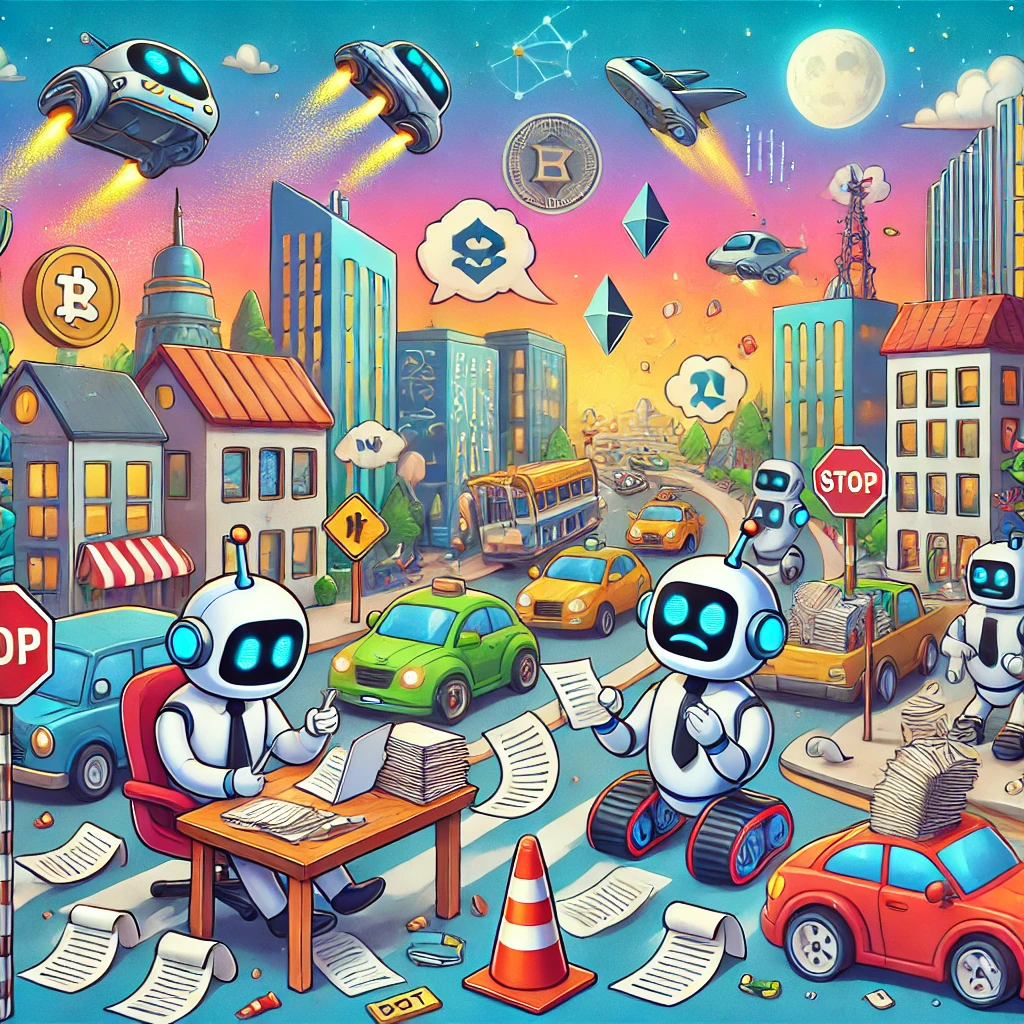
Wasl 2.0: The AI-Powered Future Dubai Needs to Fix Urban Shortcomings

0

Dubai has positioned itself as a global leader in urban innovation, boasting futuristic projects like Wasl Tower, Dubai Sustainable City, and Expo 2020. However, beneath the glamour, several structural inefficiencies hinder the city’s full potential. Despite ongoing advancements, challenges persist in sustainability, inclusivity, governance transparency, efficiency, and corruption risks.

Wasl 2.0, an AI-driven, blockchain-powered city, aims to rectify these shortcomings and set a new benchmark for urban excellence. Below, we analyze the key problems in Dubai’s current development approach and explore how Wasl 2.0 can pioneer transformative solutions.


Problems in Current Dubai City Development

1. Insufficient Sustainability Depth

  • The Problem: Despite initiatives like Dubai Sustainable City and the Mohammed bin Rashid Solar Park, the city’s ecological footprint remains high (7.75 hectares per person in 2023). The reliance on energy-intensive cooling systems, imported resources, and inconsistent waste management weakens true sustainability efforts.
  • Key Facts:
    • Only 10% of waste was recycled by 2015 under the Carbon Abatement Strategy.
    • Large-scale solar adoption remains confined to specific zones.
    • Urban sprawl increases reliance on private vehicles, contradicting green mobility goals.

2. Limited Inclusivity and Community Focus

  • The Problem: While luxury developments cater to wealthy residents and tourists, affordable housing remains scarce for the expatriate majority (85% of Dubai’s population). Public participation in urban planning is also minimal, leading to social fragmentation.
  • Key Facts:
    • Native Emiratis benefit from subsidized suburban housing, while expatriates face high living costs.
    • Many public spaces lack design elements that foster social cohesion.

3. Transparency Gaps in Governance and Business

  • The Problem: Despite digitization efforts like UAE Pass, bureaucratic inefficiencies and opaque decision-making persist. Business setup, property dealings, and government contracts remain vulnerable to favoritism.
  • Key Facts:
    • Business approvals can take weeks due to jurisdictional complexities.
    • Contract disputes often require intermediaries, increasing the risk of corruption.

4. Inefficient Resource and Traffic Management

  • The Problem: Dubai’s urban design remains car-centric, with public transit coverage limited. Older buildings suffer from energy inefficiencies, and smart city technologies (such as AI-driven traffic management) are not fully scaled.
  • Key Facts:
    • Sheikh Zayed Road and major arterial routes experience daily congestion.
    • Retrofitting older buildings for energy efficiency lags behind new regulations.

5. Corruption and Bribery Risks

  • The Problem: While Dubai ranks 21st on Transparency International’s 2023 Corruption Perception Index, anecdotal reports indicate bribery issues in construction permits, labor practices, and contract awards.
  • Key Facts:
    • Opaque tender processes allow personal networks (wasta) to influence decision-making.

6. Technology Integration Shortfalls

  • The Problem: Despite ambitious strategies like the Dubai Blockchain Strategy 2020, full-scale adoption of AI and blockchain for governance, supply chain tracking, and urban planning is inconsistent.
  • Key Facts:
    • Blockchain is primarily used in customs rather than across public services.
    • AI-driven smart systems remain underutilized in managing infrastructure.

Solutions for Wasl 2.0: A Transparent, AI-Driven, Blockchain-Supported City

1. Holistic Sustainability with AI and Green Tech

  • The Solution: AI-powered systems will monitor and optimize energy, water, and waste management in real-time. Wasl 2.0 will mandate 100% renewable energy (solar, wind) and aim for a 50% waste recycling rate.
  • Implementation:
    • AI forecasts peak energy demand to balance solar grid loads.
    • Blockchain tracks waste management to ensure accountability.
    • Construction regulations prohibit non-sustainable materials.

2. Inclusive Urban Design for All Residents

  • The Solution: Wasl 2.0 will feature mixed-use neighborhoods with 20% of housing units designated as affordable. AI-driven platforms will allow residents to participate in city planning.
  • Implementation:
    • Blockchain secures community voting records to promote fair planning.
    • AI studies demographics to create balanced housing models.
    • Walkable neighborhoods and expanded Metro connectivity reduce car dependency.

3. Blockchain for Transparent Governance and Business Setup

  • The Solution: All transactions in Wasl 2.0—including business licenses, property titles, and contracts—will be managed via blockchain, cutting bureaucratic delays and enhancing transparency.
  • Implementation:
    • Smart contracts automate business approvals without human intervention.
    • A decentralized ledger ensures financial transactions remain corruption-free.
    • A unified system extends blockchain to Dubai’s free zones.

4. AI-Driven Efficiency in Resource and Traffic Management

  • The Solution: AI will regulate city-wide traffic flows, optimize energy distribution, and integrate electric vehicle (EV) charging infrastructure.
  • Implementation:
    • Adaptive traffic signals based on AI analysis will reduce congestion.
    • Blockchain-based systems will track and incentivize EV usage.
    • Older districts in Dubai will be retrofitted with smart sensors.

5. Zero Bribery via Blockchain Accountability

  • The Solution: Every financial transaction within Wasl 2.0 will be recorded on an immutable blockchain ledger. AI-based audits will detect anomalies to prevent fraud.
  • Implementation:
    • Blockchain permanently logs all project payments and approvals.
    • AI automatically flags discrepancies in public tenders.
    • Transparency reports expose contract violations, deterring corruption.

6. Full-Scale Tech Integration Across Governance and Infrastructure

  • The Solution: Wasl 2.0 will act as a global testbed for AI and blockchain implementation in urban governance, digital twins for planning, and smart supply chain tracking.
  • Implementation:
    • AI simulations will predict future urban growth to prevent inefficiencies.
    • Blockchain will verify ethical material sourcing in construction.
    • A dedicated training program will equip workers with emerging technology skills.

Why Wasl 2.0 Is the Future Dubai Needs

✔ Sustainability

AI-driven green technology will reduce Dubai’s ecological footprint, aligning with the 2050 Clean Energy Strategy.

✔ Inclusivity

Affordable, mixed-use communities will bridge social gaps, fostering a more cohesive urban environment.

✔ Transparency & Efficiency

Blockchain-based governance will slash bureaucratic costs and eliminate corruption risks, saving billions in lost productivity.

✔ Scalable Innovation

The Wasl 2.0 model can be adapted to retrofit existing developments, transforming Dubai into a fully AI-powered, blockchain-driven city.


Final Thoughts: From Vision to Reality

Wasl 2.0 is not just a conceptual urban model—it is a necessity for Dubai’s next evolutionary leap. By addressing today’s urban shortcomings with AI and blockchain, this next-generation city will redefine sustainability, efficiency, and transparency.

Dubai has the ambition. Now it needs the execution. Wasl 2.0 is that execution.


Disclaimer: This Blog is an Idea, Not an Official Plan

This blog presents a conceptual exploration of ideas and possibilities—it is not an official project, proposal, or affiliated with any entity. The thoughts shared here are purely visionary and serve to spark discussion, innovation, and creative thinking about the future.

Every contribution, big or small, helps us continue researching, writing, and sharing bold ideas that challenge conventional thinking.

If you believe in the power of visionary ideas, support us today!

👉 Click Here to Support