
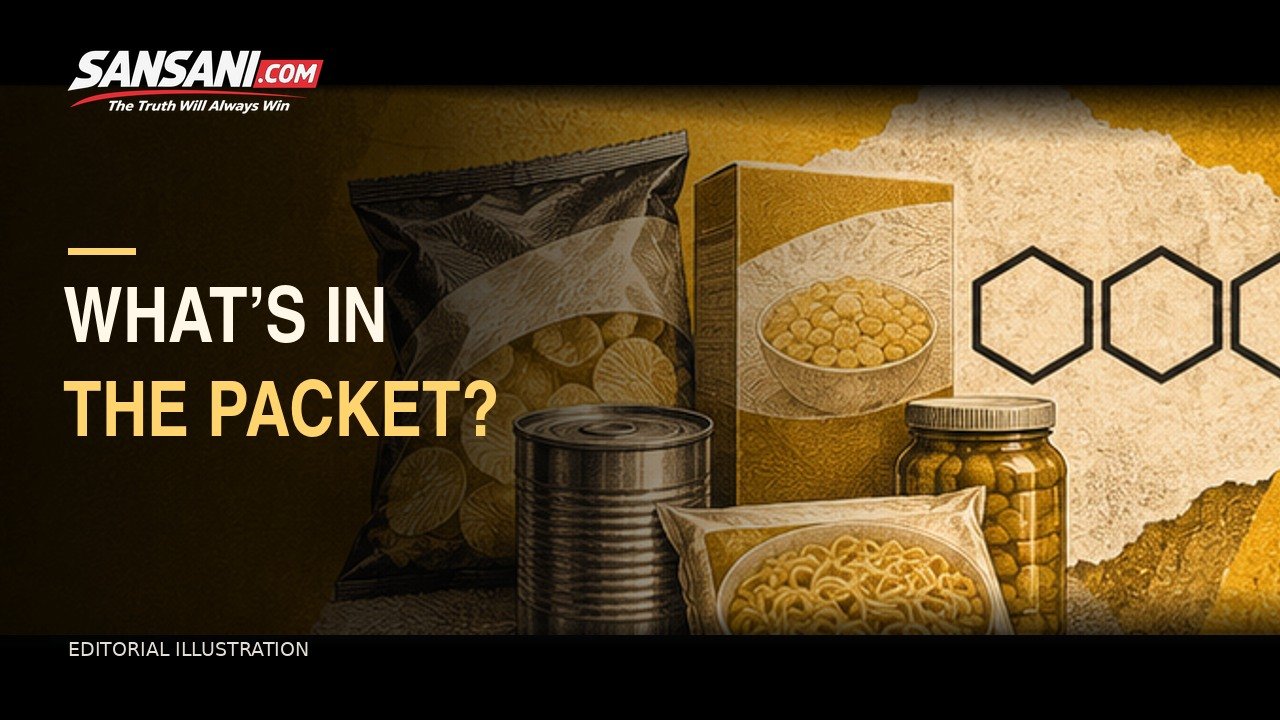
Pick up two packets of the same kind of snack. One says it is baked. The other puts a grain or fruit on the front. Which one contains more salt or sugar per 100 grams? You usually need to turn both around to find out. On 26 November, India’s Supreme Court directed the government and the Food Safety and Standards Authority of India to put clearer warnings on the front of relevant packaged foods.
What did the Supreme Court ask for?
The court directed that each nutrient of concern should have its own hexagonal warning, with a recognised image and words identifying what is high. The reporting describes separate indicators for sugar, saturated fat and salt, with FSSAI asked to revisit the thresholds that determine which foods qualify. A packet above more than one threshold could therefore carry more than one warning. LiveLaw’s report on the directions and Financial Express coverage.
Why does a separate warning make a difference?
Consider a shopper choosing between two soups. If one is high in salt and the other in saturated fat, a single generic warning would force that shopper to read both nutrition panels anyway. Separate symbols would tell them which figure to check. They would also tell the shopper when a single packet exceeds more than one threshold. To work across brands, the symbols would need consistent meaning and placement.
The front label and the back panel answer different questions. A warning says whether the food crosses a set threshold. The nutrition panel can show how far apart two products are and how much a person would consume at their usual portion. Two foods that carry the same warning may still differ substantially in their amounts. A food without a warning could still contain the relevant nutrient below the applicable threshold.
What remains in the regulator’s hands?
The thresholds determine how often shoppers see the warnings and how much the symbols tell them. The final text needs to spell out what is measured, the basis for comparison and how manufacturers should handle different pack sizes. It also needs an implementation timetable. The order is a direction to the government and regulator. The change buyers see on shelves will depend on the rules and their enforcement.
What can you compare on a shelf today?
Use the per-100-gram or per-100-millilitre figures when both packages provide them. This prevents a smaller suggested serving from making one product appear lower in sugar or salt simply because the stated portion is smaller. Then check how much of the package you normally consume. Compare products of the same kind before drawing conclusions about which is the better fit for you.
The next document to watch is FSSAI’s regulatory text. It should tell shoppers exactly what a warning means and when they can expect to see it. A simple test will be whether someone comparing two similar products can identify what each warning refers to while standing in the aisle.


