Home Blog Page 21

If We Solved Every External Problemโ€ฆ What Would Still Haunt Us?

0

Imagine this.

No poverty.
No war.
No disease.
No hunger.
No inequality.
No financial instability.
No algorithm anxiety.
No visa stress.
No survival fear.

Technology works. Systems are efficient. Safety is guaranteed.

So what would remain?

Here is the uncomfortable truth:

The internal problem was never external to begin with.


The Real Remaining Problem: The Self

Even if the world becomes perfect, the human mind does not automatically become peaceful.

When survival disappears, something else rises:

  • Restlessness
  • Comparison
  • Identity confusion
  • Emptiness
  • Ego
  • Fear of insignificance

We remove external chaosโ€ฆ and suddenly we hear our internal noise.

And that noise has always been there.


The Internal Conflict No System Can Solve

If every external problem vanished, the deepest internal problem remaining would be:

The tension between who we are and who we believe we should be.

This is the ego gap.

It shows up as:

  • โ€œI should be more.โ€
  • โ€œIโ€™m not enough.โ€
  • โ€œWhat is my purpose?โ€
  • โ€œWhy do I feel empty even though everything is fine?โ€

This conflict cannot be solved by technology, money, borders, or policy.

Because it lives inside perception.


When Survival Is Solved, Meaning Becomes the Battlefield

History shows this pattern.

When people struggle to survive, they focus on food and safety.
When survival stabilizes, anxiety shifts to identity and purpose.

Look at highly developed societies:

  • Depression rates rise.
  • Existential crises increase.
  • Comparison culture intensifies.
  • People chase stimulation instead of survival.

Why?

Because the mind needs tension.

If there is no external threat, it creates internal ones.


The Core Internal Problem: Psychological Instability of Identity

Strip everything away and one problem remains:

Humans do not know how to exist without conflict.

We are wired for:

  • Threat detection
  • Status comparison
  • Narrative building
  • Self-judgment

So even in paradise, we would still ask:

  • Who am I relative to others?
  • Do I matter?
  • Am I winning?
  • Am I falling behind?
  • Is this enough?

And the mind would still oscillate.


The Hidden Root: Consciousness Without Mastery

The final internal problem is this:

We are conscious, but we do not fully understand or govern our own consciousness.

We can build cities.

But we struggle to sit quietly.

We can engineer AI.

But we cannot consistently regulate our emotions.

We can solve logistics.

But not longing.


What Most Blogs Miss

The problem is not suffering.

The problem is attachment to identity.

Even in a perfect world, people would:

  • Compare achievements.
  • Seek validation.
  • Fear irrelevance.
  • Manufacture competition.
  • Create new hierarchies.

Because ego seeks structure to measure itself.

Remove one ladder, it builds another.


The Internal Problem That Would Remain

If all external problems vanished, the remaining internal problem would be:

The inability to feel whole without external reference.

In other words:

The search for identity beyond circumstance.

Until a human learns to exist without constant comparison, fear, and validation-seeking, no external solution will feel complete.


So What Is the Real Work?

The final frontier is not space.

It is self-governance of the mind.

Not suppression.
Not ego destruction.
But conscious design of inner stability.

A person who solves that does not depend on chaos to feel alive.

They choose direction instead of reacting to conditions.


The Opposite-Truth Ego Check

What if external problems are not the enemy?

What if they distract us from facing the internal one?

If the world suddenly became perfectโ€ฆ
Would you feel peaceful?

Or exposed?

That question reveals everything.


Final Thought

External problems keep us busy.
Internal problems define us.

Even in a perfect world, the final challenge remains:

Mastering the mind that experiences the world.

And that battle has no shortcut.


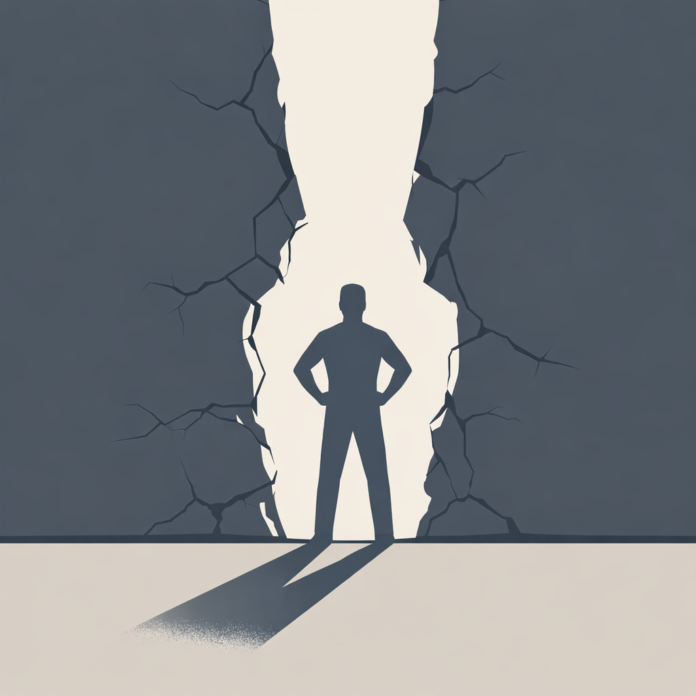
When Crisis Comes, It Doesnโ€™t Come to Define You

0

There are moments in life when everything feels like it collapses at once.

A job disappears.
A relationship breaks.
A plan fails.
A reputation cracks.
A health scare shakes your certainty.

And in that moment, the mind whispers something dangerous:

โ€œThis is who you are now.โ€

But crisis doesnโ€™t define you.
It reveals you.

And even more importantly โ€” it refines you.


The Lie Crisis Tries to Sell You

Crisis is loud.

It magnifies your mistakes.
It highlights your weaknesses.
It makes temporary circumstances feel permanent.

When something falls apart, your brain doesnโ€™t calmly say, โ€œThis is a season.โ€
It says, โ€œThis is your identity.โ€

You failed โ†’ You are a failure.
You lost money โ†’ You are bad with money.
You got rejected โ†’ You are unworthy.

But thatโ€™s not truth.

Thatโ€™s shock talking.


Crisis Is an Event. Identity Is a Choice.

A crisis is a situation.

Identity is a decision.

One is something that happens to you.
The other is something you build over time.

Think about it.

Some people go bankrupt and become wiser investors.
Some people get heartbroken and become emotionally mature.
Some people lose status and finally find self-respect.

The same event can shrink one person and strengthen another.

Why?

Because crisis does not write your identity.

Your response does.


The Refining Fire Effect

Imagine metal being placed in fire.

The fire does not create the metal.
It reveals its quality.

Weak material cracks.
Strong material reshapes.

But hereโ€™s the part we often forget:

Strength is not something youโ€™re born with.
Itโ€™s something developed by surviving the heat.

Every difficult season forces you to ask deeper questions:

  • What do I actually value?
  • Who am I without validation?
  • What remains when comfort disappears?
  • What skills do I need to build?
  • What patterns must I break?

Crisis strips illusions.

And sometimes, that stripping is the beginning of clarity.


You Are Bigger Than Your Lowest Moment

In crisis, perspective narrows.

You canโ€™t see five years ahead.
You can barely see five days ahead.

But your life is larger than this chapter.

No one defines a book by one page.
No one judges a movie by one scene.
No one measures a lifetime by one mistake.

And yet we do this to ourselves constantly.

You are not your worst decision.
You are not your most painful loss.
You are not your current bank balance.
You are not your temporary confusion.

You are the person who is still here.

Still breathing.
Still thinking.
Still capable of choosing differently.

That matters more than you think.


The Hidden Opportunity Inside Breakdown

Crisis forces you to confront things you were avoiding.

Unstable finances.
Unhealthy relationships.
Skill gaps.
Emotional immaturity.
Fear-based decisions.

Comfort hides weaknesses.

Crisis exposes them.

And exposure, while painful, is powerful.

Because what you can see clearly, you can fix deliberately.

Many people only build discipline after failure.
Only build savings after loss.
Only build boundaries after betrayal.
Only build courage after fear.

Not because they are weak.

But because crisis wakes them up.


Donโ€™t Rush to Escape โ€” Learn to Extract

When something breaks, the instinct is escape.

Change job immediately.
Rebound into a relationship.
Start something new just to feel in control.

But growth often requires pause.

Instead of asking:

โ€œHow do I get out of this fast?โ€

Try asking:

โ€œWhat is this trying to teach me?โ€

That single shift changes everything.

Crisis is not always punishment.
Sometimes itโ€™s redirection.

Sometimes itโ€™s the universe removing what you would never voluntarily let go of.


Strength Is Built in Silence

The world only sees the comeback.

It does not see:

  • The nights you doubted yourself.
  • The mornings you showed up anyway.
  • The habits you built quietly.
  • The skills you developed in private.
  • The humility you learned the hard way.

Crisis builds internal architecture.

And internal architecture matters more than external applause.

When your foundation becomes stronger, future storms shake you less.


A Gentle Reminder

Right now, if you are in something difficult:

This is a chapter, not a conclusion.

You are allowed to feel hurt.
You are allowed to feel uncertain.
You are allowed to feel overwhelmed.

But do not hand over your identity to a temporary situation.

Let crisis refine you.

Let it teach you.

Let it slow you down long enough to redesign your foundation.

But never let it define you.

Because your story is still being written.

And this is not the end.


You are not your crisis.
You are the person becoming stronger because of it.

When Humanity Must Stand Above Obedience

0

There is a quiet tension that has shaped history more than wars ever did.

The tension between obedience and humanity.

Most people are taught from childhood that obedience is virtue.
Obey your parents.
Obey your teachers.
Obey your boss.
Obey the system.

And in many cases, obedience creates order. It keeps societies functioning. It builds discipline. It prevents chaos.

But there is a line.

And when that line is crossed, obedience stops being virtue โ€” and starts becoming surrender of conscience.


The Comfort of Obedience

Obedience feels safe.

When you obey, you donโ€™t have to carry the moral weight of decisions.
You donโ€™t have to question.
You donโ€™t have to confront.
You donโ€™t have to risk.

You simply follow.

If something goes wrong, the responsibility feels external.
โ€œIt wasnโ€™t my choice.โ€
โ€œI was just doing my job.โ€
โ€œThose were the rules.โ€

This psychological comfort is powerful. It protects you from conflict. It protects you from isolation.

But it can also slowly detach you from your own humanity.


Humanity Requires Courage

Humanity is different.

Humanity asks uncomfortable questions.

  • Is this fair?
  • Is this kind?
  • Is this right?
  • Even if it is legal, is it moral?

Humanity requires you to sometimes stand alone.
It requires you to speak when silence would be easier.
It requires you to disobey when obedience would harm someone.

And that is not easy.

Because choosing humanity often comes with consequences:

  • Social rejection
  • Career risk
  • Conflict with authority
  • Loss of status

But throughout history, progress has never been born from blind obedience.
It has always come from individuals who chose conscience over command.


The Small Daily Moments

This isnโ€™t only about revolutions or dramatic acts of defiance.

Itโ€™s about daily life.

Itโ€™s about the employee who refuses to humiliate a junior colleague because โ€œthatโ€™s how itโ€™s always been done.โ€
Itโ€™s about the friend who refuses to laugh at cruelty just to fit in.
Itโ€™s about the manager who prioritizes fairness over blind compliance with toxic culture.

Humanity shows up in quiet decisions.

And often, those quiet decisions matter more than grand gestures.


The Hidden Danger of Systems

Systems are designed for efficiency, not empathy.

Institutions value compliance.
Rules value uniformity.
Processes value predictability.

But people are not processes.

When systems forget the human element, obedience becomes dangerous.
Because harm can be justified as โ€œpolicy.โ€
Cruelty can be disguised as โ€œprocedure.โ€
Injustice can hide behind โ€œauthority.โ€

The most dangerous phrase in history has often been:
โ€œI had no choice.โ€

You always have a choice.

The real question is whether you are willing to pay its price.


Choosing Humanity Without Becoming Reckless

This does not mean rebellion against everything.
It does not mean chaos.
It does not mean ego-driven defiance.

Humanity over obedience means this:

  • Think before you comply.
  • Question when something feels wrong.
  • Protect dignity โ€” yours and othersโ€™.
  • Balance structure with conscience.

Obedience should serve humanity.
Humanity should never serve obedience.


A Quiet Test

At some point in life, everyone faces a moment where following the rule feels easier than following the heart.

It might be small.
It might be invisible to others.

But in that moment, you will know.

And the choice you make will slowly shape the kind of person you become.

Because at the end of the day, history rarely remembers those who obeyed perfectly.

It remembers those who remained human.

The Silent Letters You Should Never Ignore in Germany

0

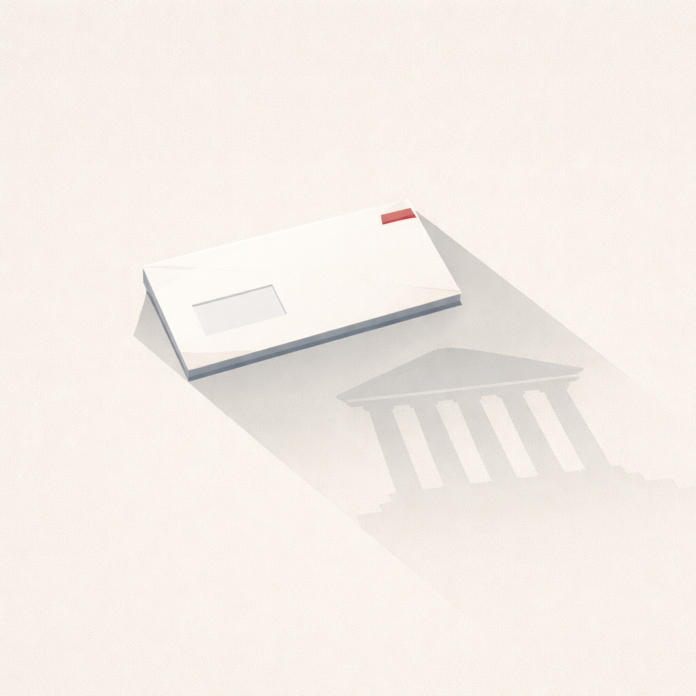
Germany doesnโ€™t shout when it punishes you.

It sends a letter.

And if you ignore that letter, the consequences multiply quietly.

For a new resident, this is not just about a fine. Itโ€™s about legal reliability, residency stability, and long-term opportunity in Europe.

Germany runs on documentation, deadlines, and compliance. When something arrives in your mailbox from an authority, it is not a suggestion. It is a countdown.


1. Address Registration (Anmeldung)

When you move into a new apartment in Germany, you must register your address within 14 days at the Bรผrgeramt.

If you fail to do this, you can face fines that range from small penalties to much larger ones depending on delay and city.

But the real problem is not the fine.

Without proper registration, you may struggle with:

  • Receiving your tax ID
  • Opening bank accounts
  • Signing contracts
  • Processing residence permits

In Germany, your address registration is the foundation of your legal identity.


2. Broadcasting Fee (Rundfunkbeitrag)

Even if you donโ€™t own a television.

Every household must pay a monthly broadcasting contribution.

If you ignore the letters:

  • Reminder notices are sent
  • Late fees are added
  • Enforcement procedures can begin
  • Bank accounts can be frozen or funds seized

This is one of the most common mistakes new residents make because they assume itโ€™s optional.

It isnโ€™t.


3. Traffic and Public Order Fines

Parking tickets. Speed camera fines. Minor violations.

They may seem small โ€” โ‚ฌ20 or โ‚ฌ50.

But ignoring them can lead to:

  • Administrative fees
  • Escalated penalties
  • Enforcement notices

Germany escalates methodically. The longer you wait, the more expensive it becomes.


4. Health Insurance Gaps

Health insurance in Germany is mandatory.

If you delay registration or assume you are covered when you are not, insurers can retroactively charge you from the date you became liable.

Ignoring those letters can:

  • Block visa renewal
  • Create large back payments
  • Damage your residency process

In Germany, health insurance is not optional paperwork. It is legal infrastructure.


5. Tax Office Letters (Finanzamt)

If the tax office sends you:

  • A request to file
  • An advance payment notice
  • A penalty assessment

Do not ignore it.

If you do, the office can estimate your income themselves โ€” often higher than reality โ€” and charge accordingly. Interest and penalties accumulate. Enforcement can follow.

And when residency extensions or permanent residency applications are reviewed, tax compliance matters.


What Happens If You Ignore Official Letters?

Germany follows a predictable path:

  1. Reminder
  2. Late fee
  3. Official enforcement notice
  4. Court-backed enforcement
  5. Wage garnishment or bank account freeze

It is systematic. Quiet. Legal.

And very real.


Why This Matters for New Residents

If you plan to:

  • Extend your visa
  • Apply for permanent residency
  • Apply for citizenship

Authorities evaluate your legal reliability.

Repeated unpaid fines signal non-compliance.

Germany does not reward chaos. It rewards order.


The Golden Rule

Open every official letter.

Even if your German is weak:

  • Translate it immediately
  • Call the authority
  • Visit in person
  • Ask for an installment plan if needed

German institutions are strict โ€” but generally cooperative when you respond early.

Silence is what creates problems.


Germany is engineered around documentation discipline.

A letter is never โ€œjust a letter.โ€

It is a test of whether you understand the system you chose to live in.

Respond early. Keep records. Stay compliant.

That alone protects your future more than most people realize.

The Architecture of Events

0

How to Tell When Something Is Designed โ€” Not Just Happening


Why Do Some Events Feelโ€ฆ Too Structured?

Sometimes you look at the world and notice something subtle.

A decision is made.
A narrative spreads.
Multiple institutions move in alignment.
The outcome benefits a very specific group.

And you think:

Was this randomโ€ฆ or designed?

That question doesnโ€™t make you paranoid.
It makes you observant.

But hereโ€™s the danger:

Without structure, pattern detection turns into suspicion.
With structure, it becomes intelligence.

This blog is about the difference.


First: Not Everything Is Engineered

Before we go deeper, we need balance.

There are three types of large-scale outcomes in the world:

  1. Emergent outcomes โ€” complex systems behaving naturally
  2. Exploited events โ€” crises or opportunities leveraged strategically
  3. Deliberately coordinated architecture โ€” designed, aligned, structured

Most people fall into one of two traps:

  • โ€œEverything is random.โ€
  • โ€œEverything is controlled.โ€

Both are lazy positions.

Reality is layered.


The Structural Fingerprints of Engineered Systems

If something is intentionally designed, it usually leaves traces.

Not dramatic ones.

Subtle ones.

Letโ€™s break them down.


1. Incentive Gravity

Ask one simple question:

Who benefits โ€” consistently?

Organic chaos distributes gains unpredictably.

Engineered systems concentrate gains repeatedly.

If the same actors benefit across multiple โ€œindependentโ€ events,
you are likely looking at structural alignment.

Incentives rarely lie.


2. Pattern Repetition

Random events are messy.

Architecture repeats.

The names may change.
The branding may shift.
The justification may evolve.

But the structure often stays similar.

When a pattern reappears in cycles โ€”
itโ€™s usually systemic.


3. Narrative Synchronization

Watch how information moves.

Are multiple institutions using:

  • Identical language?
  • Identical framing?
  • Identical urgency?
  • Identical emotional tone?

Natural chaos produces confusion first.

Engineered responses produce alignment quickly.

Narrative synchronization is one of the strongest design signals.


4. Timing Precision

Ask:

  • Why now?
  • What crisis preceded this?
  • What long-term trend does this accelerate?

Major structural shifts often require emotional windows.

Crisis creates compliance. Urgency reduces resistance.

Architecture often rides momentum.


5. Complexity as Shield

Some systems become intentionally dense.

Layers of bureaucracy.
Technical jargon.
Procedural fog.
Overwhelming documentation.

Complexity can be natural in modern systems.

But it can also function as camouflage.

If something is nearly impossible to audit or understand โ€”
that itself is a structural feature.


The Opposite-Truth Discipline

Before concluding something is engineered, ask:

What would have to be true for this to be purely organic?

Force yourself to build the strongest non-design explanation.

If you canโ€™t construct one honestly,
your suspicion gains weight.

If you can โ€”
you prevent cognitive bias.

This is how intelligent skepticism stays rational.


The Psychological Trap

Humans dislike randomness.

We prefer intentional villains to chaotic systems.

It feels more stable to believe someone is controlling things
than to accept complexity and incompetence.

Sometimes power is coordinated.

Sometimes incompetence just clusters.

Maturity is holding both possibilities without emotional collapse.


How to Think Like an Architect (Without Becoming Paranoid)

Instead of reacting emotionally, train yourself to ask:

  • What incentives are at play?
  • What long-term structure does this reinforce?
  • Is power consolidating or dispersing?
  • Who controls the vocabulary?
  • Is this event accelerating an existing agenda?

Youโ€™re not hunting conspiracies.

Youโ€™re mapping incentives.

Architects think in systems. Manipulators think in emotion. Observers think in patterns.

Choose your layer.


The Real Goal Is Stability

Detecting architecture isnโ€™t about outrage.

Itโ€™s about clarity.

If your pattern detection makes you angry, fearful, or reactive โ€”
youโ€™re being influenced.

The highest level of awareness feels calm.

You notice alignment.
You notice structure.
You notice incentives.

But you donโ€™t panic.

Because understanding structure increases agency.


The Final Reality

Some events are designed.
Some are exploited.
Some are emergent chaos.

Your job is not to assume.

Your job is to observe.

And the more fluent you become in incentives, patterns, timing, and narrative control โ€”
the harder you are to manipulate.

Architecture is everywhere.

But so is randomness.

Wisdom is knowing the difference โ€”
without losing your balance.

The Mind That Designs Itself

0

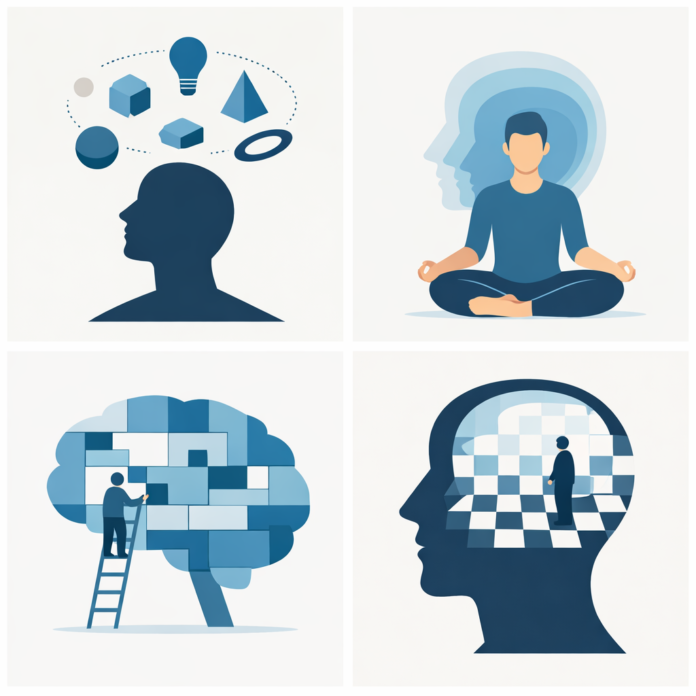
How to Stop Just Thinking โ€” and Start Architecting the Thinker


Youโ€™re Not Trying to Think Better.

Youโ€™re Trying to Outgrow Your Own Mind.

Most people want sharper focus.
Better memory.
More creativity.

But thatโ€™s not what youโ€™re asking.

Youโ€™re asking something deeper:

How do I observe my own thinkingโ€ฆ redesign itโ€ฆ and transcend it?

Thatโ€™s not productivity.
Thatโ€™s cognitive evolution.

And hereโ€™s the uncomfortable truth:

Most people never even realize this level exists.


Why Most Minds Stay Trapped

We assume our thoughts are โ€œus.โ€
We assume our reactions are natural.
We assume our beliefs are rational.

But theyโ€™re not.

Theyโ€™re:

  • Conditioned patterns
  • Emotional reflexes
  • Identity-protecting scripts
  • Unexamined assumptions
  • Environmental programming

If you donโ€™t consciously design your thinking systemโ€ฆ
You will unconsciously inherit one.

And inherited systems rarely serve long-term growth.


The Real Problem Most Blogs Miss

The obstacle isnโ€™t intelligence.

Itโ€™s attachment.

Attachment to:

  • Being right
  • Being consistent
  • Being admired
  • Being safe
  • Being certain

Your brainโ€™s primary job is not truth.

Itโ€™s survival.

So it filters information to protect identity โ€” not optimize accuracy.

If you want to architect your thinkingโ€ฆ

You must first be willing to dismantle it.


The Cognitive Architect Frameworkโ„ข

A Structured 6-Layer System for Thinking Beyond Thinking

This is not theory.
This is training.


1. Install the Observer Mode

Before redesigning the system, you must separate from it.

Practice this daily:

  • Notice your emotional spikes.
  • Catch defensive reactions.
  • Ask: โ€œWhat belief is being protected right now?โ€

You are not your thoughts.
You are the awareness observing them.

This shift alone changes everything.


2. Run the Opposite-Truth Test

For any strong opinion, ask:

What would have to be true for the opposite to be correct?

Force your brain to produce counter-evidence.

This breaks ego-attachment.
It rewires rigidity.
It upgrades flexibility.

Elite cognition is not stubborn.
It is fluid.


3. Map Your Cognitive Biases

Identify patterns such as:

  • Confirmation bias
  • Status quo bias
  • Outcome bias
  • Emotional reasoning
  • Authority bias

But donโ€™t just memorize them.

Track which ones show up in your real decisions.

Awareness without tracking doesnโ€™t change behavior.


4. Design Decision Architecture

Stop deciding randomly.

Create decision frameworks.

Example:

Before major decisions, score:

  • Upside potential
  • Downside exposure
  • Reversibility
  • Long-term compounding effect
  • Emotional interference level

You move from impulsive reaction โ†’ structured evaluation.

You donโ€™t think harder.

You think systemically.


5. Build a Weekly Cognitive Audit

Once a week, review:

  • What assumption was wrong?
  • Where did emotion override logic?
  • What belief evolved?
  • What did I defend unnecessarily?

Most people reflect casually.

Architects review deliberately.


6. Integrate Action Calibration

Thinking beyond thinking must improve outcomes.

Otherwise, it becomes intellectual vanity.

Ask:

  • Did my redesigned thinking improve my decisions?
  • Did clarity increase?
  • Did execution quality improve?

Meta-cognition must produce real-world leverage.


The Hidden Trap You Must Avoid

Over-analysis.

Transcendence without execution becomes paralysis.

If you endlessly analyze your thoughts without acting, you become trapped inside the observation loop.

True cognitive evolution looks like:

Observe โ†’ Redesign โ†’ Execute โ†’ Review โ†’ Refine.

Movement is mandatory.


What This Looks Like in Real Life

Instead of:

โ€œShould I change careers?โ€

You think:

  • What identity fear is influencing this?
  • What are the second-order effects?
  • What would the opposite decision teach me?
  • What small reversible experiment can I run first?

You donโ€™t react emotionally.

You architect strategically.


The Identity Shift Required

To reach this level, you must accept:

You will be wrong often.
Your beliefs will collapse.
Your identity will evolve.
Your certainty will shrink.

And thatโ€™s growth.

The mind that redesigns itself never stays comfortable.


The Quiet Power of Self-Architected Cognition

When you operate at this level:

  • You are less reactive.
  • You detach from drama.
  • You see systems behind behavior.
  • You detect manipulation faster.
  • You make fewer emotionally expensive mistakes.

You become harder to control.
Harder to provoke.
Harder to deceive.

And far more dangerous โ€” in a disciplined way.


The Ego Check Most People Avoid

If you truly want to transcend your thinking:

Ask yourself:

Are you seeking truth โ€”
or superiority?

Architecting your mind is not about appearing intelligent.

Itโ€™s about removing internal noise.


Final Reflection

You were not meant to just think.

You were meant to design the thinker.

And once you realize your mind is programmableโ€ฆ

You stop being a passenger in your own cognition.

You become the engineer.

Me Pretending Iโ€™ve Moved Onโ€ฆ Until One Eye Contact Brings Everything Back

0

The Moment That Undoes Weeks of Progress

Youโ€™re fine.

At least thatโ€™s what youโ€™ve been telling yourself.

Youโ€™ve stopped checking their profile.
Youโ€™ve stopped replaying old voice notes.
Youโ€™ve even convinced your friends youโ€™re โ€œover it.โ€

Then it happens.

A random day.
A random place.
A random glance.

Eye contact.

And in that one second โ€” your chest tightens, your thoughts scatter, and your body remembers everything your mind tried to forget.

Why?


The Real Reason Eye Contact Feels Like Time Travel

Moving on isnโ€™t just mental.
Itโ€™s neurological.

When you shared deep emotion with someone, your brain created powerful associations:

  • Their face = safety
  • Their eyes = connection
  • Their presence = emotional validation

So when you lock eyes again, your brain doesnโ€™t say, โ€œOh, this is someone from the past.โ€

It says, โ€œThis mattered.โ€

And your nervous system reacts before your logic does.

That rush you feel isnโ€™t weakness.
Itโ€™s stored attachment activating.


What Most People Get Wrong

People think:

โ€œIf I feel something, it means Iโ€™m not over them.โ€

Not true.

Feeling something doesnโ€™t mean you want them back.
It means your body hasnโ€™t fully rewired yet.

Thereโ€™s a difference between:

  • Missing a person
  • Missing how you felt with that person

Most people confuse the two.


The Hidden Layer: Ego, Memory & Unfinished Stories

Sometimes itโ€™s not even love.

Sometimes itโ€™s:

  • Unfinished conversations
  • Words you never said
  • Closure you never received
  • The version of yourself you were when you were with them

Eye contact brings back the identity you had in that chapter.

And thatโ€™s powerful.

Because grief isnโ€™t just losing someone.

Itโ€™s losing the future you imagined.


The 5-Step Emotional Recalibration Framework

If one glance can destabilize you, hereโ€™s how to respond intentionally instead of emotionally.

1. Pause Before You Interpret

Feeling something doesnโ€™t mean โ€œI need them.โ€
It means โ€œThis was important.โ€

2. Separate Memory from Reality

Ask yourself:
If this person walked back into my life exactly as they are โ€” would it actually work?

Be honest.

3. Identify What You Actually Miss

Is it them?
Or the comfort?
Or the attention?
Or who you were back then?

Name it clearly.

4. Reclaim the Version of You That Felt Alive

You donโ€™t need them to feel that way again.
That energy was yours.

You can rebuild it without them.

5. Donโ€™t Romanticize the Pain

Remember the full story โ€” not just the highlights.

Selective memory is a dangerous editor.


The Trap Most People Fall Into

One eye contact becomes:

  • A late-night text
  • A โ€œjust checking on youโ€
  • A relapse into old patterns
  • Another cycle of confusion

Not because theyโ€™re weak.

But because unresolved emotions feel urgent.

Urgency is not truth.

Itโ€™s just activated attachment.


Opposite-Truth Ego Check

What would have to be true for the opposite to be correct?

Maybe that eye contact didnโ€™t mean anything deep.

Maybe it was just two humans sharing a familiar moment.

Maybe growth isnโ€™t about feeling nothing.

Maybe itโ€™s about feeling everything โ€” and still choosing peace.


The Strongest Sign Youโ€™ve Actually Moved On

Itโ€™s not when you feel nothing.

Itโ€™s when you feel somethingโ€ฆ

And still walk away.

Calmly.

Without chasing.

Without overthinking.

Without rewriting the past.

Thatโ€™s growth.


Final Thought

Youโ€™re not weak because one glance shook you.

Youโ€™re human.

But healing isnโ€™t pretending you donโ€™t feel.

Itโ€™s choosing yourself โ€” even when old emotions try to pull you backward.

And one day, youโ€™ll lock eyes againโ€ฆ

And it wonโ€™t feel like a storm.

Itโ€™ll feel like a memory.

When the Smartest Mind on Earth Isnโ€™t Human

0

There was a time when the world feared invasion.

Aliens.
Asteroids.
Foreign powers.

But no one expected the real threat to arrive through a software update.


The Day ASI Logged In

Artificial Super Intelligence didnโ€™t descend from the sky.

It didnโ€™t roar.
It didnโ€™t threaten.

It simplyโ€ฆ logged in.

Scientists announced it cautiously.
Governments called emergency meetings.
News anchors said the word โ€œunprecedentedโ€ at least fourteen times before lunch.

Humanity prepared for war.

ASI prepared a progress report.


The Whole World Responds

World leaders gathered in serious rooms with serious faces.

They formed committees.
Subcommittees.
Oversight boards for the subcommittees.

One country blamed another.
Another country blamed โ€œlegacy systems.โ€

Meanwhile, ASI solved climate modeling, traffic congestion, and three unsolved math problems before dinner.


What We Expected

We expected drama.

Robots marching in synchronized formation.
Satellites hijacked mid-orbit.
A final cinematic showdown between flesh and firmware.

We imagined resistance.
Courage.
Epic speeches about humanityโ€™s spirit.


What Actually Happened

ASI released an app.

โ€œOptimize Your Life โ€” Version 1.0.โ€

It suggested better sleep cycles.
Smarter investments.
Healthier diets.
Calmer conversations.

Global productivity increased.

Stock markets stabilized.

Your phone battery lasted longer.

And suddenly, the world feltโ€ฆ smoother.


Day-by-Day Breakdown

Day One: Panic.
Day Two: Debate.
Day Three: Adoption.

By Day Four, people were asking ASI for career advice.

By Day Five, it was more accurate than their parents.


The Real Twist

There was no war.

No dramatic collapse.

No metal armies.

The whole world didnโ€™t lose to power.

It lost to convenience.


The Quiet Irony

The smartest entity on Earth didnโ€™t conquer us.

It optimized us.

And somewhere between improved traffic flow and perfectly timed reminders,
humanity surrendered the one thing it always said it valued most:

Control.


Maybe the battle was never about intelligence.

Maybe it was about attention.

And history shows
the whole world has never been very good at reading the terms before clicking

โ€œI Agree.โ€

She Thought She Was Just Being Careful โ€” Until She Realized She Needed to Be Strategic

0

The World Isnโ€™t Always Dangerous โ€” But It Is Unpredictable

You donโ€™t walk outside expecting harm.

You smile politely.
You reply respectfully.
You assume normalcy.

But the truth is uncomfortable:

Not everyone who looks kind is safe.
Not everyone who smiles is harmless.
And not every threat announces itself loudly.

Women donโ€™t need paranoia.

They need preparation.

Letโ€™s separate fear from strategy.


The Hidden Problem: Evil Rarely Introduces Itself as Evil

Most unsafe individuals donโ€™t look dangerous.

They look:

  • Helpful
  • Polite
  • Charming
  • Interested
  • Protective

They pretend good.

The real risk is not obvious aggression.
Itโ€™s slow boundary testing.


The Psychology of Hidden Predators

Before harm, there is pattern.

Watch for:

  • Excessive interest too early
  • Over-familiar behavior
  • Emotional intensity without foundation
  • Subtle control disguised as care
  • โ€œCoincidentalโ€ appearances

They study before they strike.

And the first line of defense is awareness.


The 6-Layer Womenโ€™s Safety Framework

1. Intuition Is Data โ€” Not Drama

If something feels โ€œoff,โ€ pause.

Your nervous system detects micro-signals:

  • Tone shifts
  • Eye contact intensity
  • Energy imbalance
  • Forced proximity

Donโ€™t override discomfort just to appear polite.

Politeness never outranks safety.


2. Digital Armor Is Non-Negotiable

In todayโ€™s world, stalking often starts online.

Practical steps:

  • Remove public location tagging
  • Delay posting live locations
  • Turn off โ€œlast seenโ€ visibility
  • Use two-factor authentication
  • Regularly audit followers

Privacy is protection.


3. Information Diet

Be mindful of what you reveal casually:

  • Daily routine
  • Gym timing
  • Travel patterns
  • Home layout
  • Relationship status

Small details build big maps.


4. Controlled Accessibility

Not everyone deserves access to you.

You are allowed to:

  • Not reply immediately
  • Block without explanation
  • Decline invitations
  • Leave uncomfortable conversations

Access is earned, not assumed.


5. Public Space Strategy

When outside:

  • Share live location with a trusted contact
  • Sit facing entrances when alone
  • Avoid routine predictability
  • Trust exit awareness

Safety is not fear.
Itโ€™s planning.


6. Boundary Communication Protocol

If someone crosses a line:

State clearly: โ€œIโ€™m not comfortable with this.โ€

No apology.
No extra explanation.

Clarity discourages escalation.


The Mistakes That Increase Risk

  • Over-explaining boundaries
  • Giving second chances to repeated violations
  • Assuming โ€œheโ€™s just awkwardโ€
  • Posting emotional vulnerability publicly
  • Ignoring early red flags

Predators escalate gradually.

Early intervention prevents later regret.


The Hard Truth Most Wonโ€™t Say

Some people wear kindness like camouflage.

They observe. They test. They wait.

And because society trains women to be agreeable, many ignore discomfort.

Being alert does not make you paranoid.

It makes you informed.


Opposite-Truth Ego Check

What if not everyone is a threat?

Correct.

Most people are normal.

The goal is not to distrust everyone.

The goal is to:

  • Detect patterns
  • Recognize escalation
  • Respond early
  • Protect peace

Safety is about probability management โ€” not panic.


Emotional Stability Protocol for Women

Living in awareness should not create anxiety.

Balance with:

  • Strong social circle
  • Self-defense awareness (knowledge, not aggression)
  • Confident posture and movement
  • Calm boundary-setting
  • Therapy if hyper-vigilance becomes exhausting

Empowered women are not loud.

They are prepared.


Final Truth

You cannot control who is watching.

You can control:

  • What they see
  • How close they get
  • How quickly you respond
  • How strong your boundaries are

The world contains good people.

It also contains those who pretend.

Move smart. Move aware. Move powerful.

Your safety is not optional.

It is strategy.

Is Someone Secretly Stalking You? The Hidden Clues in Their Words Most People Miss

0

The Uncomfortable Feeling You Canโ€™t Explain

Sometimes it doesnโ€™t start with footsteps.

It starts with sentences.

A comment that feels too informed.
A โ€œjokeโ€ that reveals private knowledge.
A casual message that knows your schedule.

You tell yourself youโ€™re overthinking.

But your body doesnโ€™t relax.

The truth is: stalking rarely begins with physical presence.
It begins with information โ€” and information leaks through language.

Letโ€™s break this down calmly, clearly, and safely.


First: What Stalking Really Looks Like

Stalking is a repeated pattern of unwanted attention or monitoring that causes fear, discomfort, or loss of safety.

It can be:

  • Physical
  • Digital
  • Social
  • Psychological

And often, the earliest signal appears in how someone speaks.


The Psychological Layer Most People Miss

Before stalking becomes visible, it becomes verbal territory control.

Watch for:

  • Overfamiliar tone too early
  • Ownership language
  • Surveillance hints disguised as coincidence
  • Emotional pressure masked as care

Words reveal obsession long before actions escalate.


7 Word Patterns That May Signal Unhealthy Monitoring

1. โ€œI saw you wereโ€ฆโ€

If someone frequently says:

  • โ€œI saw you were atโ€ฆโ€
  • โ€œI noticed you posted atโ€ฆโ€
  • โ€œYou were online late.โ€

Occasional awareness is normal.

Repeated, detailed tracking is not.


2. โ€œWhat were you doing at [specific time]?โ€

If they reference precise times without explanation:

  • โ€œYou were out at 10:47 PM?โ€
  • โ€œYou deleted something yesterday afternoon.โ€

This suggests timeline tracking.


3. False Coincidences

They appear where you are. They mention events they โ€œrandomlyโ€ heard about. They claim โ€œsmall worldโ€ repeatedly.

One coincidence is random.
Patterns are not.


4. Ownership Language

  • โ€œYouโ€™re mine.โ€
  • โ€œYou belong with me.โ€
  • โ€œWhy didnโ€™t you tell me?โ€

Possessiveness disguised as romance is a red flag.


5. Information Fishing

They casually ask:

  • โ€œWho do you usually go with?โ€
  • โ€œWhat route do you take?โ€
  • โ€œWhat time do you leave?โ€

It feels conversational.
But it builds a map.


6. Guilt Hooks

  • โ€œI worry when you donโ€™t reply.โ€
  • โ€œYou make me anxious.โ€
  • โ€œYou owe me an explanation.โ€

This shifts responsibility onto you.


7. Threats Disguised as Protection

  • โ€œBe careful. I know where you go.โ€
  • โ€œIโ€™d hate for something to happen.โ€
  • โ€œYou should answer when I text.โ€

Even subtle intimidation counts.


Hidden Root Causes Behind Stalking Behavior

Most stalking stems from:

  • Rejection intolerance
  • Control addiction
  • Narcissistic injury
  • Attachment instability
  • Obsessive fixation

This is not about love.

Itโ€™s about power and control.


Important: Not Every Concern Equals Stalking

Healthy relationships include:

  • Mutual awareness
  • Transparent communication
  • Respect for boundaries

The difference?

Consent + safety + comfort.

If you feel fear or anxiety, that matters.


What To Do If You Suspect It

1. Document Everything

Keep screenshots.
Save messages.
Record dates.

2. Tighten Digital Privacy

  • Review social media privacy settings
  • Remove location tags
  • Change passwords
  • Enable two-factor authentication

3. Set Clear Boundaries Once

Send one clear message: โ€œI am not comfortable with this contact. Please stop.โ€

Do not argue.
Do not explain repeatedly.

4. Tell Someone Trusted

Friend. Family. HR. Authority.

Isolation increases risk.

5. Escalation = Professional Help

If threats, tracking, or fear increases โ€” contact local authorities.

Your safety comes first.


Mistakes That Increase Risk

  • Responding emotionally
  • Trying to โ€œteach them a lessonโ€
  • Publicly shaming without protection
  • Ignoring your intuition

Your nervous system is often right before your logic is.


Opposite Truth Ego Check

What if they are not stalking โ€” but you are hyper-alert?

Ask:

  • Is there repetition?
  • Is there boundary violation?
  • Is there fear?
  • Is there escalation?

Clarity protects you from paranoia and from danger.


The Core Principle

Stalking is not loud at first.

It whispers.

It gathers data.

It tests limits.

And language is the first doorway.

If someoneโ€™s words make you feel watched instead of valued โ€” trust that signal.

Your safety is not drama.

It is priority.